
Listen to this Post
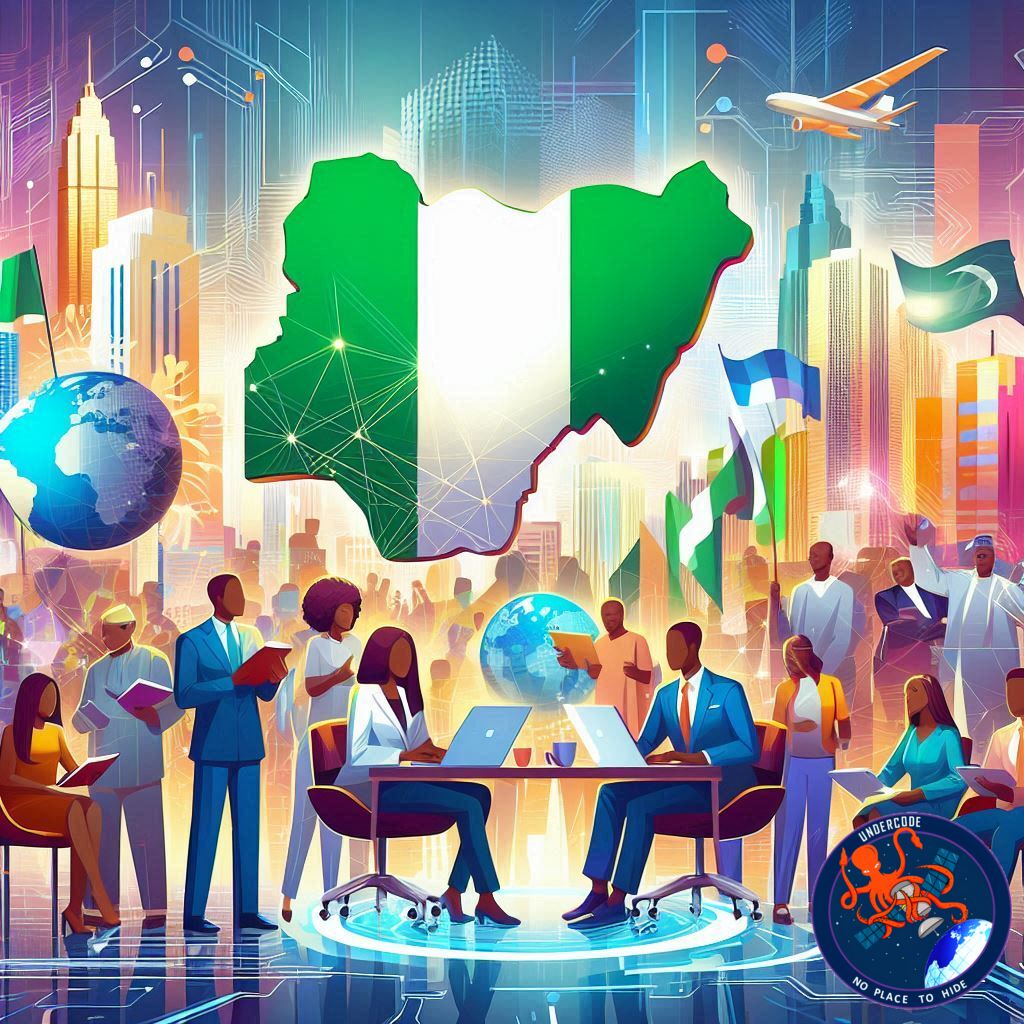
Nigeria is accelerating its march toward a digital future with renewed focus and legislative action. On Tuesday, the National Digital Economy and E-Governance Bill 2025 was presented as a pivotal framework to propel the country into the global digital arena. The bill, hailed as a “critical enabler” by Kashifu Inuwa Abdullahi, Director General of the National Information Technology Development Agency (NITDA), signals Nigeria’s intent to harness technology to drive innovation, transparency, and inclusive economic growth.
At a one-day public hearing at the Senate New Building, National Assembly Complex in Abuja, Inuwa emphasized the urgent need for Nigeria to keep pace with the rapidly evolving global digital landscape. “Digital technology is reshaping economies and societies. If Nigeria is to harness its full benefits, we must build a strong, forward-looking framework,” he stated, highlighting the importance of legal and institutional support to ensure sustainable digital development. The hearing, chaired by Senator Shuaib Afolabi Salisu of the Senate Committee on ICT and Cybersecurity, with Honourable Adedeji Stanley Olajide of the House Committee on ICT and Cybersecurity co-presiding, brought together key stakeholders to discuss the strategic implications of the bill.
Inuwa praised the National Assembly for their foresight in advancing legislation that promises to underpin Nigeria’s digital transformation. By establishing clear governance structures and regulatory frameworks, the bill is expected to enhance public trust, improve service delivery, and position Nigeria as a competitive player in the global digital economy. Beyond legislative intent, this move reflects a broader commitment to embedding digital innovation across public and private sectors, fostering an environment where technology-driven growth can flourish.
The National Digital Economy and E-Governance Bill 2025 aims to address key challenges, including regulatory bottlenecks, fragmented digital policies, and the need for greater cybersecurity measures. If successfully implemented, it will provide a comprehensive legal foundation to support emerging technologies, incentivize private sector participation, and streamline government digital services. The proposed framework is seen as a strategic pivot toward more efficient, transparent, and technologically inclusive governance, potentially transforming Nigeria’s economic landscape while encouraging foreign investment.
What Undercode Say:
Nigeria’s adoption of the National Digital Economy and E-Governance Bill 2025 is more than a legislative formality—it is a decisive strategic maneuver in the global technology race. The timing is crucial; global markets are increasingly digital, and countries that lag risk being sidelined in innovation, investment, and talent acquisition. By codifying digital governance, Nigeria is setting a benchmark for other African nations to follow.
The bill’s emphasis on transparency and trust is particularly noteworthy. In a country where bureaucratic inefficiencies and corruption have historically hindered economic progress, a legally backed digital framework could radically change public perception and service reliability. Strong digital governance could also accelerate adoption of e-services across sectors such as healthcare, finance, and education, driving measurable socio-economic impact.
Additionally, the legislative focus on inclusivity is critical. By creating frameworks that encourage broad participation—both geographically and socially—Nigeria can ensure that digital transformation benefits not only urban centers but also rural communities. The potential for AI, fintech, and smart infrastructure development under this framework is enormous, potentially creating millions of jobs while positioning Nigeria as a continental hub for technology and innovation.
However, success will depend on execution. Legal frameworks alone are insufficient without robust enforcement, skilled personnel, and strategic public-private partnerships. There is also a need for ongoing evaluation to adapt to technological evolution, cybersecurity threats, and global policy trends. A dynamic, adaptive approach to digital governance will be essential if Nigeria is to truly leverage the bill as a catalyst for long-term growth and global competitiveness.
The bill also positions Nigeria to attract foreign direct investment in the technology sector. Investors increasingly seek regulatory clarity, predictable legal frameworks, and reliable digital infrastructure—areas that the bill directly addresses. With proper implementation, Nigeria could emerge as a preferred destination for tech startups, multinational companies, and innovation-driven enterprises.
From an educational perspective, the bill could drive a digital skills revolution. By promoting tech literacy, coding programs, and digital entrepreneurship, Nigeria can develop a workforce capable of thriving in a knowledge-based economy. This focus on human capital is as vital as infrastructure, ensuring that technological growth translates into tangible societal benefits.
In essence, the National Digital Economy and E-Governance Bill 2025 represents a multi-dimensional strategy: it is legal, economic, technological, and social. Its success could redefine Nigeria’s role in global digital commerce, regional technology leadership, and citizen-centric governance. Yet, the path ahead requires careful execution, continuous monitoring, and alignment with international best practices to avoid pitfalls seen in similar initiatives worldwide.
🔍 Fact Checker Results:
✅ The National Digital Economy and E-Governance Bill 2025 was presented to the Nigerian National Assembly.
✅ Kashifu Inuwa Abdullahi emphasized the importance of digital governance for economic growth.
❌ There is no official guarantee that the bill’s passage will immediately solve all digital infrastructure challenges.
📊 Prediction:
Nigeria is poised for a digital transformation surge. With effective implementation, we can expect increased e-governance adoption, foreign tech investments, and growth in digital startups. Within five years, Nigeria could become a leading tech hub in Africa, with widespread public services increasingly digitalized and more equitable access to technology-driven opportunities. 🌐💡📈
🕵️📝✔️Let’s dive deep and fact‑check.
References:
Reported By: www.channelstv.com
Extra Source Hub (Possible Sources for article):
https://www.reddit.com
Wikipedia
OpenAi & Undercode AI
Image Source:
Unsplash
Undercode AI DI v2
Bing
🔐JOIN OUR CYBER WORLD [ CVE News • HackMonitor • UndercodeNews ]
📢 Follow UndercodeNews & Stay Tuned:
𝕏 formerly Twitter 🐦 | @ Threads | 🔗 Linkedin | 🦋BlueSky | 🐘Mastodon


