
Listen to this Post
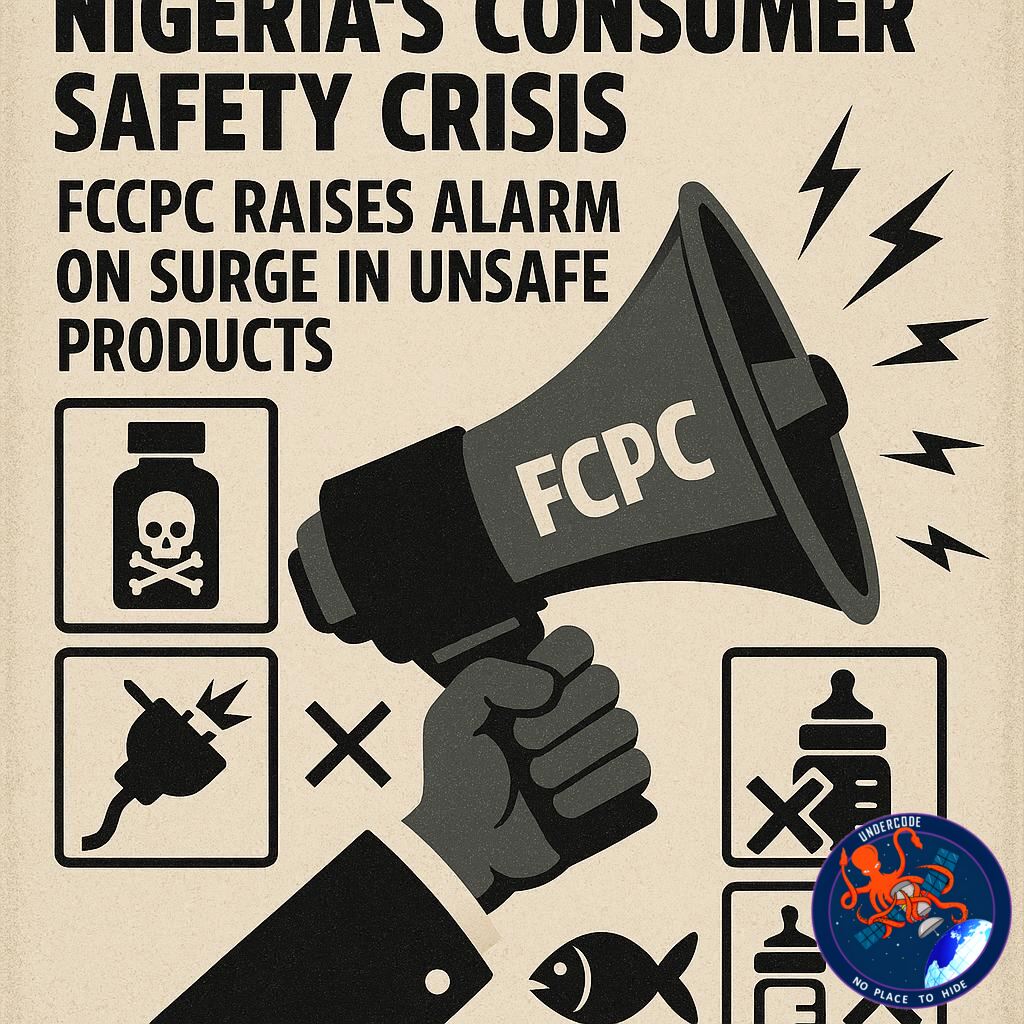
Introduction: A Market Under Pressure
Nigeria’s consumer protection landscape is facing a growing challenge as unsafe and substandard products continue to flood the market. From poorly labeled goods to outright hazardous items, the issue is no longer isolated, it is systemic. The Federal Competition and Consumer Protection Commission (FCCPC) is now sounding the alarm, warning that this trend is not only eroding trust among consumers but also threatening the broader economic structure. As confidence declines, both buyers and legitimate businesses find themselves navigating an increasingly uncertain marketplace.
Summary of the Original Report
The Federal Competition and Consumer Protection Commission (FCCPC) has raised serious concerns about the rising circulation of unsafe and substandard goods across Nigerian markets. This warning was issued during the 2026 World Consumer Rights Day celebration alongside the 9th National Consumers Contest Awards in Abuja. Representing the Commission’s leadership, Director of Surveillance and Investigation Bola Adeyinka spoke on behalf of Executive Vice Chairman Tunji Bello, highlighting the growing prevalence of products that fail to meet minimum safety and quality standards.
According to the FCCPC, these problematic goods range from poorly labeled items to outright unsafe products, often accompanied by misleading claims from manufacturers and distributors. The Commission emphasized that such practices are not only unethical but also harmful to consumer trust and safety. Increasing doubts about product integrity are already influencing purchasing behavior, with consumers becoming more cautious and skeptical.
The agency further explained that the impact extends beyond individual buyers. Unsafe products disrupt the economic ecosystem by discouraging investment, distorting competition, and reducing market efficiency. Businesses that comply with regulations are placed at a disadvantage, while those ignoring standards gain unfair market access. This imbalance undermines the integrity of the entire system.
The FCCPC identified several root causes behind the issue, including weak internal controls within companies, a lack of compliance culture, and in some cases, deliberate violations of established regulations. To combat this, the Commission reaffirmed its commitment to stricter enforcement measures under the Federal Competition and Consumer Protection Act of 2018.
As part of its strategy, the FCCPC plans to intensify market surveillance, expand product testing, and enforce recalls for any goods found to pose risks. Companies are legally required to ensure their products are safe, durable, and fit for purpose. Failure to comply could result in sanctions or forced withdrawals from the market.
In addition, the Commission is strengthening collaborations with key regulatory bodies such as the Standards Organisation of Nigeria and the National Agency for Food and Drug Administration and Control. These partnerships aim to improve information sharing, coordinate enforcement efforts, and close regulatory gaps that allow unsafe products to circulate.
The FCCPC also clarified its position on pricing, noting that while it does not regulate prices, it remains focused on preventing unfair practices that harm consumers. Businesses were urged to prioritize safety at every stage, from production to distribution, while consumers were encouraged to stay vigilant by checking product labels and reporting suspicious goods.
The importance of consumer education was also highlighted. The Commission stressed that informed consumers play a critical role in maintaining safer markets. Participants in the National Consumers Contest were praised as future advocates for responsible consumption.
In a related development, the FCCPC updated its register of approved digital loan applications, removing those that failed to comply with the 2025 regulations governing online lending. This move was part of a broader effort to protect consumers, ensure fair competition, and strengthen discipline across the market.
What Undercode Say:
The FCCPC’s warning reflects a deeper structural issue that goes beyond simple regulatory lapses. At its core, this is a trust crisis. When consumers begin to question whether everyday products are safe, the ripple effects extend into every layer of the economy. Spending behavior changes, brand loyalty weakens, and informal markets often gain traction as people look for alternatives they perceive as more reliable.
One of the most concerning elements is the normalization of substandard goods. When enforcement is inconsistent, businesses that cut corners can thrive, creating a race to the bottom. Legitimate companies that invest in quality assurance and compliance find themselves competing against cheaper, unsafe alternatives. Over time, this discourages ethical business practices and reduces overall market standards.
Another key factor is the global nature of supply chains. Nigeria, like many emerging economies, imports a significant portion of its goods. Without strong inspection systems at entry points, substandard products can easily penetrate the market. This makes inter-agency collaboration not just beneficial but essential. The FCCPC’s partnership with regulatory bodies is a step in the right direction, but execution will determine its effectiveness.
Technology also plays a dual role in this scenario. On one hand, it enables better tracking, testing, and reporting of unsafe goods. On the other, it facilitates the rapid spread of counterfeit and substandard products through online marketplaces. The mention of digital loan app enforcement signals that the FCCPC understands the broader digital risk landscape, but similar attention must be applied to e-commerce platforms where unsafe products can scale quickly.
Consumer awareness is often underestimated in regulatory frameworks. Educated consumers act as an informal layer of enforcement. When people know how to identify fake or unsafe products, they reduce demand for such goods. However, awareness campaigns must be continuous and accessible, especially in regions where literacy or access to information is limited.
There is also a political and economic dimension. Strong enforcement can sometimes face resistance from powerful stakeholders who benefit from weak regulation. This is where institutional independence becomes critical. The FCCPC must maintain transparency and consistency in its actions to build credibility both domestically and internationally.
From an investment perspective, market integrity is non-negotiable. Foreign investors look for stable environments where rules are enforced fairly. A market flooded with unsafe goods signals regulatory weakness, which can deter long-term investment. Therefore, addressing this issue is not just about consumer protection, it is about economic competitiveness.
Ultimately, the FCCPC’s stance is a necessary intervention, but it must evolve into sustained action. Short-term crackdowns will not solve a systemic problem. What is required is a long-term shift in business culture, regulatory enforcement, and consumer behavior. Without that, the cycle of unsafe products entering the market will continue.
Fact Checker Results
✅ The FCCPC did issue warnings about unsafe and substandard products in Nigeria.
✅ Collaboration with agencies like NAFDAC and SON is accurately reported.
❌ No quantified data was provided in the original report to measure the exact scale of unsafe goods.
Prediction
The FCCPC is likely to intensify nationwide enforcement campaigns, leading to more frequent product recalls and sanctions. ⚠️
Digital monitoring tools and AI-driven surveillance may be introduced to track unsafe goods more efficiently. 🤖
Consumer awareness campaigns will expand, potentially making buyers more cautious and reshaping purchasing habits. 📊
🕵️📝✔️Let’s dive deep and fact‑check.
References:
Reported By: www.legit.ng
Extra Source Hub (Possible Sources for article):
https://www.reddit.com
Wikipedia
OpenAi & Undercode AI
Image Source:
Unsplash
Undercode AI DI v2
Bing
🔐JOIN OUR CYBER WORLD [ CVE News • HackMonitor • UndercodeNews ]
📢 Follow UndercodeNews & Stay Tuned:
𝕏 formerly Twitter 🐦 | @ Threads | 🔗 Linkedin | 🦋BlueSky | 🐘Mastodon


