
Listen to this Post
Introduction: A Global Brand Faces a New Digital Threat
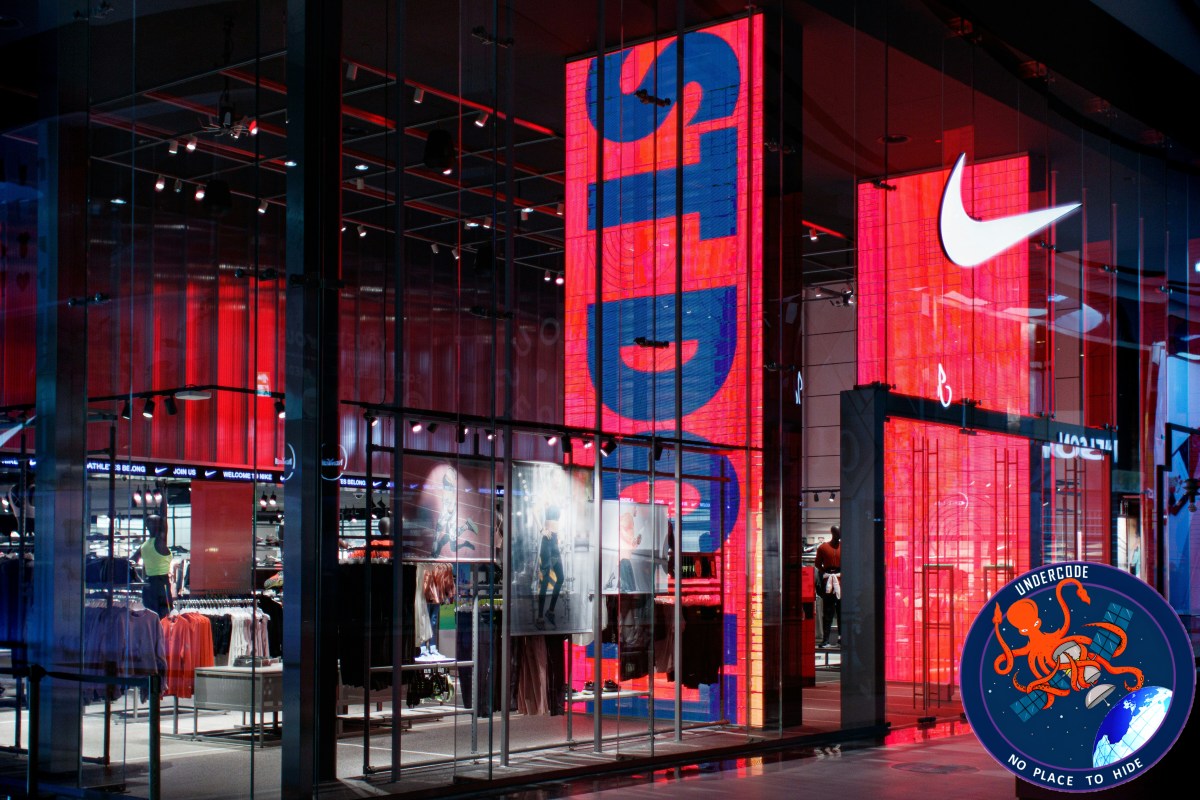
Nike, one of the world’s most recognizable consumer brands, is now confronting a serious cybersecurity challenge after a ransomware-linked group publicly claimed responsibility for a massive data breach. The incident highlights how even the most mature global enterprises remain exposed to evolving cyber-extortion tactics, particularly as ransomware groups shift from encryption to pure data theft and public pressure. While Nike has not confirmed that customer or internal data was compromised, the appearance of the company’s name on a dark-web leak site has raised questions across the cybersecurity community, investor circles, and supply-chain partners. This situation reflects a broader trend: cybercriminals increasingly target high-profile brands not just for ransom, but for leverage, visibility, and reputational impact.
Summary of the Original Report: What Is Known So Far
According to public reporting, Nike is currently investigating what it describes as a “potential cybersecurity incident” following claims made by the World Leaks ransomware group. The threat actor alleged that it had stolen approximately 1.4 terabytes of data from Nike’s internal systems, amounting to nearly 190,000 files. These files were said to contain corporate information related to Nike’s business operations, though no verified breakdown of the data has been made public.
World Leaks briefly added Nike to its dark-web data-leak portal, a common tactic used by extortion groups to pressure victims into negotiations. However, before the report was published, the Nike listing was removed from the leak site. This sudden removal suggested one of two scenarios: either negotiations were underway, or Nike may have already reached an agreement to prevent public disclosure. Despite these developments, Nike has not confirmed any ransom payment or validated the attackers’ claims.
BleepingComputer, which first reported on the incident, stated it could not independently verify the authenticity of the allegedly stolen files. This uncertainty leaves open the possibility that the data may be exaggerated, incomplete, or strategically misrepresented to increase pressure on the victim.
The World Leaks group is believed to be a rebrand of Hunters International, a ransomware operation that emerged in late 2023. Hunters International itself was previously suspected of being linked to the defunct Hive ransomware group due to similarities in code and operational patterns. In January 2025, Hunters International reportedly shifted away from traditional file-encryption ransomware, citing increased legal risks and declining profitability. The group instead adopted a data-theft-and-extortion-only model, reemerging under the World Leaks name.
Historically, Hunters International claimed responsibility for more than 280 attacks across public and private sectors. Its list of alleged victims includes major organizations such as the U.S. Marshals Service, Tata Technologies, Hoya, AutoCanada, and defense contractor Austal USA. Since rebranding, World Leaks has published data from dozens of organizations worldwide.
In mid-2025, affiliates linked to World Leaks were also associated with breaches involving Dell product demonstration platforms and the exploitation of end-of-life SonicWall SMA 100 appliances. These attacks involved deploying a custom rootkit known as OVERSTEP, further demonstrating the group’s technical capability and willingness to target neglected infrastructure.
Overall, the Nike incident remains unresolved, with limited verified facts but significant implications for enterprise cybersecurity, ransomware economics, and the future of brand-focused cyber extortion.
What Undercode Say: The Strategic Meaning Behind the Nike Incident
A High-Value Brand as a Psychological Target
From Undercode’s perspective, Nike’s brand value is itself part of the attack surface. Cybercriminal groups increasingly target companies whose reputations are tightly linked to consumer trust and global visibility. The threat of leaked internal documents can be as damaging as operational downtime, making brand-centric organizations prime candidates for data-only extortion campaigns.
The Shift Away From Encryption Is Not a Coincidence
World Leaks’ alleged evolution away from encryption reflects a broader industry trend. Encryption-based ransomware triggers rapid law-enforcement attention, insurance complications, and public disclosures. Data theft, by contrast, offers attackers more flexibility, lower operational risk, and prolonged leverage through selective leaks or quiet negotiations.
Leak Removal Often Signals Negotiation, Not Resolution
The temporary removal of Nike’s listing from the leak site should not be interpreted as closure. In many past incidents, similar removals have preceded private negotiations, delayed disclosures, or partial settlements. Silence from the victim does not necessarily mean the threat has disappeared.
Verification Gaps Are a Strategic Tool
The lack of independently verified data samples benefits attackers. By keeping details vague, threat actors can inflate perceived impact while minimizing their own exposure. This ambiguity forces companies into defensive postures even when the actual data value is unclear.
Supply Chains Are the Hidden Risk Layer
Even if customer data is unaffected, corporate files often include supplier contracts, manufacturing data, logistics details, or internal forecasts. For a company like Nike, whose global supply chain spans multiple regions, such data could be valuable to competitors or nation-state actors.
Rebrands Complicate Attribution and Defense
The repeated rebranding from Hive to Hunters International to World Leaks illustrates how threat actors adapt to law-enforcement pressure. Each new identity resets reputational tracking, complicates sanctions, and slows intelligence correlation across incidents.
Legacy Infrastructure Remains a Common Entry Point
The group’s prior exploitation of end-of-life SonicWall devices reinforces a persistent lesson: unsupported systems are low-hanging fruit. Even highly resourced enterprises can overlook peripheral infrastructure, which attackers actively scan for weaknesses.
Public Statements Are Carefully Calibrated
Nike’s response emphasized consumer privacy and ongoing investigation, a standard but deliberate approach. Such language avoids confirming breach scope while signaling regulatory awareness. This balance is crucial in jurisdictions with strict disclosure and data-protection laws.
Data Volume Claims Should Be Treated Cautiously
Claims of “1.4 TB” often sound alarming, but volume does not equal sensitivity. Attackers frequently include redundant files, system logs, or outdated archives to inflate numbers. The true risk depends on content, not size.
Ransomware Economics Are Changing Fast
As enforcement increases and payments decline, ransomware groups are experimenting with new pressure models. Data-only extortion, timed leaks, and media amplification are becoming central to their business strategies.
Brand Silence Can Be a Tactical Choice
Companies sometimes choose limited disclosure to avoid escalating panic, stock volatility, or copycat attacks. However, prolonged silence can also fuel speculation, making transparency timing a delicate strategic decision.
The Nike Case Reflects a Broader Corporate Reality
This incident is less about Nike specifically and more about the environment global enterprises now operate in. Cyber extortion is no longer an IT issue alone; it is a board-level risk tied to reputation, legal exposure, and long-term trust.
Expect More Consumer-Facing Companies to Be Targeted
As attackers refine their tactics, consumer brands with strong identities and global reach will remain attractive. The psychological leverage of public trust is simply too valuable for extortion groups to ignore.
Fact Checker Results
Verification Status of the Data Theft Claims
✅ Nike has publicly confirmed it is investigating a potential cybersecurity incident.
❌ No independent verification exists confirming that 1.4 TB of legitimate Nike data was stolen.
✅ World Leaks’ links to Hunters International align with previously observed threat-actor behavior.
Prediction
What Likely Comes Next for Nike and Similar Brands
🔍 Increased internal audits and third-party forensic investigations across global systems.
⚠️ A continued rise in data-only ransomware campaigns targeting consumer brands.
📉 Gradual decline of traditional encryption ransomware in favor of extortion-centric models.
🕵️📝✔️Let’s dive deep and fact‑check.
References:
Reported By: www.bleepingcomputer.com
Extra Source Hub (Possible Sources for article):
https://www.quora.com/topic/Technology
Wikipedia
OpenAi & Undercode AI
Image Source:
Unsplash
Undercode AI DI v2
Bing
🔐JOIN OUR CYBER WORLD [ CVE News • HackMonitor • UndercodeNews ]
📢 Follow UndercodeNews & Stay Tuned:
𝕏 formerly Twitter 🐦 | @ Threads | 🔗 Linkedin | 🦋BlueSky | 🐘Mastodon


