
Listen to this Post
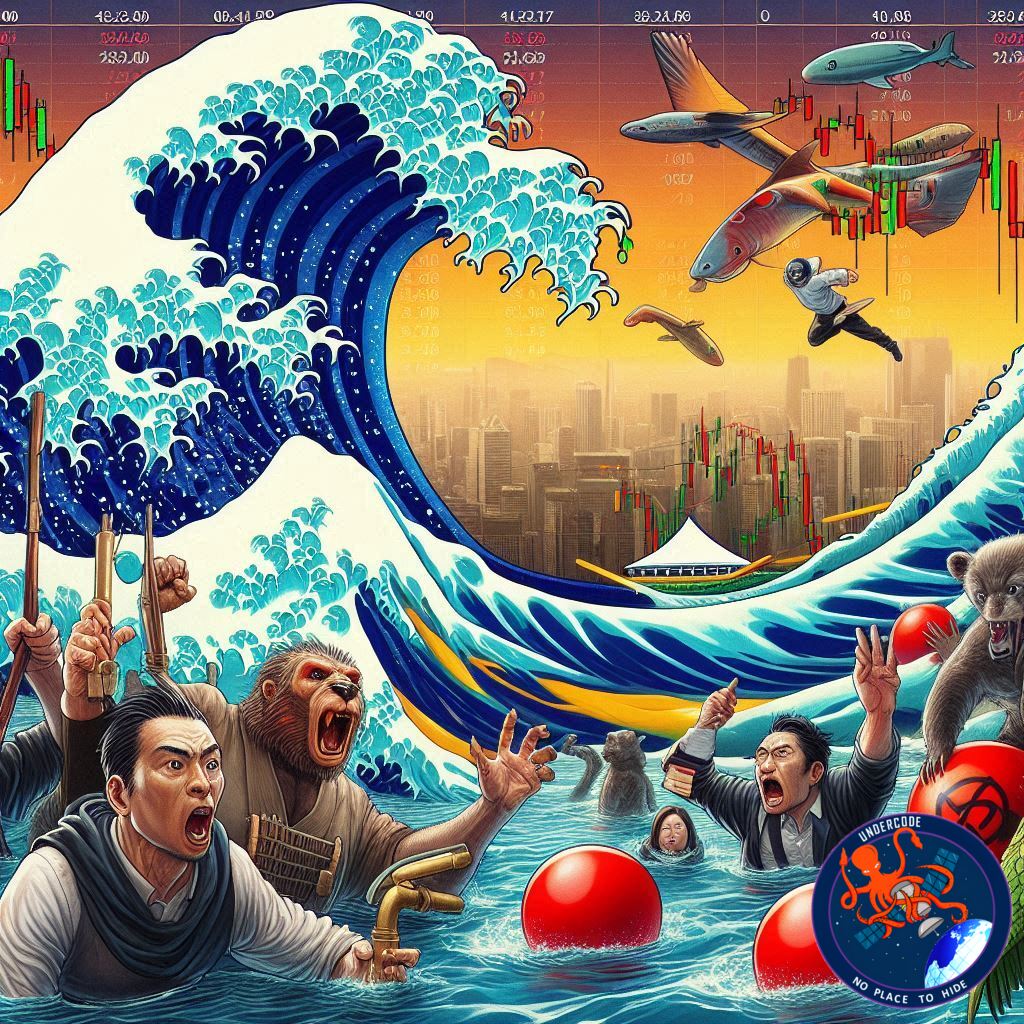
The Nikkei 225, Japan’s benchmark stock index, is poised for a pullback after an impressive five-day rally that saw it soar more than 2,000 points. Following this strong upward momentum, traders are expected to engage in profit-taking, creating selling pressure that could push the index lower in the short term. Analysts predict that the support level for the Nikkei could hover around the 40,000-point mark, serving as a key floor for investors watching the market closely.
On June 30, the Nikkei 225 closed at 40,487 points, reaching its highest level in nearly 11 months. This surge was fueled by growing optimism over an anticipated early rate cut by the U.S. Federal Reserve (FRB) and the booming artificial intelligence (AI) sector, which has boosted semiconductor-related stocks significantly. The combined effect of these factors has reignited investor confidence, propelling the market higher over the past week.
However, after such a sharp rise, the market often experiences a natural pause or correction, as some investors lock in profits and reassess valuations. This selling pressure is likely to dominate trading sessions following the rally, making the near-term outlook more cautious despite the recent positive momentum.
What Undercode Say:
The recent surge in the Nikkei 225 illustrates how global macroeconomic cues and technological innovation can dramatically influence market sentiment. The anticipation of a Fed rate cut is crucial here—lower interest rates typically encourage investment in equities by reducing borrowing costs and improving corporate earnings outlooks. This dynamic has lifted markets worldwide and played a significant role in the Nikkei’s rally.
The AI boom, particularly in semiconductor stocks, underscores a growing investor appetite for tech-driven growth sectors. Semiconductors remain the backbone of AI advancements, powering everything from data centers to autonomous vehicles. Japan’s tech industry, known for its manufacturing excellence, has benefited disproportionately, attracting bullish interest and lifting the Nikkei.
Yet, the sharp five-day rally and the subsequent expectation of profit-taking suggest the market is entering a consolidation phase. Investors might be wary of overvaluation risks after such rapid gains, especially since geopolitical uncertainties and mixed economic signals remain. For example, while Fed rate cuts may boost markets, underlying inflationary pressures or global trade tensions could temper the enthusiasm.
This situation highlights the importance of watching technical support levels—like the 40,000-point threshold—as indicators of market stability. Should the Nikkei hold above this level, it may suggest continued investor confidence and room for further gains. Conversely, a break below could signal a deeper correction.
Furthermore, the
In essence, while short-term profit-taking is natural after such a rally, the broader narrative remains bullish for Japan’s equity market, driven by dovish Fed policies and the transformative potential of AI technology. Investors should balance optimism with caution, staying alert to both technical signals and macroeconomic developments.
🔍 Fact Checker Results:
✅ The Nikkei 225 closed near 40,487 points, marking a significant high in almost a year.
✅ Market optimism is largely driven by expected U.S. Federal Reserve rate cuts and growth in AI-related semiconductor sectors.
❌ No evidence suggests an imminent long-term downturn; current pullbacks are typical profit-taking behaviors after sharp rallies.
📊 Prediction:
The Nikkei 225 is likely to experience short-term volatility characterized by profit-taking, with potential dips toward the 40,000-point support level. However, barring any major geopolitical shocks or economic disappointments, the medium-term trend should remain upward, fueled by anticipated Fed easing and continued AI sector growth. Investors should watch for consolidation patterns and remain focused on high-quality semiconductor and tech stocks poised to benefit from the AI revolution.
References:
Reported By: xtechnikkeicom_648de6283419db79c1860da2
Extra Source Hub:
https://www.linkedin.com
Wikipedia
OpenAi & Undercode AI
Image Source:
Unsplash
Undercode AI DI v2


