
Listen to this Post
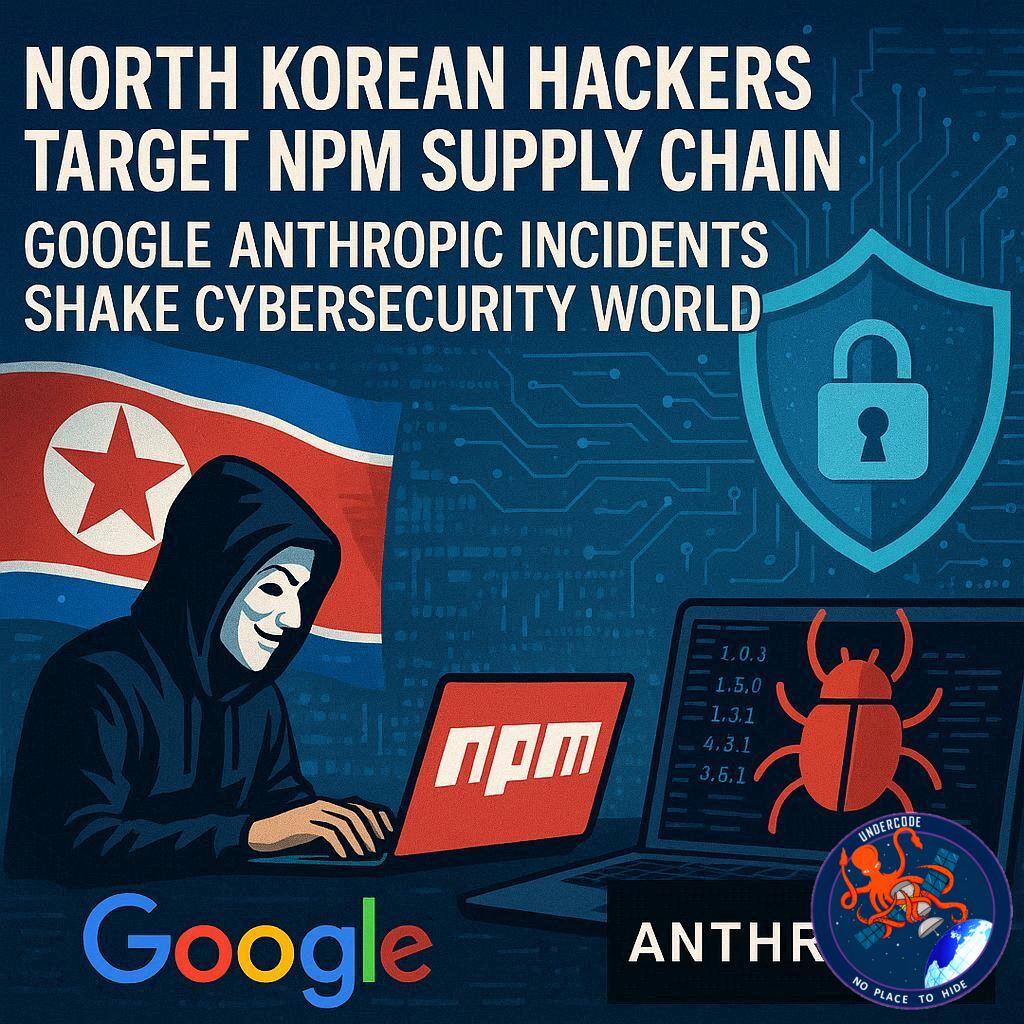
The cybersecurity world is once again on high alert as recent incidents highlight the growing sophistication and global scale of cyberattacks. Two major events have captured the attention of security experts: a supply chain attack on the popular npm package axios, allegedly linked to North Korea’s UNC1069 group, and a packaging error by AI firm Anthropic, which exposed the full source code of Claude, its AI system. Both incidents underline the vulnerabilities in software development and distribution pipelines, showing how even minor mistakes or compromised accounts can have massive repercussions.
Axios Supply Chain Attack Linked to North Korea
Google’s cybersecurity team has traced a supply chain compromise in the axios npm package to the North Korean threat group UNC1069. The attack reportedly involved hijacking a maintainer account and deploying a multi-stage Remote Access Trojan (RAT) across Windows, macOS, and Linux systems. This sophisticated operation demonstrates how state-sponsored hackers are increasingly targeting open-source software to infiltrate corporate networks and steal sensitive information.
Anthropic’s Accidental Code Exposure
In a separate incident, AI company Anthropic confirmed that a packaging error in an npm release exposed the entire source code of Claude, its AI model. The leak included nearly 2,000 TypeScript files, totaling over 512,000 lines of code. Although no customer data was compromised, the incident highlights how human error can lead to significant security risks, even in well-funded and technically advanced organizations.
Global Implications of Software Supply Chain Attacks
Both incidents emphasize the fragility of software supply chains. Open-source repositories and packaging systems are particularly vulnerable, as attackers can exploit trust relationships between developers and users. State-sponsored attacks, like UNC1069’s campaign, show that malicious actors are willing to invest significant time and resources to compromise critical software infrastructure.
What Undercode Says:
Understanding Threat Actor Motivation
The UNC1069 attack illustrates the strategic priorities of state-sponsored hackers: targeting high-value software with broad usage to maximize reach and potential impact. Open-source libraries are an attractive vector because they are widely integrated into enterprise applications.
Risk Assessment in Software Development
Anthropic’s accidental exposure reveals that even non-malicious human errors can present enormous risks. Organizations must adopt stricter code-handling procedures, automated checks, and rigorous internal audits to prevent similar incidents.
Multi-Platform Attack Strategy
The axios compromise demonstrates a multi-platform RAT deployment, signaling that attackers are prepared to exploit any environment—Windows, macOS, or Linux—making universal endpoint protection critical for organizations.
Supply Chain Security Protocols
Both cases underline the need for comprehensive supply chain security protocols, including two-factor authentication for maintainers, automated vulnerability scanning, and proactive monitoring of software dependencies.
Broader Industry Lessons
These incidents serve as a wake-up call to the wider software and AI industry: vulnerabilities are not always obvious, and attackers often combine technical exploits with social engineering or human error to achieve their objectives.
Strategic Implications
State actors like North Korea may increasingly use software supply chains to bypass traditional network defenses, highlighting the importance of proactive threat intelligence and collaborative information sharing across organizations and nations.
Human Error Mitigation
Training developers and engineers on secure practices, alongside automated packaging verification tools, could drastically reduce the likelihood of accidental exposures like Anthropic’s incident.
Future-Proofing AI and Open Source Projects
With AI models becoming more complex and widely distributed, companies must treat source code as highly sensitive intellectual property and adopt the same rigorous security measures applied to customer data.
Cross-Sector Security Awareness
From finance to tech, organizations relying on open-source dependencies need to understand that any component can be a potential vector for cyberattacks, emphasizing the need for continuous monitoring and rapid response capabilities.
The Psychology of Threat Actors
Attackers exploiting supply chains leverage both technical skills and psychological tactics, knowing that human oversight and trust relationships are often the weakest link in cybersecurity.
🔍 Fact Checker Results
✅ UNC1069 is indeed a North Korean-linked group known for software supply chain attacks.
✅ Anthropic confirmed the exposure of Claude’s code due to packaging error, with no customer data leaked.
❌ No evidence suggests that either incident resulted in large-scale public data theft.
📊 Prediction
Cybersecurity experts anticipate that state-sponsored supply chain attacks will continue to rise, targeting high-profile open-source libraries. Companies investing in automated security audits, multi-factor authentication, and developer training will be better positioned to mitigate these risks. Additionally, AI firms must treat their models’ source code as highly sensitive assets, potentially accelerating adoption of private code repositories and zero-trust development pipelines.
If you want, I can also create a catchy SEO-friendly headline with even more clickbait appeal while keeping it fully factual, tailored for cybersecurity blogs. Do you want me to do that next?
🕵️📝✔️Let’s dive deep and fact‑check.
References:
Reported By: x.com
Extra Source Hub (Possible Sources for article):
https://www.github.com
Wikipedia
OpenAi & Undercode AI
Image Source:
Unsplash
Undercode AI DI v2
Bing
🔐JOIN OUR CYBER WORLD [ CVE News • HackMonitor • UndercodeNews ]
📢 Follow UndercodeNews & Stay Tuned:
𝕏 formerly Twitter 🐦 | @ Threads | 🔗 Linkedin | 🦋BlueSky | 🐘Mastodon


