
Listen to this Post
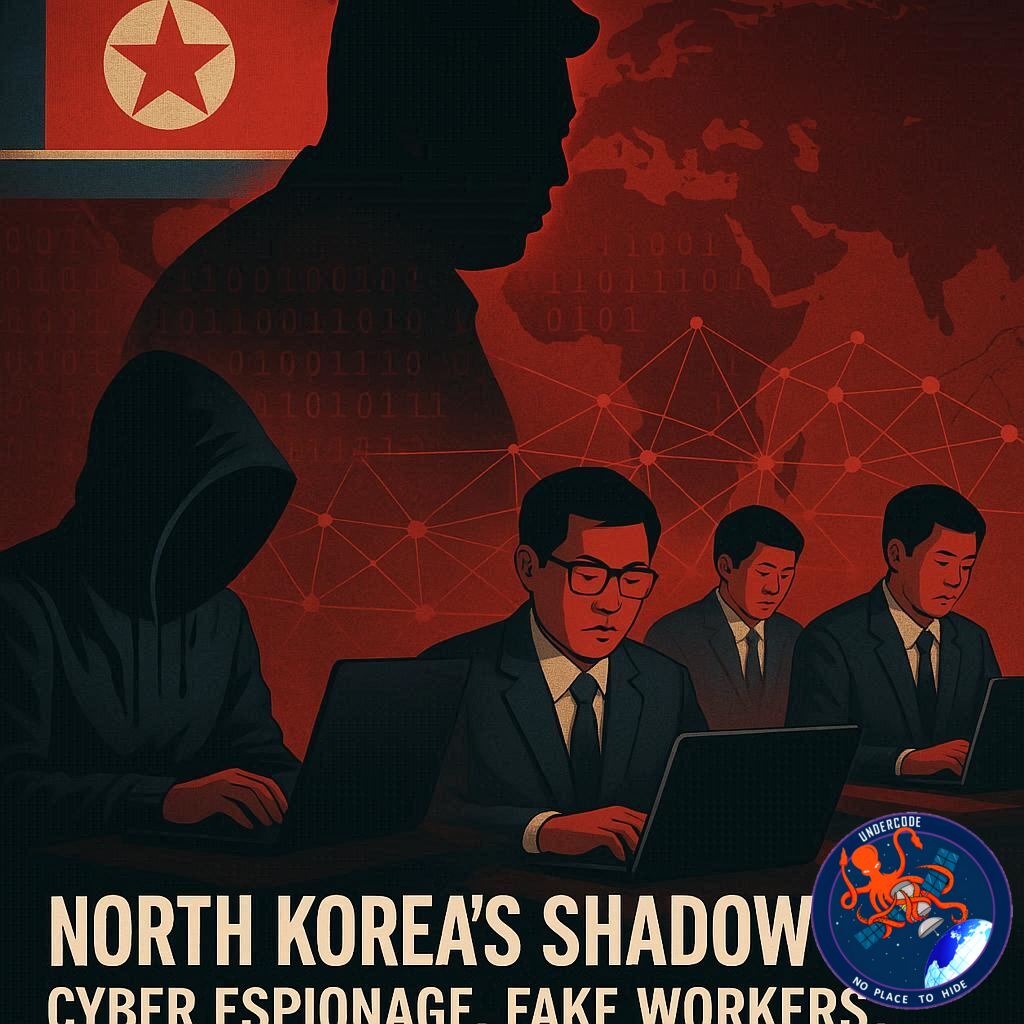
Introduction: A New Era of Cyber Deception
Between March and July 2025, a wave of cyberattacks shook diplomatic missions across South Korea. These attacks weren’t random hacks but carefully orchestrated campaigns allegedly tied to North Korea’s notorious cyber units. From spear-phishing diplomats to infiltrating global companies with fake IT workers, Pyongyang’s cyber playbook is expanding in both sophistication and ambition. What’s most alarming is the growing overlap of tactics suggesting potential collaboration or camouflage involving Chinese infrastructure and operatives.
The Cyber Espionage Campaign Against Diplomats
Researchers discovered that at least 19 spear-phishing emails targeted embassy staff and foreign ministry personnel. These emails impersonated trusted officials, inviting victims to meetings, forums, or diplomatic events.
The attackers cleverly used GitHub as a covert command-and-control channel, hiding malware inside what appeared to be normal developer activity. Other trusted platforms such as Dropbox, Google Drive, and Daum Cloud were abused to deliver Xeno RAT, a remote access trojan granting hackers full control over compromised systems.
The emails were highly sophisticated, written in multiple languages (Korean, English, Persian, Arabic, French, Russian), complete with official signatures, diplomatic jargon, and references to real events. Inside the malicious ZIP files was a disguised Windows shortcut that triggered PowerShell commands, downloading further payloads from GitHub and ensuring persistence with scheduled tasks.
One particularly stealthy method involved a text file (“onf.txt”) inside GitHub repositories, which pointed infected systems toward Dropbox links hosting fresh malware. This allowed attackers to update or rotate payloads rapidly, sometimes multiple times within a single hour, making detection nearly impossible.
The China Connection and the Kimsuky Dilemma
The hacking operation was initially attributed to North Korea’s Kimsuky group, long known for spear-phishing diplomats. However, forensic analysis raised new suspicions.
The attackers’ timezone matched Chinese working hours more closely than North Korean ones.
A 3-day operational pause aligned with Chinese national holidays, not Korean ones.
Infrastructure rotations showed patterns consistent with Chinese APT (Advanced Persistent Threat) groups.
This raised several possible scenarios:
1. North Korean hackers operating out of Chinese territory.
- A Chinese group mimicking Kimsuky tactics to mislead investigators.
- A joint effort, blending Chinese infrastructure with North Korean motives.
Regardless of the source, the use of Korean cloud services gave the attacks a South Korean disguise, while Chinese infrastructure provided plausible deniability.
Beyond Espionage: North Korea’s Fake IT Worker Army
Parallel to espionage, a second revelation paints a darker picture. CrowdStrike exposed that over 320 incidents in the past year involved North Korean operatives posing as remote IT workers — a 220% surge from the year before.
These fake IT workers use:
Generative AI tools like Microsoft Copilot to write code.
Translation software to handle communication.
Deepfake technology to impersonate people in video interviews.
Laptop farms to simulate working from different countries.
Shockingly, many worked 3–4 jobs at once, funneling salaries back to the North Korean regime. They used disposable email addresses, privacy-focused services, and even AI-powered photo editing tools to craft convincing identities. Nearly 89% of their accounts were Gmail-based, with usernames like “developer,” “coder,” or “software.”
What Undercode Say: 🕵️♂️ Analytical Insights
The dual nature of North Korea’s cyber strategy — espionage and infiltration — shows a shift from destructive hacks to persistent influence operations. Here’s what stands out:
Diplomatic Targeting: By aligning phishing lures with real-world diplomatic events, attackers maximized trust. This tactic isn’t about random breaches — it’s about influencing global negotiations and intelligence.
Cloud Exploitation: Using trusted services like GitHub and Dropbox bypasses traditional security filters. This reflects a “living off the land” strategy, where attackers exploit everyday tools.
China’s Role: Whether as partners, hosts, or cover identities, China provides North Korean hackers with breathing space. This geopolitical overlap blurs accountability and makes retaliation difficult.
AI-Powered Deception: The IT worker infiltration demonstrates how AI tools are weaponized for fraud, productivity, and disguise. North Korea is no longer just hacking — it’s building a global shadow workforce.
Revenue Model: While espionage supports intelligence goals, the IT worker scheme funds the regime. This dual approach ensures strategic sustainability.
In the long run, these operations threaten not only governments but also private companies, universities, and NGOs that unknowingly hire compromised IT staff. Cybersecurity must now address both code and people.
✅ Fact Checker Results
North Korean group Kimsuky is linked to espionage, but Chinese footprints complicate attribution.
The IT worker infiltration scheme is real, with confirmed use of AI, deepfakes, and multiple job fraud.
Trusted platforms like GitHub and Dropbox were indeed exploited to deliver malware.
🔮 Prediction: What Comes Next?
Expect more blurred lines between Chinese and North Korean cyber ops, making attribution nearly impossible. We will also likely see wider infiltration of private companies by fake IT workers, especially in tech and finance sectors. As AI evolves, so will the scale and realism of cyber deception, forcing global security systems to adapt or face devastating breaches.
🕵️📝✔️Let’s dive deep and fact‑check.
References:
Reported By: thehackernews.com
Extra Source Hub:
https://www.quora.com/topic/Technology
Wikipedia
OpenAi & Undercode AI
Image Source:
Unsplash
Undercode AI DI v2
🔐JOIN OUR CYBER WORLD [ CVE News • HackMonitor • UndercodeNews ]
📢 Follow UndercodeNews & Stay Tuned:
𝕏 formerly Twitter 🐦 | @ Threads | 🔗 Linkedin | 🦋BlueSky | 🐘Mastodon


