
Listen to this Post
Introduction: A Quiet Tweet That Signals a Loud Threat
A single cybersecurity alert on social media has pulled back the curtain on a sprawling and highly strategic campaign tied to North Korean threat actors. Beneath the surface of what looked like routine developer tools and dormant enterprise devices, investigators uncovered steganographic malware, weaponized open-source packages, and long-term persistence mechanisms designed to wait patiently before striking. The revelations highlight how modern cyber-espionage is no longer loud or rushed—but stealthy, methodical, and deeply embedded in everyday infrastructure.
the Original Report: What Happened and Why It Matters
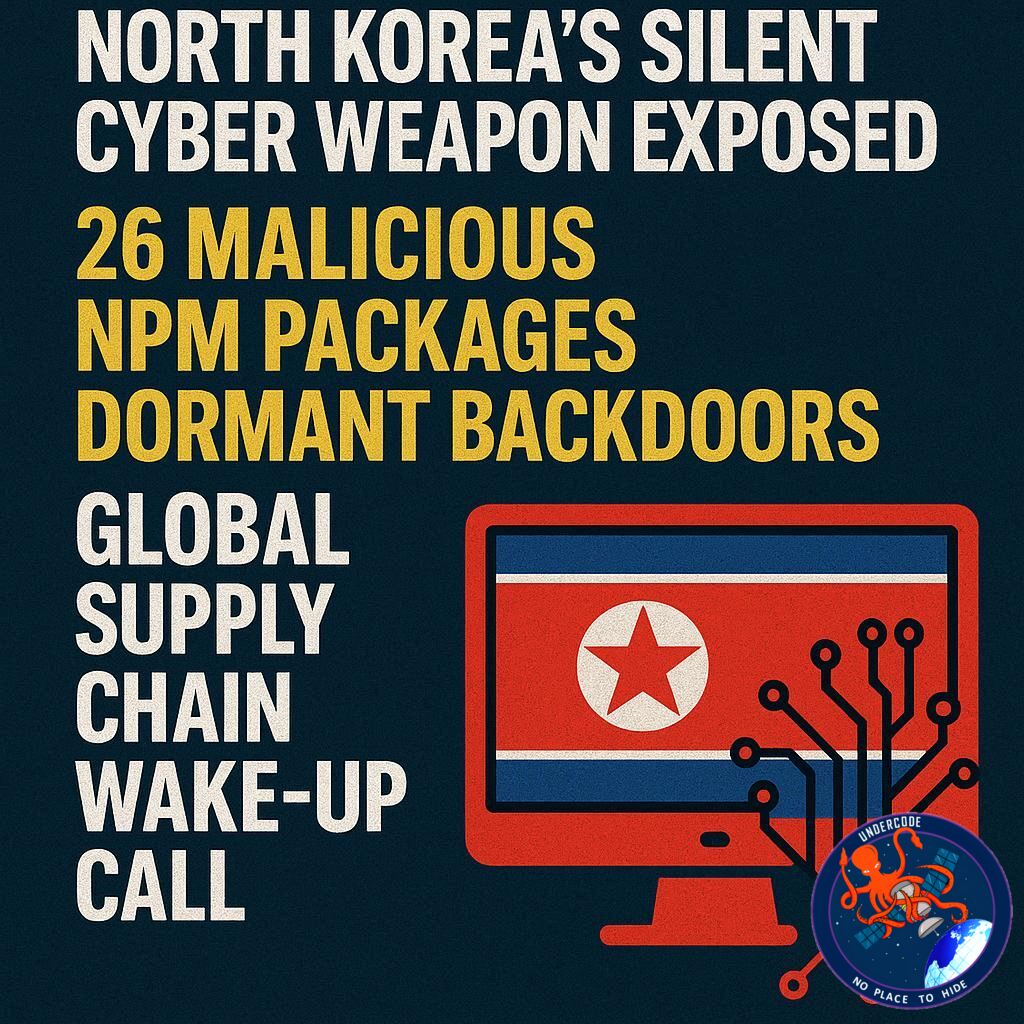
The report shared by Cybersecurity News Everyday details how North Korean threat actors deployed 26 malicious npm packages that used steganography to conceal harmful code within seemingly legitimate files. These packages were linked to command-and-control servers hosted on Vercel, a platform widely trusted by developers. Once installed, the packages enabled credential theft and remote access trojans (RATs), allowing attackers persistent access to compromised systems.
The activity has been associated with APT37, a well-known North Korean cyber-espionage group. Beyond npm, the group expanded its infection vectors to include USB-based malware and implants targeting Zoho WorkDrive, signaling a broader focus on enterprise collaboration tools and offline infection paths.
Adding to the concern, CISA warned about a malware strain known as RESURGE, which was found lying dormant on compromised Ivanti devices. This dormancy allows attackers to evade detection for extended periods before reactivating access. Together, these findings paint a picture of a patient, well-resourced adversary leveraging trust in open-source ecosystems, cloud infrastructure, and enterprise hardware to maintain long-term footholds across global networks.
What Undercode Say: The Bigger Picture Behind the Technical Details
Supply-Chain Trust Is the New Battleground
The use of npm packages as a delivery mechanism underscores how software supply chains have become prime real estate for state-sponsored attackers. Developers routinely install dependencies without deep inspection, creating a massive trust gap that adversaries like APT37 are exploiting with precision.
Steganography Signals a Shift Toward Ultra-Low Visibility
Hiding malicious code inside images or benign-looking assets is not new, but its deployment at this scale suggests a shift toward operations designed to survive modern detection tools. This is not smash-and-grab hacking—it is espionage built for endurance.
Cloud Platforms Are Being Abused, Not Broken
By hosting C2 infrastructure on reputable services like Vercel, attackers benefit from inherited trust and reduced scrutiny. The infrastructure itself isn’t vulnerable; it’s being strategically misused to blend malicious traffic into normal cloud activity.
Dormant Malware Changes Incident Response Math
The RESURGE findings are particularly troubling. Malware that can remain inactive for months or years rewrites traditional assumptions about breach timelines. Cleaning an infection no longer guarantees safety if dormant components remain undiscovered.
USB and Offline Vectors Are Back for a Reason
The revival of USB-based implants shows a clear intent to breach air-gapped or high-security environments. In an era obsessed with cloud threats, physical vectors are again proving their value for sophisticated adversaries.
Geopolitics Is Driving Patience, Not Speed
North Korea’s cyber strategy appears aligned with long-term intelligence gathering and revenue generation rather than immediate disruption. This patience makes detection harder and the eventual impact potentially far more damaging.
Fact Checker Results 🔍
npm Package Abuse Confirmed ✅
Multiple investigations have verified malicious packages leveraging steganography within the npm ecosystem.
APT37 Attribution Consistent ✅
The tactics, infrastructure, and targets align closely with previously documented APT37 operations.
Ivanti Dormancy Risk Validated ✅
CISA advisories confirm the existence of dormant RESURGE components on compromised Ivanti devices.
Prediction 📊
North Korean cyber operations will increasingly favor low-and-slow campaigns embedded in trusted software ecosystems, with a growing emphasis on open-source poisoning and long-term dormancy. As detection improves, attackers will continue to hide in places defenders least expect—inside the tools they rely on every day.
🕵️📝✔️Let’s dive deep and fact‑check.
References:
Reported By: x.com
Extra Source Hub (Possible Sources for article):
https://www.instagram.com
Wikipedia
OpenAi & Undercode AI
Image Source:
Unsplash
Undercode AI DI v2
Bing
🔐JOIN OUR CYBER WORLD [ CVE News • HackMonitor • UndercodeNews ]
📢 Follow UndercodeNews & Stay Tuned:
𝕏 formerly Twitter 🐦 | @ Threads | 🔗 Linkedin | 🦋BlueSky | 🐘Mastodon


