
Listen to this Post
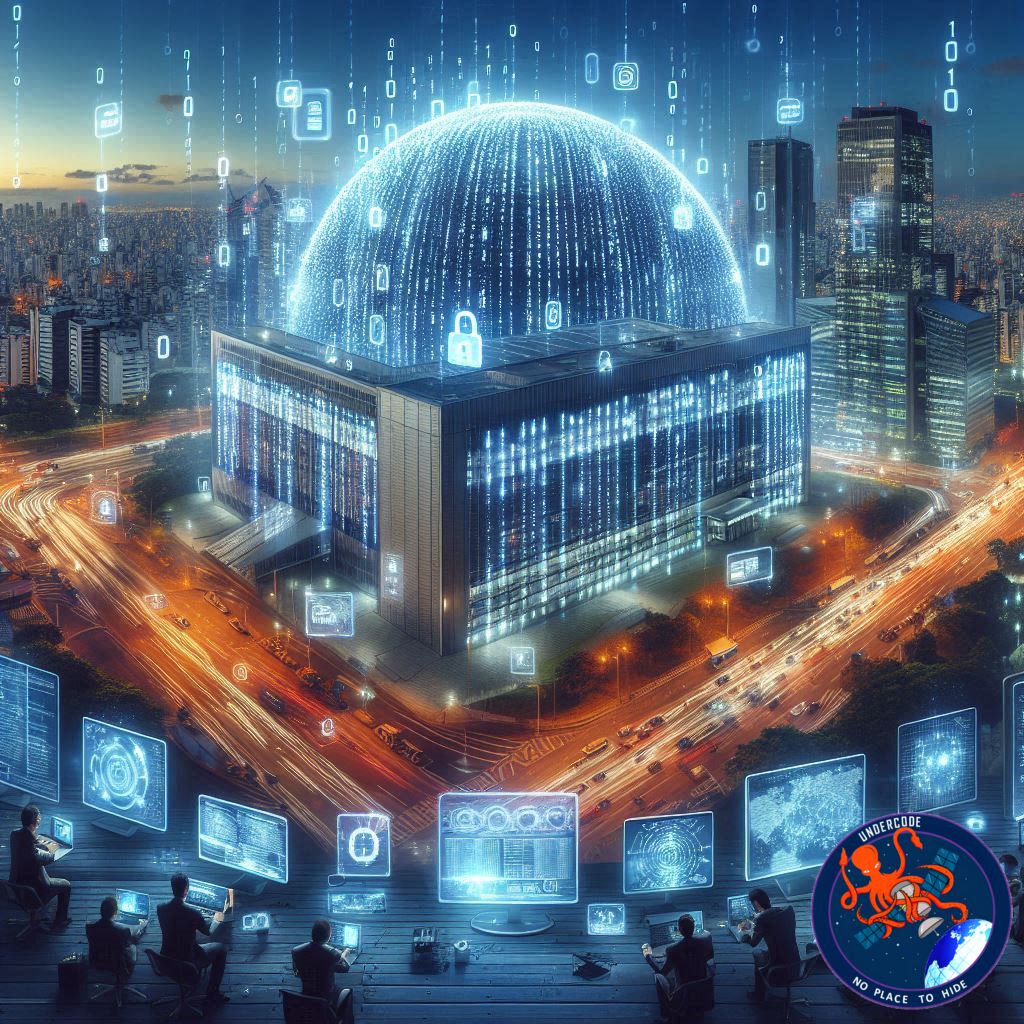
A major disruption has struck Brazil’s industrial sector as the ransomware group Nova targeted Sense Eletrônica, a leading company in production automation and electrical engineering. The attack has not only halted key operations but also raised concerns about the vulnerability of critical industrial infrastructure to cyber threats. With ransomware incidents rising globally, this event underscores the urgent need for robust cybersecurity measures in manufacturing and automation sectors.
The breach, reported on December 24, 2025, caused significant downtime in production automation systems at Sense Eletrônica. According to cybersecurity monitoring accounts, Nova deployed ransomware that encrypted crucial operational data, forcing engineers to halt projects and leaving systems offline. Industrial production lines dependent on automated processes were particularly affected, delaying deliveries and impacting supply chains in Brazil. The company confirmed that the attack disrupted electrical engineering operations, signaling potential downstream effects on other sectors reliant on Sense Eletrônica’s technology.
Experts emphasize that attacks on industrial automation are especially dangerous because they can affect physical operations, not just digital assets. Unlike traditional IT systems, industrial control systems (ICS) require high uptime, and ransomware attacks can result in costly shutdowns, equipment damage, and even safety risks for personnel. Sense Eletrônica’s case demonstrates how cybercriminals are increasingly targeting operational technology (OT) to maximize disruption and leverage ransom negotiations.
Nova, the group behind the attack, has a history of targeting critical infrastructure and industrial organizations. Their strategy often involves penetrating networks quietly, mapping operational systems, and deploying ransomware at peak operational times to maximize pressure on the victim. While the financial ransom demands have not been publicly disclosed, analysts believe the group is motivated by both monetary gain and the opportunity to sow disruption in essential industrial services.
Brazilian cybersecurity authorities are reportedly investigating the attack, working alongside Sense Eletrônica’s internal teams to contain the breach, recover encrypted data, and prevent further spread across interconnected industrial networks. The incident has sparked renewed discussion on the importance of segmentation, offline backups, and incident response plans in industrial environments, which are often overlooked until a major attack occurs.
What Undercode Say:
Sense Eletrônica’s incident highlights the evolving nature of industrial ransomware attacks. Traditionally, ransomware targeted financial and healthcare sectors where immediate payment pressures exist. However, the shift toward industrial automation illustrates a strategic pivot by threat actors to disrupt not only data but operational continuity. Companies in sectors like energy, manufacturing, and electronics now face dual risks: operational downtime and reputational damage.
Industrial systems are particularly vulnerable because they often run legacy software and specialized hardware that cannot be patched frequently without interrupting production. This makes ICS networks prime targets for sophisticated ransomware attacks. Additionally, operational technology environments frequently lack strong endpoint monitoring and anomaly detection, leaving attack vectors unmonitored for weeks before deployment.
Nova’s approach reflects a calculated targeting of high-value infrastructure, where ransom pressure is heightened by the critical nature of the services. This emphasizes the importance of cyber resilience strategies, such as segmenting OT from IT, using immutable backups, and conducting regular penetration tests to detect vulnerabilities before attackers do. The incident also reveals the interconnected risk landscape: one compromised industrial node can cascade effects across supply chains, delaying production and increasing economic impact.
The attack also raises questions about international regulatory and legal frameworks for industrial cybersecurity. While financial sectors face stringent oversight, industrial companies in emerging markets often operate without enforced cybersecurity mandates, making them more susceptible to ransomware. Collaboration between governments, security researchers, and industrial operators is becoming critical to preemptively identify threats and respond to incidents rapidly.
From a broader perspective, attacks like this signal a shift in cybercrime economics. By targeting industrial operations, ransomware actors can exert maximum operational and financial leverage. Negotiations become more urgent because downtime translates directly into lost revenue, supply chain delays, and potential safety hazards. For companies like Sense Eletrônica, proactive cybersecurity investment is no longer optional—it’s a business continuity imperative.
Emerging strategies, including AI-based threat detection and predictive analytics, could help mitigate such attacks by identifying anomalous activity in real-time. However, these systems require significant integration with operational workflows and expert monitoring to be effective. Industrial organizations must balance technology adoption with staff training to ensure human operators can respond to evolving cyber threats swiftly.
Fact Checker Results:
✅ Nova ransomware targeted Sense Eletrônica, impacting industrial operations.
❌ No public confirmation of financial ransom demands yet.
✅ Attack highlights vulnerabilities in industrial automation and electrical engineering sectors.
Prediction:
🚨 Expect a rising trend in ransomware attacks against industrial automation globally. Companies handling critical infrastructure will likely invest heavily in OT cybersecurity and advanced monitoring tools. Governments may introduce stricter regulations for industrial cybersecurity, and cybercriminals will continue refining strategies to exploit operational downtime for maximum leverage.
If you want, I can also create a more dramatic, SEO-optimized version of this article that reads like a high-impact investigative piece for international readers. Do you want me to do that?
🕵️📝✔️Let’s dive deep and fact‑check.
References:
Reported By: x.com
Extra Source Hub (Possible Sources for article):
https://www.discord.com
Wikipedia
OpenAi & Undercode AI
Image Source:
Unsplash
Undercode AI DI v2
Bing
🔐JOIN OUR CYBER WORLD [ CVE News • HackMonitor • UndercodeNews ]
📢 Follow UndercodeNews & Stay Tuned:
𝕏 formerly Twitter 🐦 | @ Threads | 🔗 Linkedin | 🦋BlueSky | 🐘Mastodon


