
Listen to this Post
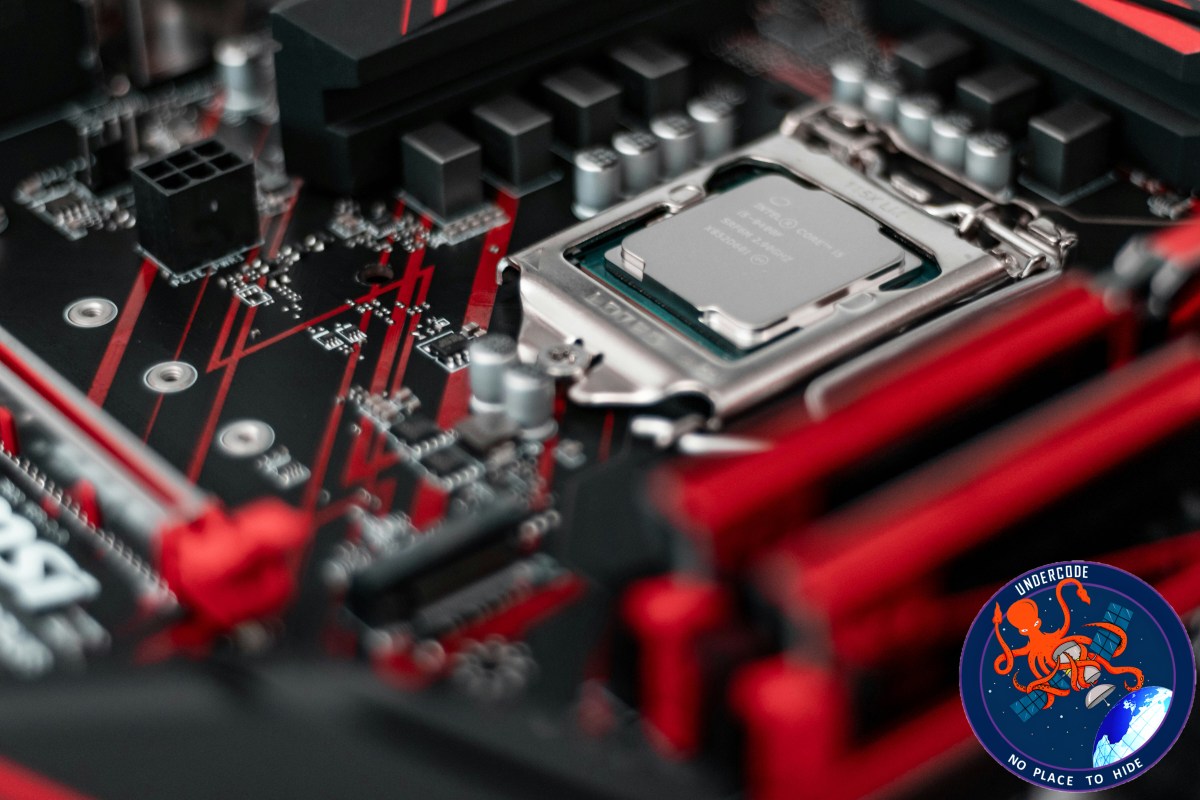
In a surprising turn in the ongoing tech trade tensions, Chinese authorities have reportedly instructed domestic companies to avoid using NVIDIA’s artificial intelligence (AI) semiconductors, specifically the “H20” model. The official reason cited is the fear of a “backdoor” — a security vulnerability that could potentially allow unauthorized access or spying. NVIDIA has firmly denied these allegations, emphasizing that no such security issues exist in their products. Despite NVIDIA’s rebuttal, this move casts a shadow over the company’s prospects for recovering its semiconductor exports to China, a crucial market for the global chip giant.
According to Bloomberg, Chinese regulators have warned local firms to steer clear of NVIDIA’s AI chips, escalating concerns in Silicon Valley about the fragile state of US-China tech relations. This ban comes amid a broader backdrop of tightening controls on technology exports by the United States to China, aimed at limiting China’s advances in sensitive tech sectors like AI and semiconductors. The “backdoor” claim is significant, as it feeds into longstanding worries about cybersecurity and trust in foreign technology products, especially those from US companies.
NVIDIA, a leader in AI hardware innovation, has invested heavily in developing chips that power everything from cloud computing to autonomous vehicles. The “H20” chip, unveiled recently, represents their latest technological leap and a key product in their AI lineup. The Chinese government’s cautionary stance threatens to curb NVIDIA’s sales growth in one of the largest semiconductor markets worldwide, potentially disrupting supply chains and innovation momentum.
The situation is emblematic of the ongoing strategic rivalry between the US and China in the high-tech arena. Both nations are vying for dominance in AI capabilities and semiconductor manufacturing, which are seen as foundational to future economic and military power. The distrust that underpins the “backdoor” accusation reflects a deeper geopolitical struggle, where technology is not just a commercial commodity but a matter of national security.
For NVIDIA, the challenge is twofold: defending its product integrity amid political suspicion, and navigating export restrictions that complicate access to the Chinese market. For China, reducing dependence on foreign AI chips fits into its broader ambition of technological self-reliance, even if it means short-term disruptions.
What Undercode Say:
NVIDIA’s confrontation with Chinese authorities over alleged “backdoor” vulnerabilities in its AI chips reveals a critical flashpoint in the global semiconductor supply chain. The accusations, though denied by NVIDIA, underscore the heightened security paranoia that is reshaping international tech commerce. This episode is more than a simple product dispute—it is a microcosm of the widening technology decoupling between the US and China.
NVIDIA’s technological leadership in AI chips places it in a vulnerable position. The company depends heavily on the Chinese market, both for sales and for manufacturing components. The Chinese government’s actions signal a strategic pivot towards indigenous innovation, encouraged by ongoing US export controls and growing distrust. Even if the “backdoor” claims lack concrete evidence, the perception itself fuels a reluctance to rely on American hardware.
This environment forces semiconductor firms to rethink their global strategies. Companies like NVIDIA must balance their role as technological pioneers with the realities of geopolitical friction. Alternative markets and supply chains are increasingly important to mitigate risks, but the cost of such shifts may slow innovation and raise prices.
From a security perspective, the controversy highlights how cybersecurity concerns are weaponized in trade disputes. The term “backdoor” can be nebulous and difficult to prove, yet it has immense power to sway policy and market behavior. In the long term, this could push China to accelerate its domestic chip development, potentially fostering a bifurcated tech ecosystem where compatibility and standards diverge sharply.
NVIDIA’s response will be crucial in managing reputational risks and maintaining customer trust worldwide. Transparent communication, third-party audits, and collaboration with international security bodies could help defuse tensions. However, as the geopolitical landscape hardens, even the most rigorous technical assurances might struggle against suspicion rooted in broader strategic rivalries.
In conclusion, this standoff between NVIDIA and China is emblematic of a new era where semiconductor technology is inseparable from national security concerns. The global chip industry is caught between innovation’s rapid pace and the slow, cautious recalibration of international trust and cooperation. How this balance evolves will shape the future of AI development and the global technology order.
Fact Checker Results 🔍
✅ NVIDIA has publicly denied any existence of backdoors in its AI chips.
✅ Chinese authorities have issued warnings to domestic companies regarding the use of certain foreign technology, including NVIDIA products.
❌ No independent verification currently confirms the existence of backdoors or security vulnerabilities in the NVIDIA H20 chip.
📊 Prediction
The ongoing suspicion and restrictions around NVIDIA’s AI chips in China are likely to accelerate the fragmentation of the global semiconductor market. We can expect China to intensify its investment in homegrown AI semiconductor technology, aiming for greater technological independence. Meanwhile, NVIDIA and other US companies will face increasing challenges in regaining access to the Chinese market, potentially resulting in a slower recovery of export volumes. This bifurcation may encourage parallel ecosystems where compatibility between Chinese and Western AI hardware becomes limited, impacting global AI development and collaboration over the next five years.
🕵️📝✔️Let’s dive deep and fact‑check.
References:
Reported By: xtechnikkeicom_b32b94cef12f19d3989c8a4f
Extra Source Hub:
https://www.instagram.com
Wikipedia
OpenAi & Undercode AI
Image Source:
Unsplash
Undercode AI DI v2
🔐JOIN OUR CYBER WORLD [ CVE News • HackMonitor • UndercodeNews ]
📢 Follow UndercodeNews & Stay Tuned:
𝕏 formerly Twitter 🐦 | @ Threads | 🔗 Linkedin | 🦋BlueSky | 🐘Mastodon


