
Listen to this Post
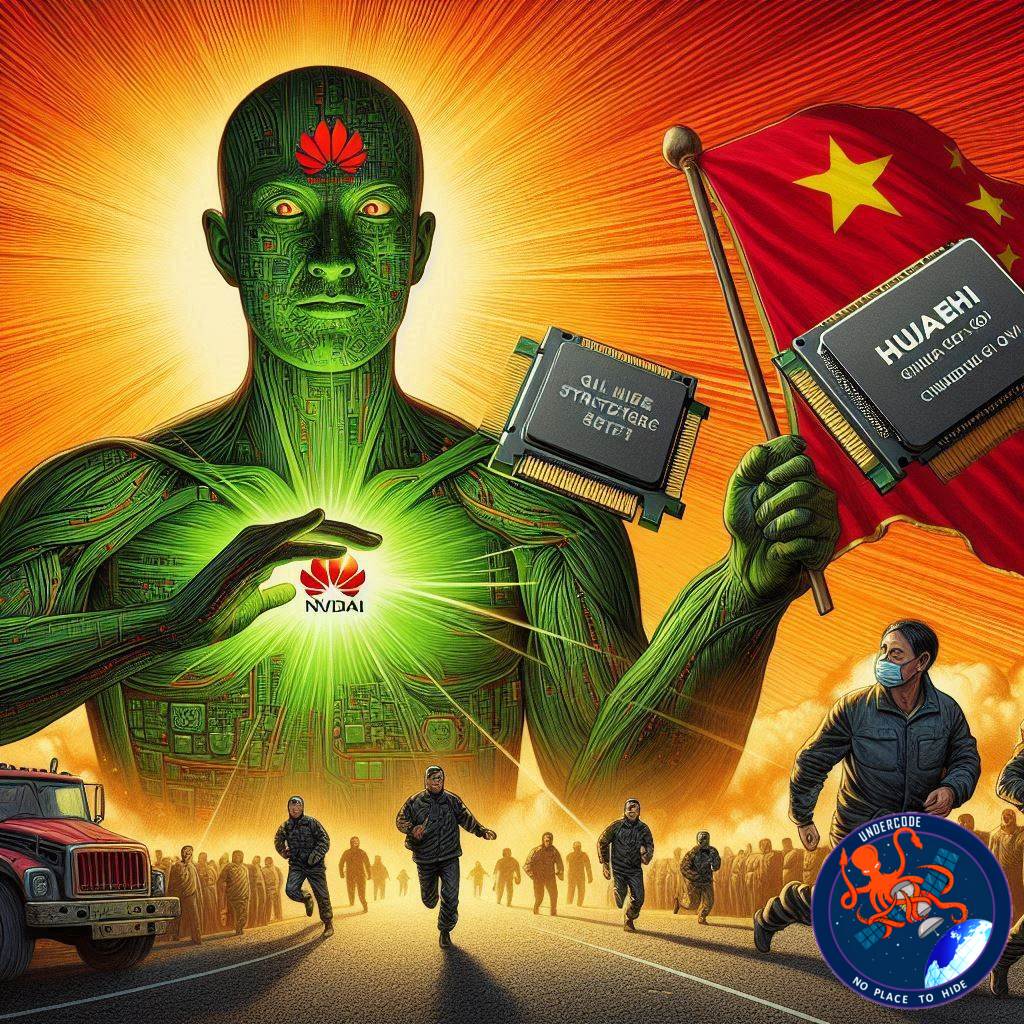
In the ever-evolving landscape of global tech competition, NVIDIA finds itself facing increased pressure due to the rapid rise of Huawei in the Chinese market. With the U.S. government ramping up restrictions on AI semiconductor exports to China, NVIDIA faces a significant roadblock in accessing one of the world’s largest and most lucrative markets. If Huawei continues to dominate the Chinese tech scene, NVIDIA risks falling behind not only in China but on the global stage. This article dives into how these tensions might affect future developments in AI technology and the semiconductor market.
Summary:
NVIDIA, the leading American semiconductor company, is increasingly worried about the dominance of Chinese telecommunications giant Huawei in the Chinese market. The U.S. government’s tightening of export regulations, particularly concerning AI semiconductors, has made it difficult for NVIDIA to deploy its latest technologies into China, a market that is estimated to be worth 7 trillion usd. This situation poses a strategic challenge for the company, as Huawei’s growing influence in China could lead to it gaining a technological edge that could ripple across global markets. If Huawei continues to lead the market with its advanced tech, NVIDIA could find itself in a difficult position, unable to compete on equal footing with its Chinese counterpart. The situation is further complicated by the complex political dynamics, particularly with former U.S. President Donald Trump’s return to office in 2025, which may lead to even more stringent tech policies. NVIDIA’s leadership, including CEO Jensen Huang, expressed gratitude toward President Trump’s administration for its actions, but the ongoing tensions are clear: the company’s position in the global semiconductor race is at risk, especially in a market as critical as China.
What Undercode Says:
The growing rift between the U.S. and China over AI technology and semiconductor exports is having significant implications for tech companies like NVIDIA. What is particularly concerning is the fact that Huawei, a Chinese company, is not only a direct competitor but is poised to dominate the Chinese market. The fear here is not just market share; it’s the ripple effect that Huawei’s dominance could have across the globe.
In terms of technological progress, AI semiconductors are at the heart of many of today’s cutting-edge innovations, from autonomous vehicles to machine learning applications. The Chinese market, with its size and appetite for innovation, is too valuable for companies like NVIDIA to ignore. However, the tighter export controls implemented by the U.S. government are leaving NVIDIA with fewer options to introduce their latest chips into China.
This situation could ultimately hurt U.S.-based companies more than it helps. While the intent behind the export bans is to slow China’s technological advancements, these measures could backfire by driving Chinese companies to accelerate the development of their own chips, potentially reducing their dependency on U.S. technology. Huawei is already known for its investments in chip design, and if the company continues its upward trajectory, NVIDIA might not only lose its grip on the Chinese market but also face stiffer competition from Chinese tech giants who are pushing the boundaries of AI themselves.
Moreover, the political backdrop of the situation adds another layer of complexity. The potential return of Donald Trump to the presidency in 2025 may lead to even stricter policies on technology exports, especially toward China. This political uncertainty creates an environment where companies must navigate not only market forces but also the unpredictable nature of international relations.
From a strategic perspective, NVIDIA must find ways to stay competitive without losing access to crucial markets. It could explore partnerships with local Chinese firms, develop new technologies that meet local demands, or even look for new markets where its technology can be deployed. In any case, the company is at a crossroads, and how it responds to this changing global landscape will be pivotal in determining its future position in the semiconductor industry.
Fact Checker Results:
✅ The Chinese market’s value is indeed immense, with estimates of it reaching around 7 trillion usd.
✅ Export restrictions on AI semiconductors to China have been in place and are a major concern for U.S. companies.
✅ Huawei’s technological advancements are a direct threat to companies like NVIDIA in the semiconductor sector.
Prediction:
Looking ahead, the ongoing trade tensions and tech restrictions could lead to increased investment in domestic AI semiconductor development within China. Companies like Huawei will likely ramp up efforts to reduce their reliance on U.S. technology. As a result, we might see a shift in the global semiconductor landscape, with China becoming less dependent on U.S. innovations. NVIDIA will need to find innovative ways to adapt to this new reality, perhaps by focusing on emerging markets or shifting its strategies to accommodate the geopolitical climate.
References:
Reported By: xtechnikkeicom_5a419174ebbc8954241ca99d
Extra Source Hub:
https://www.instagram.com
Wikipedia
Undercode AI
Image Source:
Unsplash
Undercode AI DI v2


