
Listen to this Post
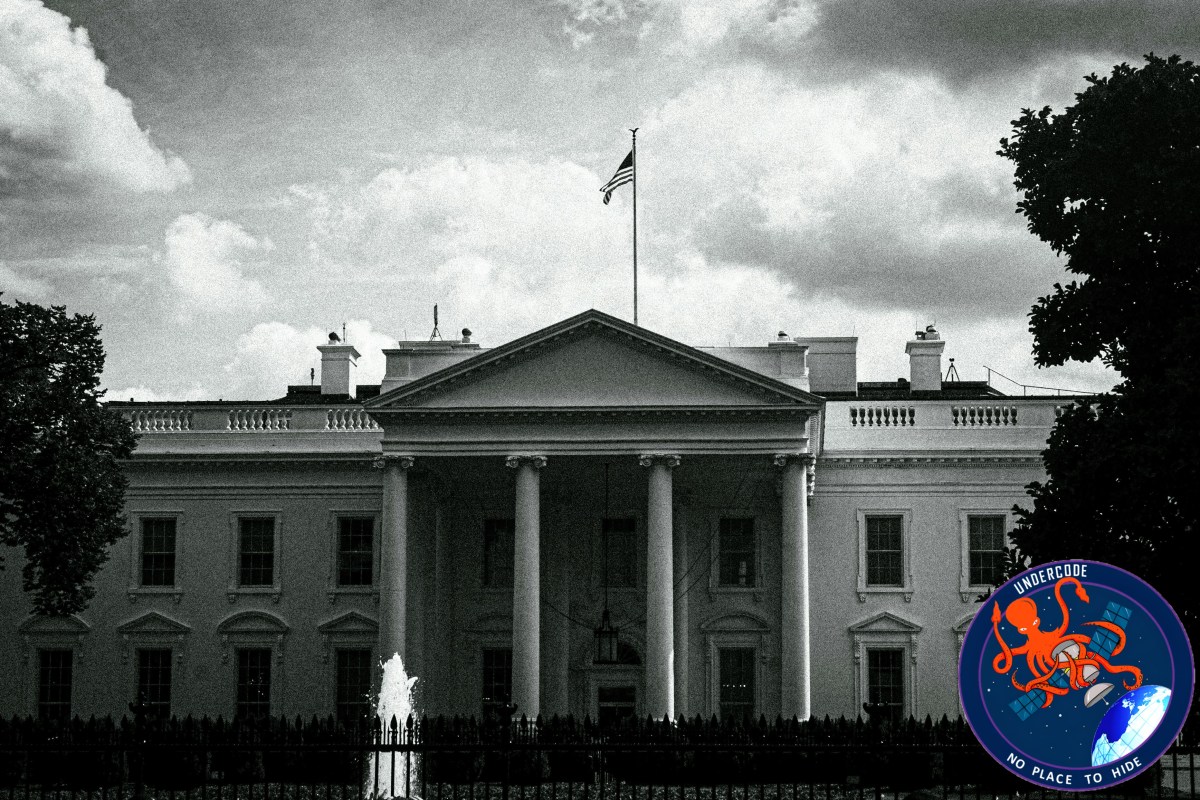
A Firestorm Reignites in the Capital
A dramatic political storm has been reignited in Washington as former Representative Tulsi Gabbard drops bombshell accusations suggesting that top Obama-era officials conspired in a “treasonous” campaign to sabotage Donald Trump’s presidency. While Gabbard’s claims echo sentiments long shared by Trump and his loyal base, the evidence she presents, including a newly declassified report from 2020, is stirring renewed debate across both sides of the political aisle. The allegations come at a time when the former president is also under scrutiny for his handling of the Jeffrey Epstein scandal, fueling speculation that this fresh controversy might be a strategic distraction.
What’s more, while prominent Republican lawmakers have cautiously endorsed calls for further investigation, they’re stopping short of embracing Trump’s bold accusations of “treason.” With the Department of Justice now stepping in through the formation of a special Strike Force, the nation watches closely as the saga unfolds. But beneath the fiery headlines lies a deeper question: is this a legitimate national security concern, or just another chapter in Trump’s long-running battle against what he calls the “deep state”?
Tensions Reignite Over Russia, Obama, and Treason Allegations
The political landscape was jolted once again as Tulsi Gabbard’s explosive claims hit the national stage, alleging that former President Barack Obama and his administration orchestrated a multi-year coup against Donald Trump. The claims stem from a declassified 2020 intelligence report which, according to Gabbard, proves that top Obama-era officials engaged in a conspiracy to undermine Trump’s presidency through the now-infamous Russia investigation. These accusations have fueled Trump’s long-standing narrative that he has been the target of a “witch hunt” since day one.
On Sunday, several Republican figures responded to Gabbard’s revelations. Senator Lindsey Graham called for the appointment of a special counsel to investigate potential crimes. However, Graham carefully distanced himself from Trump’s accusations of “treason,” urging the courts to handle such determinations. Meanwhile, Rep. Rick Crawford described the entire Russia probe as a “fraud,” echoing GOP frustrations but also leaving the treason charge unresolved. On the Democratic side, Rep. Jason Crow dismissed Gabbard’s claims entirely, calling her a “weapon of mass distraction” and insisting no new evidence had emerged.
Obama’s spokesperson rebuked the claims as a desperate ploy, calling them a “weak attempt at distraction.” Indeed, the timing of these accusations—coinciding with renewed criticism of Trump over the Jeffrey Epstein case—has led some to speculate whether this is a calculated diversion. Adding fuel to the fire, Trump has escalated the controversy on social media, circulating AI-generated videos and memes depicting Obama’s arrest and dramatized car chases between the two leaders.
Despite all the noise, it remains true that no major investigation has ever concluded that Russia altered vote counts in the 2016 election. A 2020 Republican-led Senate report upheld that conclusion while affirming that Russia favored Trump over Hillary Clinton. As the DOJ’s newly formed Strike Force begins sifting through Gabbard’s material, the public is left grappling with competing narratives: a dangerous conspiracy or political theater?
What Undercode Say:
Political Diversions Amid Real Crises
This entire controversy cannot be detached from the broader political context. The Epstein scandal continues to rattle Washington, and Trump’s alleged ties or failures to act decisively during Epstein’s incarceration and subsequent death remain highly controversial. By amplifying Gabbard’s treason claims, Trump is likely attempting to redirect public attention and energize his base with a familiar narrative of victimhood and elite betrayal.
The Power of Declassification
Gabbard’s declassification of a 2020 report is presented as a revelatory moment, but the details remain murky. Intelligence documents can be notoriously vague or interpreted selectively depending on political agendas. The assertion that the Obama administration orchestrated a deliberate campaign to sabotage Trump must be measured against the extensive oversight and bipartisan reviews already conducted over several years. So far, no smoking gun has emerged.
GOP Strategy: Careful Echoes, Avoiding Extremes
Republicans are walking a tightrope. While eager to weaponize dissatisfaction over the Russia probe and rally support for Trump, they are also wary of overstepping. Graham’s reluctance to label Obama’s actions as “treason” speaks to the high political and legal threshold such a charge entails. Likewise, Rep. Crawford’s emphasis on fraud over treason underscores the strategic tone being set: inflame, but don’t ignite.
Democrats’ Response: Downplay and Dismiss
Democrats, for their part, are downplaying Gabbard’s disclosures, framing them as a rehash of old data already vetted by previous investigations. This is a classic damage-control tactic designed to prevent the story from gaining momentum. However, Gabbard’s unexpected role as a whistleblower has given the story fresh legs, especially among conservative media circles.
Social Media Tactics and Memetic Warfare
Trump’s use of AI-generated content and sensational memes reflects his continued mastery of online propaganda. While many view these antics as unserious or juvenile, they have proven effective at shaping public discourse. The meme warfare distracts from real-world policy debates but keeps Trump’s name—and narrative—at the top of headlines.
DOJ’s Strike Force: A Political or Legitimate Step?
The Department of Justice’s announcement of a Strike Force to review Gabbard’s findings adds a layer of institutional credibility to what might otherwise be dismissed as conspiracy theory. However, it also risks further politicizing the DOJ, especially if no compelling evidence emerges. The investigation must walk a fine line between transparency and partisanship.
Public Fatigue and Credibility Gaps
After years of investigations, hearings, and back-and-forth accusations, the American public is weary of political scandals. The danger for both parties is that these allegations become white noise. Without fresh, irrefutable proof, new claims—even dramatic ones—risk being ignored or dismissed by a jaded electorate.
Implications for 2024 and Beyond
With Trump eyeing a political comeback and the GOP laying groundwork for 2026, stories like this help reinforce loyalty among core voters. But they could also alienate moderates tired of drama. Gabbard’s involvement may be strategic, helping her remain relevant while potentially setting the stage for a future political pivot.
🔍 Fact Checker Results:
✅ The 2020 Senate report confirmed Russia favored Trump but found no vote manipulation
❌ No official body has validated Gabbard’s treason accusations as fact
✅ DOJ Strike Force formation is confirmed but not an endorsement of guilt
📊 Prediction:
Expect continued partisan escalation as the 2024 election nears. Gabbard’s claims will likely become rallying points in conservative media, but without compelling new evidence, mainstream impact will be limited. The DOJ’s investigation could either validate or deflate the narrative—either way, the political stakes are high and the theater, intense. 🎭🔥
References:
Reported By: axioscom_1753658643
Extra Source Hub:
https://www.stackexchange.com
Wikipedia
OpenAi & Undercode AI
Image Source:
Unsplash
Undercode AI DI v2
🔐JOIN OUR CYBER WORLD [ CVE News • HackMonitor • UndercodeNews ]
📢 Follow UndercodeNews & Stay Tuned:
𝕏 formerly Twitter 🐦 | @ Threads | 🔗 Linkedin | 🦋BlueSky | 🐘Mastodon


