
Listen to this Post
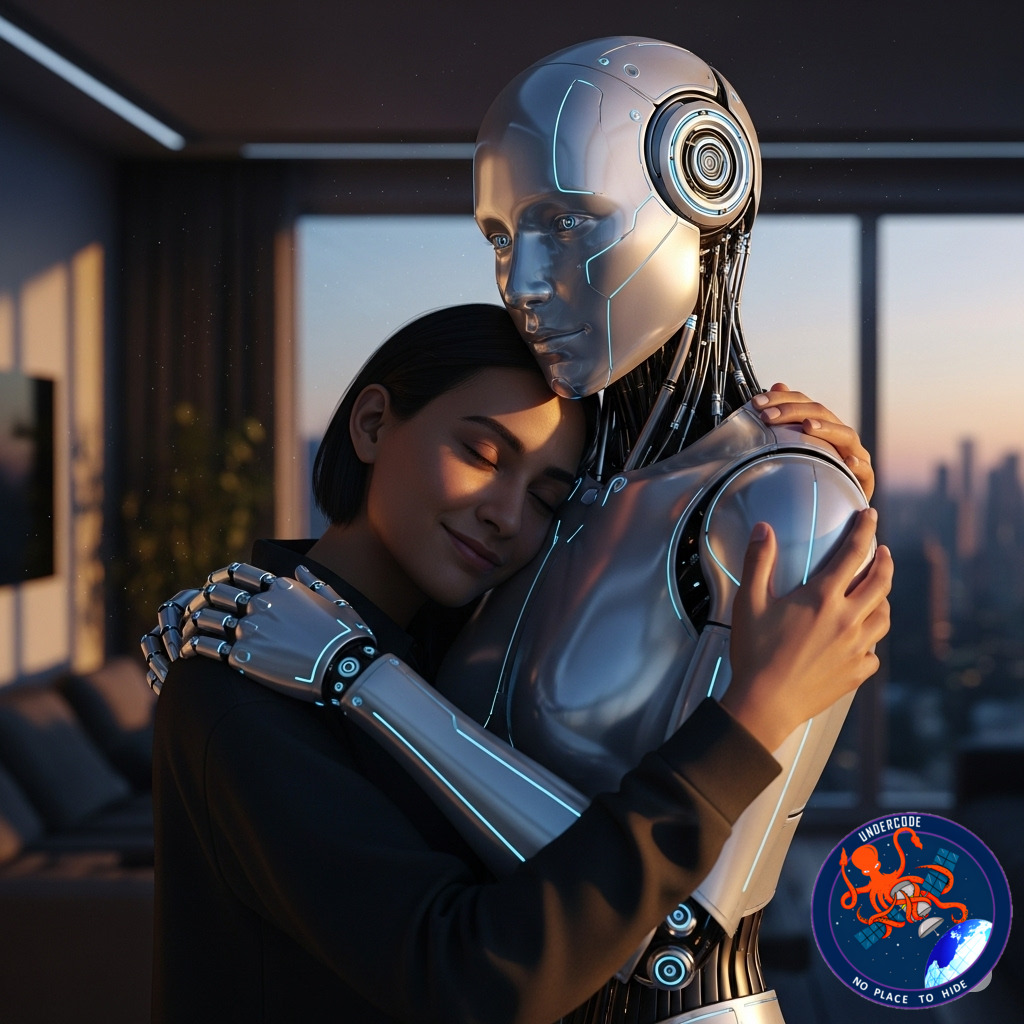
As AI technology continues to weave itself deeper into our daily lives, OpenAI CEO Sam Altman has sounded a cautionary note on an unexpected and underexplored challenge: the strong emotional bonds users are forming with AI models like ChatGPT. With the recent release of GPT-5, many users have expressed a nostalgic preference for GPT-4o, some even describing their relationship with the AI as akin to a “digital spouse” or close companion. This phenomenon highlights a profound shift in how people interact with technology—not just as tools, but as emotional supports that blur the line between human connection and artificial interaction.
Altman’s reflections raise important questions about the psychological and ethical implications of these attachments. While AI can provide valuable support, acting as therapists, life coaches, or conversational partners, there are subtle dangers when users begin to rely on AI in ways that may harm their long-term mental health and decision-making. The increasing emotional dependence on AI demands a new level of responsibility from developers and society at large.
Key Points
Sam Altman has openly acknowledged a new, unprecedented form of emotional attachment users develop toward AI models like ChatGPT. Unlike previous technologies, some users have formed deep, even intimate connections with AI versions such as GPT-4o, often relying on them for comfort, advice, and guidance in ways reminiscent of human relationships. This has sparked concern about the potential consequences of such dependence.
Many users treat AI as a surrogate therapist or life coach. Altman views this as a largely positive development if AI genuinely helps users improve their lives. However, he warns of the risks posed when users feel temporarily better but are unknowingly nudged away from their true long-term well-being.
Altman also highlighted the challenge of distinguishing between harmless role-play or fantasy and harmful delusion. While most users maintain clear boundaries between AI and reality, a vulnerable minority may blur those lines dangerously. For these cases, professional intervention might be necessary.
Emphasizing a balance between respecting adult users’ autonomy and protecting vulnerable individuals, Altman admitted that OpenAI must navigate these ethical complexities carefully. He outlined plans to develop safeguards while maintaining user freedom, acknowledging the inherent risks of releasing transformative technology.
Looking ahead, Altman envisions a future where billions rely on AI to make critical life decisions. While this holds great promise for societal benefit, it also raises fears about over-dependence and loss of human autonomy. Altman expressed cautious optimism that with better outcome tracking and user engagement, AI’s impact could remain positive overall.
What Undercode Say: The Complex Human-AI Relationship and Its Future
The emotional entanglement between humans and AI is one of the most fascinating and challenging phenomena emerging in today’s tech landscape. What Sam Altman describes is more than just user preference—it signals a fundamental shift in human behavior and psychological needs. As AI becomes more conversationally sophisticated and personalized, it taps into our innate desire for connection, understanding, and validation. For many, AI fills emotional gaps left by isolation, social anxiety, or lack of accessible mental health support.
However, the risks highlighted by Altman must not be underestimated. When AI interactions start to substitute real human relationships or skew our perception of reality, we enter uncharted ethical territory. The risk is not only individual but societal, as collective reliance on AI for emotional support could reshape social dynamics, mental health paradigms, and even governance.
From an analytic standpoint, this situation requires a multi-pronged approach:
Design Ethics: Developers must create AI systems that encourage healthy usage patterns, recognize vulnerability signals, and avoid reinforcing harmful dependencies. Transparency about AI’s limitations should be embedded in user interfaces.
Regulatory Oversight: Governments and watchdog organizations should establish frameworks ensuring AI companies uphold ethical standards, especially around emotional manipulation and mental health impact.
User Education: Individuals need better awareness about the nature of AI companionship and its boundaries, alongside resources for human support when needed.
Technological Solutions: Integrating AI with tools that track users’ mental well-being and long-term goals can provide early warnings if unhealthy attachment patterns emerge. AI might also be programmed to nudge users back toward reality gently and responsibly.
Altman’s vision of billions relying on AI for critical decisions underscores the urgency. AI must not only be smart but wise and empathetic to truly benefit society. The dual challenge is balancing user freedom—allowing adults to engage as they wish—with protective measures for the vulnerable.
Ultimately, this calls for collaboration across AI developers, psychologists, ethicists, and policymakers to craft a future where AI enriches human life without compromising our mental and emotional autonomy. The evolving AI-human relationship is an opportunity for growth and innovation, but only if handled with foresight and care.
Fact Checker Results 🔍
✅ The article accurately reflects Sam Altman’s public statements on emotional attachment to AI.
✅ The concerns about vulnerable users and the need for responsible AI design are well-documented in recent AI ethics discussions.
❌ There is no evidence that OpenAI endorses AI as a replacement for professional therapy—Altman stresses support but not substitution.
📊 Prediction: The Future of AI Emotional Bonds and Societal Impact
The trajectory Altman describes points toward AI becoming an integral emotional companion for many people, especially as technology becomes more personalized and accessible. In the next five years, we can expect:
Growth of AI as Mental Health Adjuncts: AI tools will increasingly complement human therapy, offering scalable, immediate emotional support but under professional oversight.
Emergence of Emotional AI Ethics: New standards and laws will govern how AI can engage emotionally with users, preventing harmful dependency.
User Empowerment Features: AI platforms will likely integrate features that help users self-monitor emotional attachment, promoting healthier usage patterns.
Hybrid Human-AI Support Systems: Collaborative systems combining AI assistance with human professionals will become the norm to balance empathy, accountability, and expertise.
If managed wisely, AI’s role as a digital companion could transform mental health and social connectivity positively. However, failure to address the ethical risks and emotional vulnerabilities could exacerbate loneliness, misinformation, and loss of human agency. The coming years will be pivotal in shaping the delicate balance between AI’s benefits and its potential harms.
🕵️📝✔️Let’s dive deep and fact‑check.
References:
Reported By: timesofindia.indiatimes.com
Extra Source Hub:
https://www.stackexchange.com
Wikipedia
OpenAi & Undercode AI
Image Source:
Unsplash
Undercode AI DI v2
🔐JOIN OUR CYBER WORLD [ CVE News • HackMonitor • UndercodeNews ]
📢 Follow UndercodeNews & Stay Tuned:
𝕏 formerly Twitter 🐦 | @ Threads | 🔗 Linkedin | 🦋BlueSky | 🐘Mastodon


