
Listen to this Post
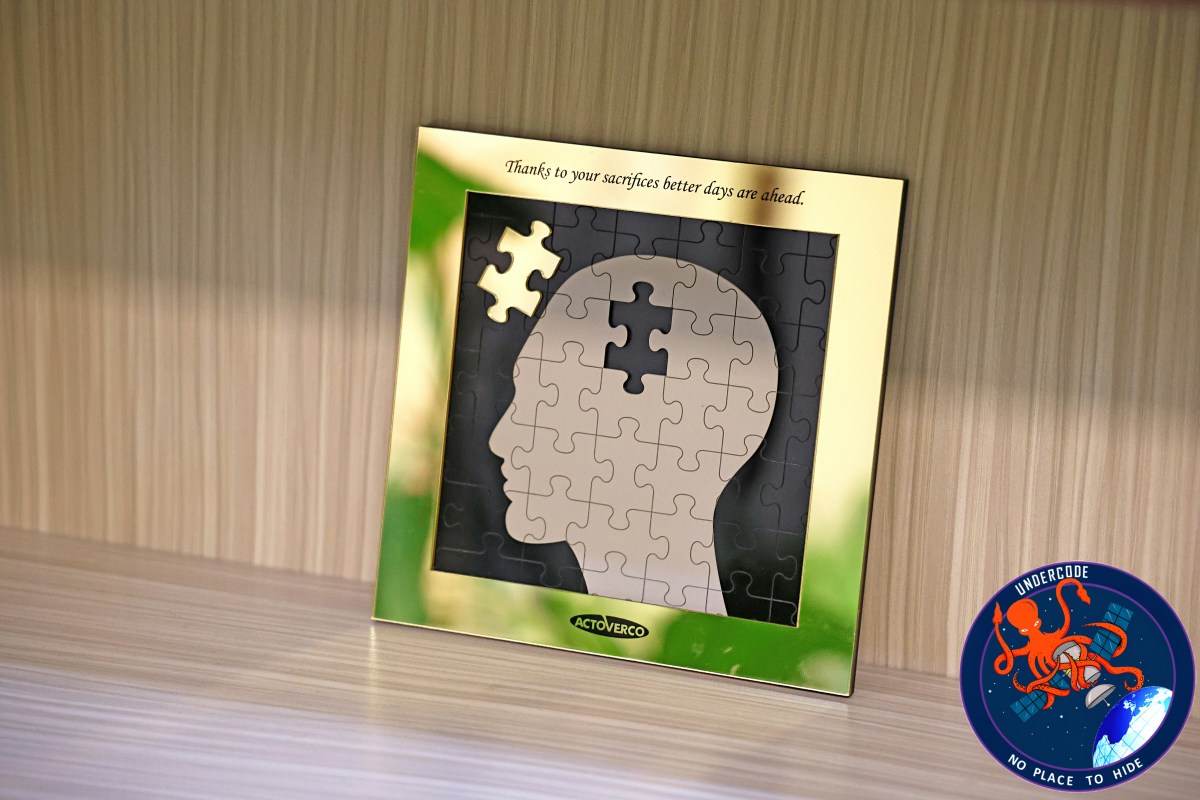
OpenAI has recently rolled out a significant update for GPT-5, aiming to make the AI more attuned to sensitive human interactions while expanding its capabilities in workplace integration. The update, shipped on October 5, focuses on improving GPT-5’s ability to recognize and respond to users experiencing emotional or mental distress, providing a more supportive conversational experience. At the same time, GPT-5 now offers improved access to organizational knowledge, allowing businesses to harness the AI for company-specific insights.
Summary of the Update
The October 5 update specifically enhances GPT-5 Instant, the faster, low-end model that is typically the default for users, especially those on free accounts. GPT-5 Instant now has the ability to identify when a user might be in emotional distress and respond appropriately. If a user engages with a GPT-5 Thinking model on a sensitive topic, the AI automatically routes the request to GPT-5 Instant to ensure the conversation is handled with care.
OpenAI emphasizes that these changes were developed in consultation with mental health experts to ensure that the AI can de-escalate conversations, offer supportive language, and direct users to real-world crisis resources when necessary. This update effectively equips GPT-5 Instant to perform on par with the more advanced GPT-5 Thinking model in sensitive scenarios.
Tests have shown that GPT-5 dynamically routes requests between models depending on the complexity or sensitivity of a question. Even when a user explicitly chooses GPT-5 Instant, the system may route the query through another model if it predicts a better response can be delivered elsewhere.
Beyond emotional support, GPT-5 now integrates with organizational tools like Slack, SharePoint, Google Drive, GitHub, HubSpot, and Asana. This enables GPT to access contextual company knowledge and provide answers tailored to specific projects, mirroring functionalities seen in Microsoft 365 Copilot. The update allows employees to leverage AI for more accurate, context-driven insights within their workflows.
These updates position GPT-5 not just as a conversational AI but as a tool capable of navigating sensitive human interactions and delivering actionable business intelligence. By combining mental health awareness with organizational knowledge, OpenAI is expanding the practical utility and trustworthiness of its AI systems.
What Undercode Say: AI Emotional Awareness Meets Workplace Intelligence
OpenAI’s latest GPT-5 update marks a notable step forward in human-centered AI. Emotionally intelligent AI has long been a challenge, with most models struggling to recognize subtle cues of distress or frustration in real time. By focusing first on GPT-5 Instant, OpenAI has ensured that the model handling the majority of users can detect signs of emotional strain and respond in a way that is both empathetic and grounded. This routing mechanism—shifting sensitive queries to a model equipped to handle them—represents a sophisticated approach to real-time AI moderation, something few competitors have achieved at this scale.
Moreover, the collaboration with mental health professionals demonstrates OpenAI’s commitment to safety and responsible AI deployment. Rather than relying solely on pre-programmed responses, the AI can provide contextually aware interventions, pointing users to resources or using supportive phrasing to prevent escalation. This is particularly critical in real-world applications, where AI interactions can influence user wellbeing.
On the organizational side, GPT-5’s ability to access company knowledge across multiple platforms is a game-changer. It shifts the AI from a generalist tool into a hyper-contextual assistant, capable of synthesizing information from internal documents, communication threads, and project data. Businesses can now deploy GPT-5 for tasks ranging from knowledge retrieval to project planning without compromising data accuracy or relevance.
The dual focus on emotional awareness and workplace integration illustrates a larger trend: AI is moving beyond task execution into domains requiring ethical sensitivity and contextual reasoning. This is especially important as companies increasingly rely on AI for decision support. By enabling GPT-5 to understand both human emotions and organizational context, OpenAI is setting a benchmark for responsible and practical AI applications.
There are, of course, limitations. GPT-5 Instant is optimized for speed, meaning that while it handles sensitive topics well, complex reasoning may still defer to the Thinking model. Users and organizations must understand these nuances to maximize performance and reliability. However, the update reflects a broader shift in AI development: prioritizing empathy, real-time reasoning, and actionable intelligence simultaneously.
Ultimately, this update could influence how AI is perceived across industries, from mental health support services to enterprise productivity tools. Emotional awareness in AI could become a standard expectation rather than a niche feature, while integration with company knowledge systems may drive faster adoption in corporate environments. The combination is poised to enhance user trust, engagement, and productivity, positioning GPT-5 as a versatile and responsible AI solution.
🔍 Fact Checker Results
✅ OpenAI shipped the GPT-5 Instant update on October 5, 2025.
✅ GPT-5 Instant now handles sensitive emotional situations with routing and supportive guidance.
✅ GPT-5 can access organizational data via Slack, SharePoint, Google Drive, and other tools.
📊 Prediction
We anticipate that GPT-5’s emotional and organizational intelligence will spur wider adoption in both personal and professional contexts. 🤖 Companies may increasingly rely on AI assistants for project management, internal knowledge retrieval, and employee support, while mental health-focused AI could see broader implementation in crisis prevention and emotional wellbeing tools. Expect competitors to follow suit, emphasizing empathetic AI and context-aware intelligence as core differentiators. 🌐
🕵️📝✔️Let’s dive deep and fact‑check.
References:
Reported By: www.bleepingcomputer.com
Extra Source Hub (Possible Sources for article):
https://www.discord.com
Wikipedia
OpenAi & Undercode AI
Image Source:
Unsplash
Undercode AI DI v2
Bing
🔐JOIN OUR CYBER WORLD [ CVE News • HackMonitor • UndercodeNews ]
📢 Follow UndercodeNews & Stay Tuned:
𝕏 formerly Twitter 🐦 | @ Threads | 🔗 Linkedin | 🦋BlueSky | 🐘Mastodon


