
Listen to this Post
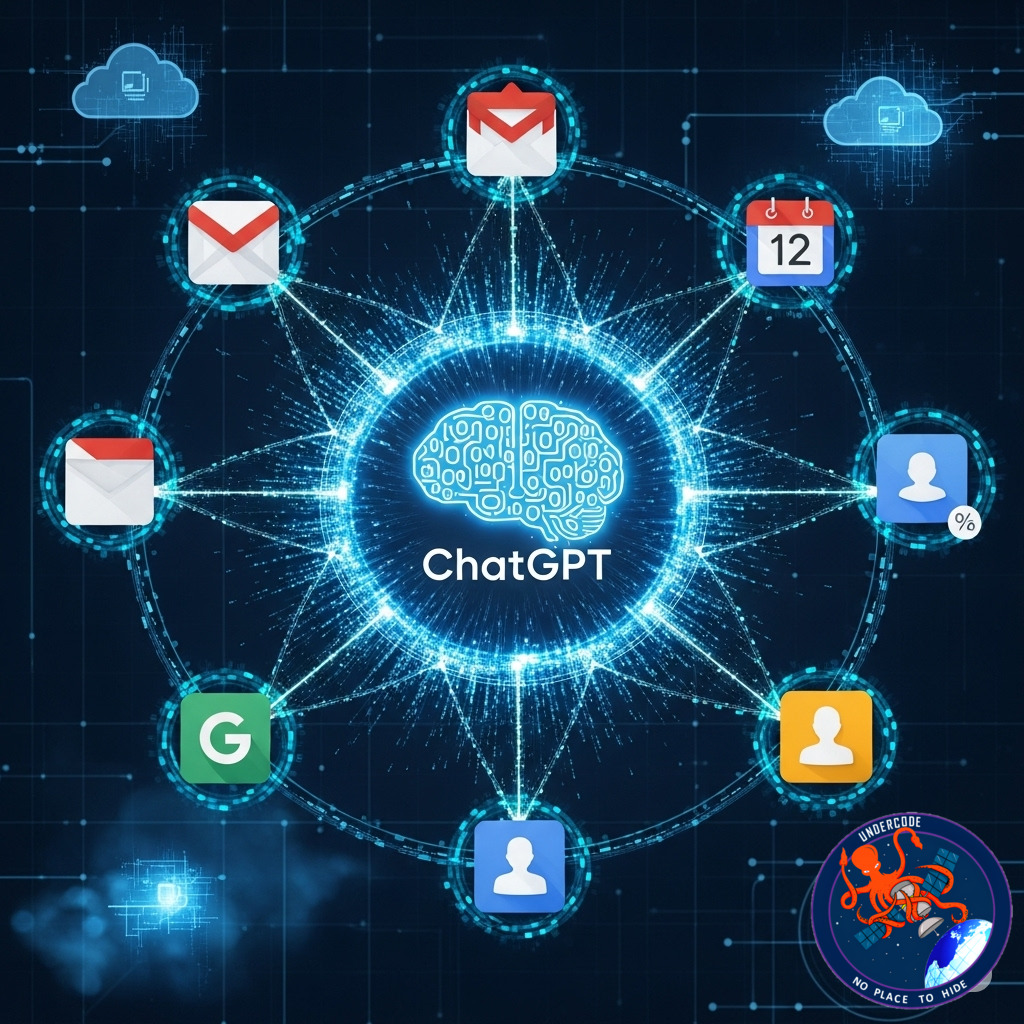
The Expanding Reach of AI in Personal Data Integration
OpenAI is taking ChatGPT into new territory, offering it the ability to connect directly with your Gmail, Google Calendar, and Google Contacts. This move is part of a broader expansion of Connectors, a feature designed to link third-party services to ChatGPT so it can reference your personal data in conversations. By integrating these tools, the AI assistant could pull up your upcoming meetings, reference past emails, or retrieve contact details without you having to manually search or copy information.
These new integrations join existing services like Dropbox, where users can already allow ChatGPT to sift through stored files and use them as context for research or responses. Now, with Google service access, OpenAI aims to make information retrieval smoother and more intuitive.
The rollout begins this week for Pro users globally, with Plus, Team, Enterprise, and Edu customers gaining access in the coming weeks. Activating the feature is straightforward: users navigate to Settings → Connectors → Connect and choose the Google service they want to link. If deep research access has already been granted to Gmail or Calendar, enabling Connectors is unnecessary, as the AI can already draw on that information.
The underlying pitch is convenience — faster responses, richer answers, and less manual input. But it also raises questions about how much personal information users are comfortable placing in AI’s hands. The development comes as broader cybersecurity concerns continue to dominate headlines. A Picus Blue Report 2025 warns that password cracking incidents have surged, with 46% of environments compromised compared to just 25% last year. This stark statistic highlights the growing tension between convenience and security in a digital world that is rapidly embracing AI-driven tools.
What Undercode Say:
Strategic Expansion into Personal Data Ecosystems
OpenAI’s decision to integrate Google services directly into ChatGPT represents a calculated move toward embedding AI assistants into the core of users’ daily workflows. By aligning with email, calendar, and contact systems, OpenAI is positioning ChatGPT not just as a chatbot but as a personalized productivity hub. This shifts the AI from reactive answers to proactive, context-aware assistance, capable of managing tasks, recalling relevant data, and streamlining complex information retrieval.
The Allure of Frictionless AI Assistance
The obvious appeal is speed and convenience. Users no longer have to copy-paste meeting details or search through emails when ChatGPT can do it instantly. In business contexts, this could lead to improved decision-making and faster client communications. In personal life, it could mean automated reminders, quick replies, and seamless planning. The AI becomes less of a passive tool and more of an active digital partner.
Privacy as the Flashpoint
However, this advancement is not without controversy. Integrating deeply personal data like emails and contacts raises critical privacy concerns. While OpenAI insists on user-controlled opt-ins, history shows that users often underestimate the risks of granting such access. The integration creates potential attack surfaces for malicious actors, particularly if account credentials or token permissions are compromised.
Cybersecurity Context and the Rising Threat Landscape
The timing is noteworthy — the same report cited in the article warns of a massive increase in password cracking incidents. This surge suggests that cybercriminals are increasingly sophisticated, making the integration of AI with sensitive accounts a tempting target. A compromised AI connector could act as a single gateway to a user’s entire digital footprint, from personal emails to confidential work meetings.
Economic Incentives and Data Monetization Concerns
Critics argue that behind the push for convenience lies a powerful economic incentive: data. The more personal context ChatGPT can access, the more valuable it becomes — not just to users, but to OpenAI and its potential commercial partners. While there is no evidence that OpenAI sells user data, the fear of monetization lingers, especially in a tech industry where data brokerage is a multi-billion-dollar market.
Long-Term Implications for AI Adoption
If successful, Google Connectors could cement ChatGPT’s place in everyday digital life, making it an indispensable assistant for both individuals and enterprises. But if privacy breaches or data misuse occur, the backlash could be severe, stalling adoption and fueling distrust. This is the high-stakes gamble: either redefine productivity or risk alienating users who are already skeptical about AI’s data appetite.
🔍 Fact Checker Results:
✅ Yes — OpenAI has confirmed the rollout of Gmail, Google Calendar, and Google Contacts Connectors for ChatGPT Pro users.
✅ Yes — The feature is set to expand to Plus, Team, Enterprise, and Edu users in the coming weeks.
❌ No — There is no verified evidence that OpenAI sells user data to third parties.
📊 Prediction:
Given the rapid integration of productivity tools into ChatGPT, adoption among professionals will likely accelerate within the next 12 months. However, privacy controversies and potential cybersecurity incidents could slow uptake, especially among enterprise clients. If OpenAI addresses security concerns effectively, it could set a new standard for AI-assisted productivity — but public trust will remain the deciding factor.
🕵️📝✔️Let’s dive deep and fact‑check.
References:
Reported By: www.bleepingcomputer.com
Extra Source Hub:
https://www.reddit.com/r/AskReddit
Wikipedia
OpenAi & Undercode AI
Image Source:
Unsplash
Undercode AI DI v2
🔐JOIN OUR CYBER WORLD [ CVE News • HackMonitor • UndercodeNews ]
📢 Follow UndercodeNews & Stay Tuned:
𝕏 formerly Twitter 🐦 | @ Threads | 🔗 Linkedin | 🦋BlueSky | 🐘Mastodon


