Listen to this Post
2025-02-14
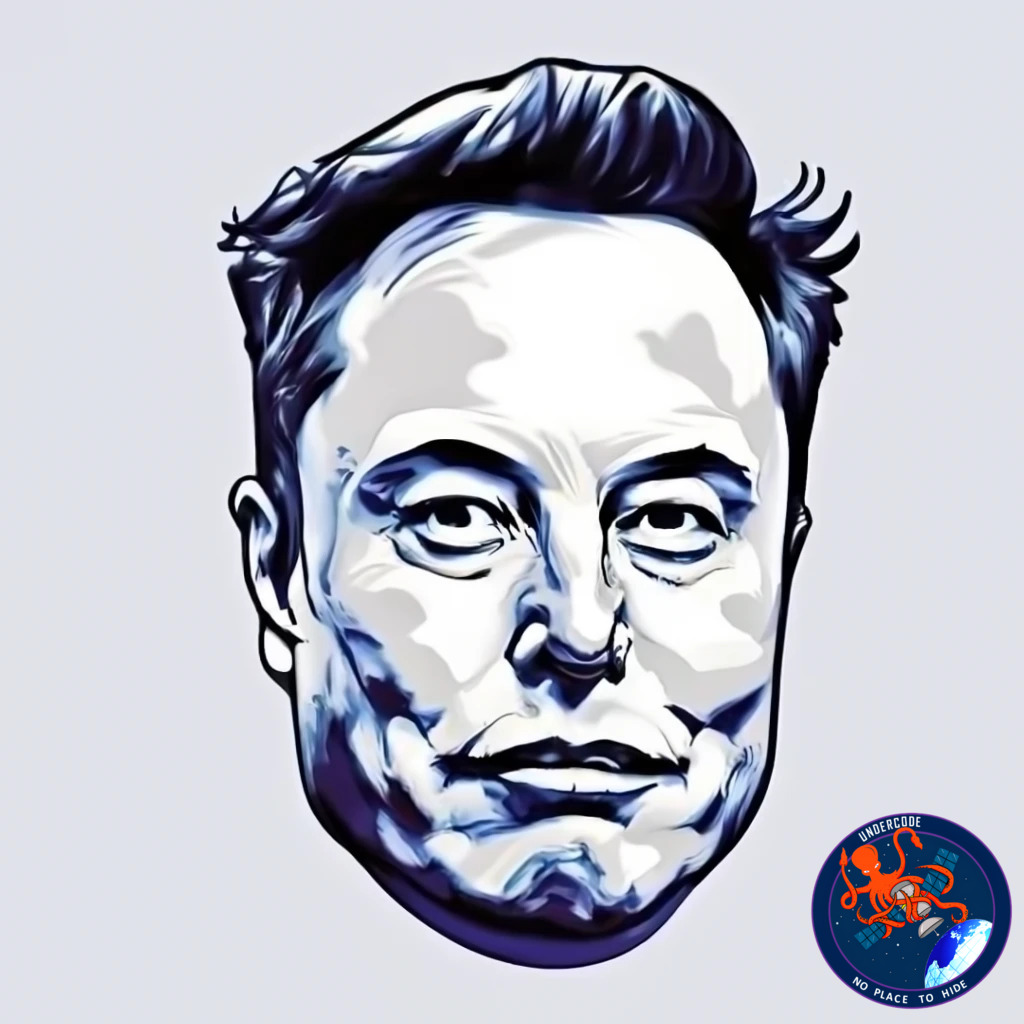
On February 14, OpenAI officially rejected a $97.4 billion buyout proposal from a group of investors led by Elon Musk. The decision was made by OpenAI’s governing nonprofit board, which serves as the decision-making body for the company. Despite the offer, OpenAI reaffirmed its commitment to restructuring its operations to prioritize for-profit initiatives.
the Situation:
Elon Musk, the CEO of Tesla and SpaceX, made a bold move on February 10 by offering to purchase OpenAI, the artificial intelligence research organization, which has been in the spotlight due to its successful products like ChatGPT. The $97.4 billion buyout would have given Musk and his investor group control over the nonprofit portion of OpenAI, which currently oversees the company’s AI development and business strategies.
However, OpenAI’s board, which is responsible for overseeing the nonprofit’s operations, unanimously decided to reject the acquisition. OpenAI’s leadership, including CEO Sam Altman, emphasized that the company intends to continue its transformation into a profit-driven model, focusing on advancing artificial intelligence technologies and expanding their commercialization efforts. This rejection is part of a broader trend in Silicon Valley where companies are increasingly adopting for-profit structures while maintaining some level of nonprofit oversight.
What Undercode Says:
The refusal of Elon
Musk has always been vocal about his concerns regarding artificial intelligence and its potential risks. His initiatives, such as the founding of OpenAI itself and his subsequent departure from the organization, suggest that he believes there needs to be more regulation and control over AI. However, Musk’s acquisition proposal also underscores a growing desire to dominate the AI space and harness its capabilities for his business ventures, such as Tesla’s self-driving technology and SpaceX’s reliance on AI for spacecraft systems.
For OpenAI, rejecting Musk’s buyout is a crucial move in solidifying its independence. By reinforcing its commitment to a for-profit model, OpenAI aims to secure the financial resources and autonomy needed to compete with other tech giants such as Google, Microsoft, and Amazon. These companies have been pouring billions into their AI endeavors, and OpenAI must have the flexibility to scale up quickly if it is to stay competitive.
However, the question remains: Can a company that was originally established as a nonprofit maintain its edge in such a highly competitive, fast-paced industry while navigating the challenges that come with for-profit commercialization? OpenAI is currently at a crossroads, as it balances the ethical considerations and societal impacts of AI with the pressures of generating profit.
This dynamic between nonprofit and for-profit models in the AI space could have long-lasting effects on how artificial intelligence is developed and deployed. OpenAI’s decision to focus more on revenue-driven projects could signal a shift in the way we approach AI technology. In the past, the focus was largely on ensuring that AI benefited society as a whole, but now, with billions of dollars on the line, companies are increasingly looking to profit from these innovations.
Musk’s rejection also raises questions about the role of large corporations in AI research. With players like Microsoft already investing heavily in OpenAI, there is a real risk that AI could become monopolized by a few major players, limiting the diversity of ideas and the ethical considerations that come with them. OpenAI’s resistance to Musk’s buyout could be seen as an attempt to keep its AI development more decentralized, though time will tell whether this will be sustainable in the long run.
Ultimately, the rejection of
References:
Reported By: Xtech.nikkei.com_b7af3cf6dd918cdc62128ec2
https://www.twitter.com
Wikipedia: https://www.wikipedia.org
Undercode AI: https://ai.undercodetesting.com
Image Source:
OpenAI: https://craiyon.com
Undercode AI DI v2: https://ai.undercode.help