
Listen to this Post
Introduction
In a digital age where cybercrime grows more advanced each year, the case of RapperBot stands out as one of the most alarming. A 22-year-old man from Oregon has been accused of masterminding a powerful botnet-for-hire operation that wreaked havoc across more than 80 countries. This isn’t just another hacker story — it’s a chilling look at how one individual allegedly leveraged malware, brute-force attacks, and criminal marketplaces to build a multi-national cyberweapon capable of taking down major platforms and even extorting victims.
The Story of RapperBot
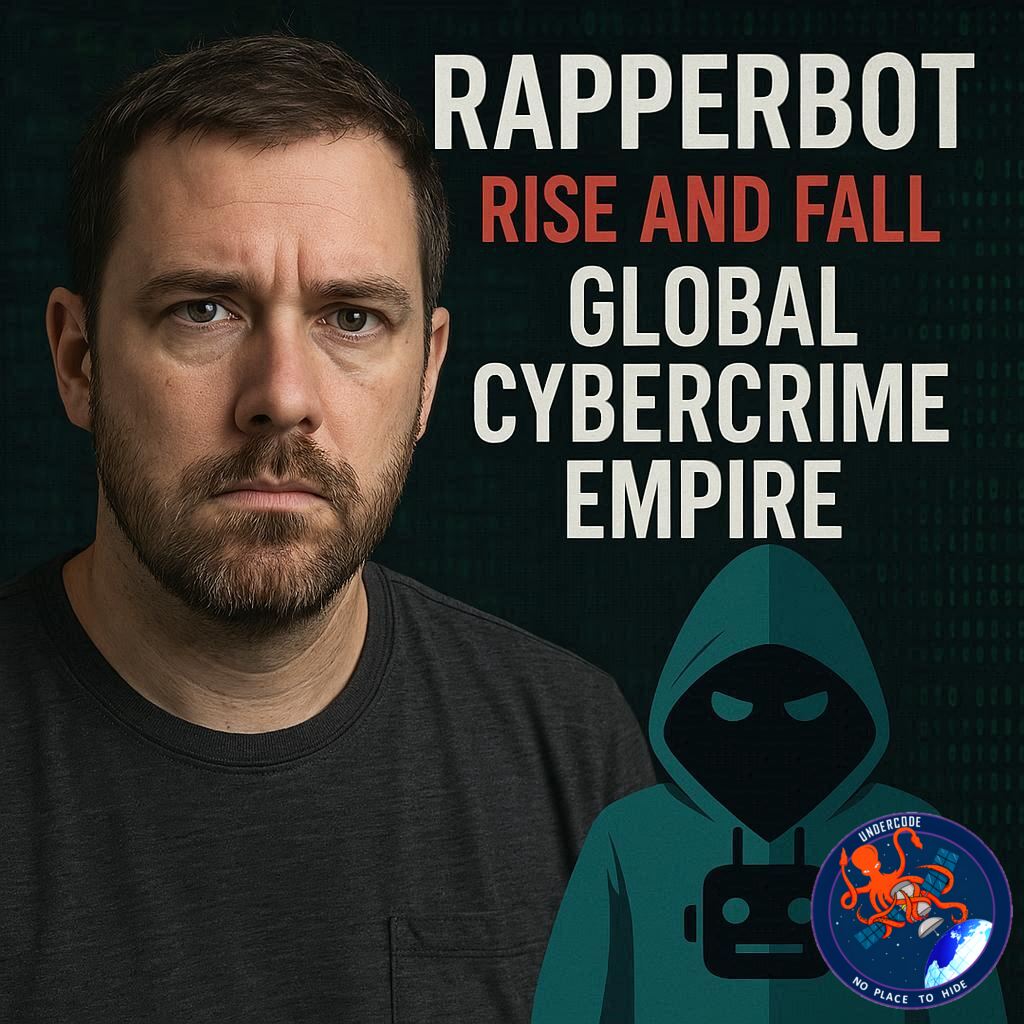
Authorities have charged Ethan Foltz, 22, from Eugene, Oregon, with creating and running RapperBot, a notorious DDoS-for-hire service. According to the U.S. Department of Justice (DoJ), the botnet has been operational since at least 2021, conducting large-scale cyberattacks on organizations worldwide.
Foltz faces one count of aiding and abetting computer intrusions, which carries a maximum prison sentence of 10 years. A search of his residence on August 6, 2025, allowed investigators to seize control of the botnet’s infrastructure, effectively dismantling one of the most dangerous cybercrime tools in recent history.
The botnet, also known as “Eleven Eleven Botnet” and “CowBot”, primarily infected vulnerable devices such as Wi-Fi routers and Digital Video Recorders (DVRs). Using brute-force attacks through SSH and Telnet, it transformed ordinary devices into soldiers of a malicious cyber army.
Clients who paid for access to RapperBot could command thousands of infected devices to flood target servers with overwhelming traffic, effectively knocking them offline. Reports show that the botnet carried out over 370,000 attacks between April and August 2025, targeting 18,000 victims across the U.S., China, Japan, Ireland, and Hong Kong.
What made RapperBot more dangerous than previous botnets such as Mirai and Satori was its dual purpose. Not only could it execute massive DDoS campaigns reaching speeds of up to 6 Tbps, but it also secretly engaged in cryptojacking, using compromised devices to mine Monero cryptocurrency.
Investigators linked Foltz to RapperBot through digital breadcrumbs — including IP addresses tied to his PayPal, Gmail, and ISP accounts. They even discovered that Foltz had Googled the name RapperBot more than 100 times, unknowingly leaving behind a trail of evidence.
The case falls under Operation PowerOFF, a global initiative aimed at dismantling criminal DDoS-for-hire infrastructures. With RapperBot’s takedown, one of the most dangerous tools in the cybercrime underground has been neutralized.
What Undercode Say:
The RapperBot case highlights more than just the arrest of a young hacker; it exposes the evolution of cybercrime as a business model. Botnets are no longer just tools for chaos — they are profit-driven engines blending cyber extortion, malware-as-a-service, and cryptojacking into a single package.
From a cybersecurity perspective, the most striking detail is RapperBot’s scale and sophistication. Traditional DDoS attacks have always been disruptive, but the sheer magnitude of 6 Tbps shows how attackers are leveraging compromised IoT devices to amplify their power. With the rise of smart home technology, the attack surface for such threats continues to expand.
Another alarming element is how RapperBot moved beyond simple denial-of-service to integrate Monero mining. This hybrid approach demonstrates that cybercriminals are maximizing profits by combining multiple attack vectors. Victims weren’t just facing downtime — their devices were silently hijacked to generate cryptocurrency, draining both performance and electricity.
Economically, the DDoS-for-hire model has become appealing to cybercriminals because it lowers the barrier of entry. Customers without any hacking skills could purchase devastating attacks for a fee, making global-scale cyber disruption accessible to almost anyone. This democratization of cybercrime is one of the biggest dangers moving forward.
Legally, the case serves as a wake-up call. While Foltz faces up to 10 years in prison, experts argue that the penalties for cybercrime often lag behind the damage inflicted. A single botnet attack can cost corporations millions in downtime, ransom payments, and recovery, yet the punishment rarely reflects that scale.
From a technical perspective, RapperBot’s reliance on brute-forcing SSH and Telnet highlights ongoing weaknesses in cybersecurity hygiene. Many IoT devices still ship with default passwords, making them easy prey for botnets. Despite years of warnings, manufacturers and users alike continue to neglect basic security practices.
Operation PowerOFF demonstrates that law enforcement agencies are improving their coordination, but the reality is that cybercrime is global, decentralized, and fast-moving. Taking down one botnet is a victory, but dozens more are always waiting in the shadows.
This case also reveals the psychological profile of modern hackers. Foltz was just 22 — not a shadowy mastermind in a foreign country, but a young American exploiting global vulnerabilities from his bedroom. The accessibility of malware code and hacking communities online is creating a new wave of cybercriminals who are tech-savvy, ambitious, and increasingly entrepreneurial.
For businesses and governments, the RapperBot saga underscores the urgent need for proactive defense strategies. Relying on traditional firewalls and antivirus software is no longer enough; organizations must adopt AI-driven threat detection, zero-trust frameworks, and continuous monitoring to defend against botnets of this scale.
Most importantly, the RapperBot case teaches us that cybersecurity is no longer just a technical issue — it’s an economic, legal, and geopolitical concern. Attacks of this magnitude can disrupt financial systems, weaken infrastructure, and even serve as tools of cyber warfare if they fall into the wrong hands.
✅ Fact Checker Results
Ethan Foltz, 22, was officially charged with operating RapperBot.
The botnet carried out hundreds of thousands of DDoS attacks worldwide.
RapperBot also expanded into cryptojacking to mine Monero.
🔮 Prediction
The fall of RapperBot will not end DDoS-for-hire services. Instead, it is likely to inspire new and more advanced botnets that will combine AI-driven attacks, cryptomining, and ransomware extortion. In the next few years, cybercrime syndicates may focus on targeting critical infrastructure, such as energy grids and healthcare systems, with even more devastating precision.
🕵️📝✔️Let’s dive deep and fact‑check.
References:
Reported By: thehackernews.com
Extra Source Hub:
https://www.stackexchange.com
Wikipedia
OpenAi & Undercode AI
Image Source:
Unsplash
Undercode AI DI v2
🔐JOIN OUR CYBER WORLD [ CVE News • HackMonitor • UndercodeNews ]
📢 Follow UndercodeNews & Stay Tuned:
𝕏 formerly Twitter 🐦 | @ Threads | 🔗 Linkedin | 🦋BlueSky | 🐘Mastodon


