
Listen to this Post
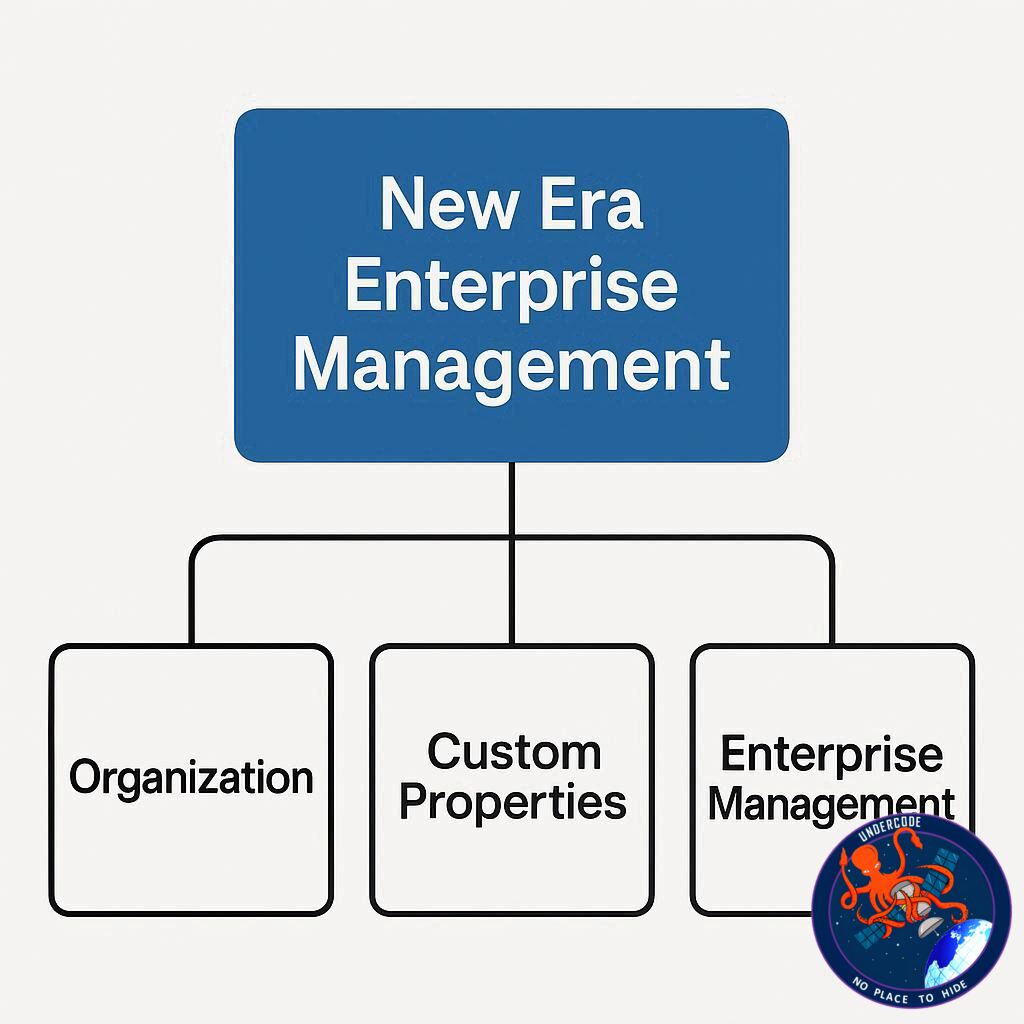
In the fast-evolving world of enterprise software management, customization and precision have become more than just conveniences—they’re necessities. GitHub has now introduced organization custom properties, a feature that promises to transform how enterprises manage their organizations. Available in public preview, this tool allows administrators to add rich metadata to their organizations, enabling highly targeted rulesets and streamlining compliance and security processes. This feature is designed to save time, reduce errors, and give organizations unparalleled control over policy enforcement.
What Are Organization Custom Properties?
Organization custom properties function similarly to repository-level custom properties but operate at the enterprise organization level. They allow you to define and attach metadata to each organization in your enterprise, giving you the power to create policies tailored to each organization’s unique characteristics. Whether you want to differentiate by department, compliance requirements, geographic location, or other key factors, organization custom properties make it possible.
By adding this metadata, enterprises can now automate policy enforcement based on the unique properties of each organization, reducing manual configuration and minimizing mistakes. This ensures that the right rules apply to the right teams at the right time, enhancing both efficiency and security.
Better Targeting for Enterprise Rulesets
The introduction of organization custom properties provides several significant advantages:
Time-saving automation: Policies can now automatically target organizations based on their custom properties, eliminating the need for manual setup.
Improved security and compliance: Ensures that each organization adheres to the correct security and compliance protocols, tailored to its specific needs.
Enhanced flexibility and control: Administrators can create policies that reflect the unique requirements of each organization within the enterprise.
This targeted approach reduces errors, simplifies management, and strengthens overall governance.
How It Works
Enterprise administrators can define custom properties at the enterprise level and assign values to individual organizations. Properties can take several forms:
Single-select: Pick one value from a predefined list.
Multi-select: Choose multiple values from a predefined list.
Text: Enter free-form text.
True/false: Assign a boolean value.
This versatility allows organizations to categorize and segment their internal structure in ways that align with business goals and operational needs.
Limits and Constraints
While the feature is powerful, there are some constraints to be aware of:
Up to 100 property definitions per enterprise.
Each allowed value list can include up to 200 items.
Property names may include only: letters (a-z, A-Z), numbers (0-9), and special characters (_, -, $, ).
Property values can contain all printable ASCII characters except for the double quote (“).
These limits ensure manageability while still providing ample flexibility for enterprise-scale operations.
Getting Started
To start using organization custom properties, enterprise administrators can navigate to the custom properties section within their enterprise settings. GitHub encourages users to provide feedback during the public preview through the GitHub Community, helping refine the feature before its full release.
What Undercode Say:
Organization custom properties represent a significant leap in enterprise governance. By enabling administrators to add metadata to organizations, GitHub is not just simplifying policy enforcement—it’s introducing a strategic layer of intelligence into enterprise management. The ability to define custom properties by department, region, or compliance status allows organizations to automate decisions that previously required manual oversight.
This feature could transform how enterprises approach security and compliance. Instead of blanket policies that might be overly restrictive or inconsistent, companies can implement nuanced rulesets that adapt to the specific requirements of each organizational unit. This not only reduces the risk of human error but also enhances operational efficiency.
Additionally, the flexibility of property types—single-select, multi-select, text, and boolean—means that administrators can capture both structured and unstructured data about their organizations. This opens the door for more sophisticated workflows and automation, particularly when integrated with other GitHub tools like Actions and advanced repository management.
However, enterprises must carefully plan their property definitions to avoid exceeding the limits of 100 properties or 200 allowed values per list. Thoughtful property management will be critical to unlocking the full potential of this feature without introducing unnecessary complexity.
Moreover, this innovation signals a broader trend in enterprise software: metadata-driven automation. Companies increasingly demand tools that adapt intelligently to the context of their organization, and GitHub’s custom properties align perfectly with that vision. Enterprises that leverage this capability effectively can achieve better compliance, enhanced security posture, and faster response times to internal policy needs.
From a strategic perspective, organization custom properties could also foster a culture of accountability. Teams can be assessed and monitored based on clearly defined attributes, making it easier to track compliance and performance. Over time, this could influence decision-making at the enterprise level, leading to more data-driven management practices.
This feature also empowers smaller organizations within large enterprises to operate with the precision of larger teams. By tagging organizations with meaningful properties, administrators can ensure that even the smallest units receive the appropriate policies and support without requiring bespoke configurations for each case.
In summary, organization custom properties are not just a technical upgrade—they’re a strategic tool for enterprise intelligence. They bridge the gap between policy management and organizational insight, making compliance, security, and operational efficiency more achievable than ever.
Fact Checker Results:
✅ Organization custom properties allow adding metadata to organizations for targeted policy enforcement.
✅ Supports single-select, multi-select, text, and boolean property types with specific constraints.
❌ Currently limited to 100 properties per enterprise and 200 allowed values per property list.
Prediction:
As adoption grows, GitHub organization custom properties will likely become a standard for enterprise governance, especially for organizations managing multiple departments or regions. 🚀 Enterprises that integrate this feature effectively may see measurable reductions in compliance errors and operational inefficiencies. Metadata-driven automation will increasingly guide enterprise decision-making, turning policy enforcement from a manual chore into an intelligent, automated process.
🕵️📝✔️Let’s dive deep and fact‑check.
References:
Reported By: github.blog
Extra Source Hub (Possible Sources for article):
https://www.digitaltrends.com
Wikipedia
OpenAi & Undercode AI
Image Source:
Unsplash
Undercode AI DI v2
Bing
🔐JOIN OUR CYBER WORLD [ CVE News • HackMonitor • UndercodeNews ]
📢 Follow UndercodeNews & Stay Tuned:
𝕏 formerly Twitter 🐦 | @ Threads | 🔗 Linkedin | 🦋BlueSky | 🐘Mastodon


