
Listen to this Post
Introduction
Wearable technology has evolved far beyond counting steps and tracking calories. Devices like the Apple Watch and the Oura Ring are now becoming important tools for preventive healthcare, helping millions of users monitor sleep quality, heart rate, oxygen levels, stress, and overall wellness in real time. One of the most significant areas where these devices are making an impact is sleep health — particularly in detecting dangerous conditions that often go unnoticed for years.
Among these conditions, obstructive sleep apnea (OSA) stands out as one of the most serious and potentially life-threatening disorders. Many people suffer from it without even realizing it, while symptoms like fatigue, poor concentration, and daytime exhaustion are often ignored or blamed on stress. Oura is now pushing its wearable ecosystem further by introducing expanded sleep apnea support through a partnership with healthcare technology company Resmed. The goal is not just detection, but helping users take meaningful medical action before the condition becomes severe.
Oura Ring Expands Beyond Fitness Tracking
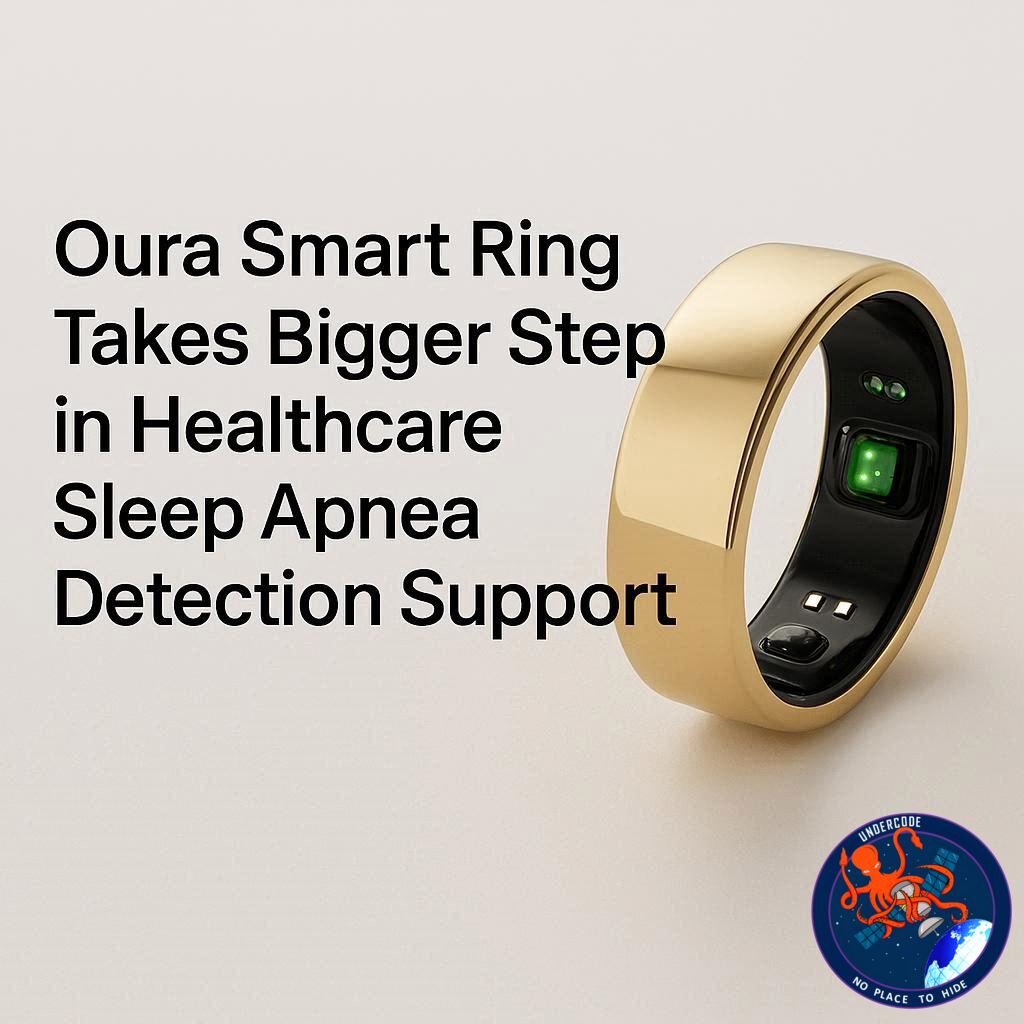
The latest update to the Oura ecosystem focuses heavily on identifying warning signs linked to obstructive sleep apnea. The smart ring already tracks respiration rate and blood oxygen saturation during sleep, allowing it to detect irregular breathing patterns commonly associated with OSA.
Previously, the app would simply alert users that their sleep data showed potential signs of concern and recommend seeking medical advice. Now, Oura is expanding the process into a more connected healthcare experience.
Users who may show symptoms of sleep apnea will now receive access to several additional support options. These include educational sleep-health resources, detailed sleep assessments, and guidance designed to help them better understand what might be happening during their sleep cycles.
The partnership with Resmed also introduces the ability for users to connect directly with independent healthcare providers, either virtually or through in-person consultations. This creates a smoother path between wearable health monitoring and actual medical evaluation, reducing the barriers many people face when seeking diagnosis or treatment.
Oura is additionally providing informative guides that users can bring to their healthcare providers, helping facilitate more productive conversations about symptoms, sleep quality, and long-term health risks.
According to Oura’s Chief Medical Officer, Dr. Ricky Bloomfield, many people live for years with undiagnosed breathing problems during sleep without understanding the damage being caused to their bodies. The company believes that continuous sleep monitoring paired with easier healthcare access could significantly improve early detection and treatment rates.
The feature is currently available only in the United States and requires either a third-generation or fourth-generation Oura Ring with an active subscription plan.
Why Obstructive Sleep Apnea Is So Dangerous
Obstructive sleep apnea is far more serious than occasional snoring or restless sleep. It occurs when the airway repeatedly collapses during sleep, temporarily stopping breathing and reducing oxygen levels in the body. These interruptions can happen dozens or even hundreds of times every night.
The consequences are severe. Medical researchers have linked untreated sleep apnea to cardiovascular disease, high blood pressure, metabolic disorders, cognitive decline, depression, anxiety, and chronic fatigue. Sleep fragmentation also prevents the brain and body from fully recovering during rest.
The condition affects an estimated 936 million adults worldwide between the ages of 30 and 69, making it one of the most widespread sleep disorders globally.
Another major danger comes from excessive daytime sleepiness. Drivers suffering from untreated OSA are significantly more likely to fall asleep behind the wheel, increasing the risk of fatal traffic accidents.
Because many people never undergo formal sleep studies, wearable devices are increasingly becoming an early warning system capable of identifying abnormal nighttime patterns before the disorder escalates.
What Undercode Says:
The expansion of Oura’s sleep apnea support reflects a much larger shift happening inside the wearable technology industry. Smart devices are no longer positioning themselves purely as lifestyle gadgets — they are rapidly evolving into medical-adjacent monitoring systems that could eventually become integrated into mainstream healthcare.
This transition is extremely important because traditional healthcare systems often struggle with preventive care. Many dangerous conditions are diagnosed only after symptoms become severe enough to interfere with daily life. Wearables change this dynamic by continuously collecting biometric data every night, every day, and over long periods of time.
Oura’s partnership with Resmed demonstrates how consumer electronics companies are starting to collaborate directly with healthcare specialists instead of operating separately. That strategy increases credibility while also helping wearable brands move closer toward medical-grade relevance.
However, there are also important limitations and concerns that users should understand.
First, wearable devices cannot officially diagnose obstructive sleep apnea on their own. They can only identify patterns that may indicate elevated risk. A proper medical diagnosis still requires professional evaluation and often a formal sleep study. This distinction is critical because false positives or false reassurance could create confusion among users.
Second, subscription-based healthcare features raise accessibility questions. While Oura provides sophisticated tracking capabilities, some users may be unable or unwilling to pay recurring fees to access health insights. As healthcare increasingly intersects with consumer technology, subscription models could become controversial.
Privacy is another major factor. Sleep data, oxygen saturation trends, respiratory metrics, and behavioral patterns represent highly sensitive personal health information. As wearable companies collect larger volumes of biometric data, users will likely demand stronger transparency regarding storage, sharing, and medical partnerships.
Despite these concerns, the broader direction appears inevitable. Devices like the Apple Watch already detect irregular heart rhythms, falls, temperature changes, and emergency events. Oura is focusing heavily on sleep and recovery analytics. Other companies are exploring glucose monitoring, blood pressure tracking, hydration analysis, and emotional stress detection.
The long-term implication is that wearable technology could fundamentally change how healthcare works. Instead of patients visiting doctors only after symptoms appear, continuous monitoring may eventually allow early intervention before serious damage occurs.
Sleep health specifically is becoming one of the most valuable sectors in digital health technology because poor sleep impacts nearly every aspect of physical and mental wellness. Companies that successfully combine reliable sleep analytics with actionable medical pathways may dominate the next phase of consumer health innovation.
Oura’s latest move also highlights an important psychological benefit of wearables: reassurance. Many users report feeling more informed and proactive about their health after tracking long-term trends. Even when the data reveals potential issues, early awareness can encourage lifestyle improvements or medical consultations that might otherwise never happen.
At the same time, over-reliance on wearable metrics can increase anxiety for some individuals. Constant monitoring may create unhealthy obsession with sleep scores, oxygen numbers, and biometric fluctuations. Balancing awareness with mental well-being will remain a challenge as these devices become more advanced.
Overall, Oura’s new sleep apnea initiative represents more than a feature update. It is another signal that wearable technology is steadily crossing the boundary between wellness products and healthcare infrastructure.
🔍 Fact Checker Results
✅ Oura Rings can monitor respiration rate and blood oxygen levels during sleep, which may help detect signs associated with obstructive sleep apnea.
✅ Oura partnered with Resmed to expand sleep-health guidance and healthcare access options for users in the United States.
❌ The Oura Ring cannot independently provide an official medical diagnosis for obstructive sleep apnea without professional medical evaluation.
📊 Prediction
Wearable companies will increasingly partner with healthcare providers and insurance networks over the next five years, transforming smart devices into frontline health-monitoring platforms. Sleep analysis, cardiovascular monitoring, and early disease detection are likely to become standard features across premium wearables, while regulatory pressure will grow around medical accuracy, privacy protections, and subscription-based health services.
🕵️📝Let’s dive deep and fact‑check.
References:
Reported By: 9to5mac.com
Extra Source Hub (Possible Sources for article):
https://www.quora.com
Wikipedia
OpenAi & Undercode AI
Image Source:
Unsplash
Undercode AI DI v2
Bing
🔐JOIN OUR CYBER WORLD [ CVE News • HackMonitor • UndercodeNews ]
📢 Follow UndercodeNews & Stay Tuned:
𝕏 formerly Twitter 🐦 | @ Threads | 🔗 Linkedin | 🦋BlueSky | 🐘Mastodon | 📺Youtube


