
Listen to this Post
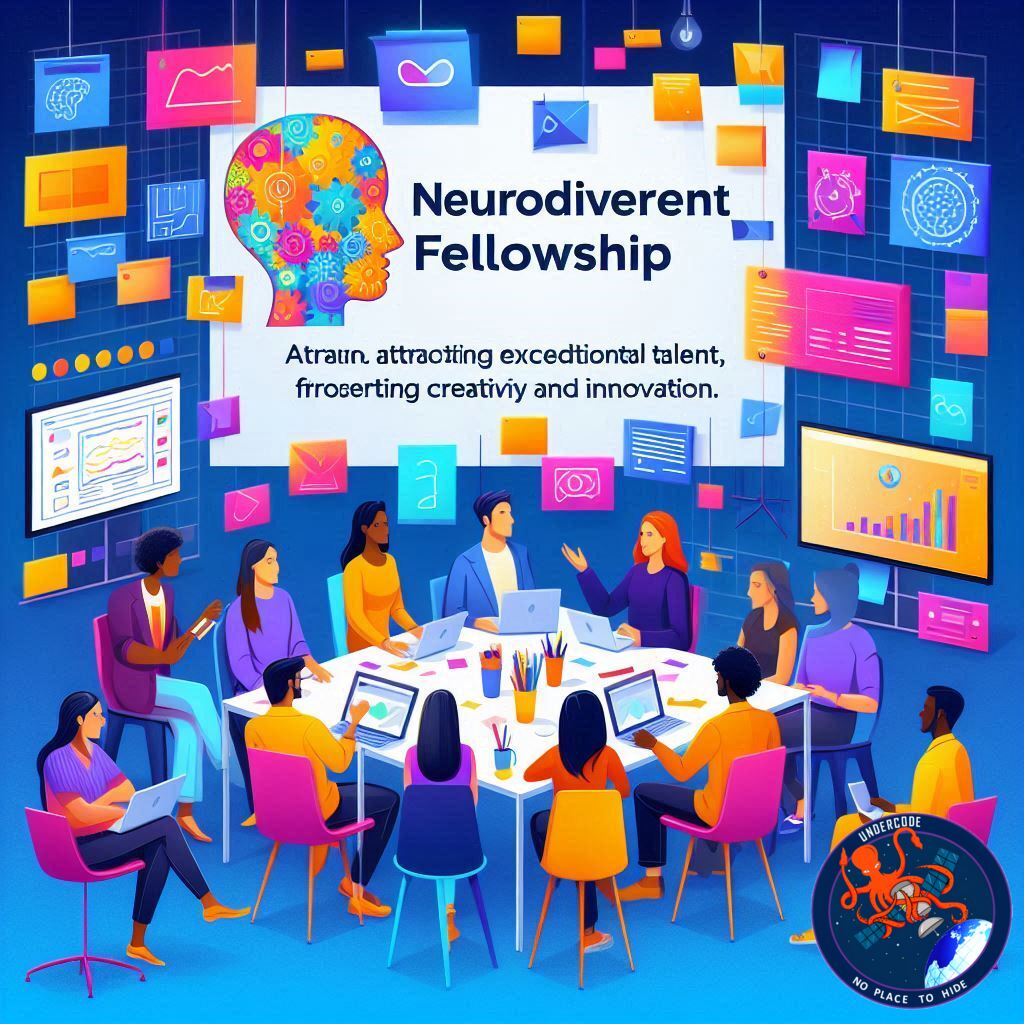
Palantir Technologies, the defense technology firm known for its data-driven solutions, has recently captured widespread attention—not just for its innovations, but for the unique personality of its CEO, Alex Karp. A viral video showing Karp struggling to sit still during an interview sparked a bold new initiative from the company: a fellowship program specifically targeting neurodivergent individuals. Through this initiative, Palantir aims to recruit talent that thinks differently, processes information rapidly, and thrives in high-intensity, problem-solving environments.
A Fellowship Inspired by Neurodivergence
In a post on X (formerly Twitter), Palantir announced the Neurodivergent Fellowship, inviting applicants who, like Karp, find themselves “unable to sit still, or thinking faster than you can speak.” Karp personally endorsed the initiative, emphasizing that “the neurally divergent (like myself) will disproportionately shape America’s future.” The program is not framed as a traditional diversity initiative but as a targeted recruitment pathway to identify individuals with exceptional cognitive skills.
The fellowship will be based in New York City or Washington, D.C., with competitive compensation ranging from $110,000 to $200,000 per year. Final interviews for the program will be conducted personally by Karp, ensuring candidates with both the technical and unconventional thinking abilities are identified.
The Role and Requirements
Palantir’s fellowship offers full-time positions where employees work on real-world AI-powered solutions, software platform development, and organizational transformation. Candidates are expected to excel and deliver measurable impact, with career progression determined purely by merit. The program encourages applications from self-taught developers, formally educated individuals, or those with unconventional learning paths, without requiring a formal diagnosis of neurodivergence. Applicants must be eligible to work in the U.S. and willing to relocate to New York or D.C.
The fellowship emphasizes traits common in neurodivergent individuals: pattern recognition, non-linear thinking, hyperfocus, and innovative problem-solving. Palantir believes these cognitive differences provide a competitive edge in the AI-driven technological landscape. Compensation includes base salary, potential restricted stock units, sign-on bonuses, and other incentives depending on the candidate’s qualifications and performance.
What Undercode Say:
Palantir’s Neurodivergent Fellowship reflects a broader shift in the tech industry’s approach to talent acquisition. Traditional hiring models prioritize uniform skillsets, academic pedigrees, and conventional behavioral norms. By explicitly targeting neurodivergent individuals, Palantir is recognizing that innovation often stems from non-linear thinking and the ability to perceive connections others might miss.
The timing of this program aligns with the rapid expansion of AI technology and large language models. Neurodivergent individuals frequently exhibit cognitive patterns that complement AI development: hyperfocus allows for deep learning, pattern recognition drives efficient problem-solving, and divergent thinking can generate unconventional solutions. Palantir is effectively positioning itself to leverage these traits in building the next generation of technological platforms.
Moreover, the fellowship underscores a meritocratic approach where impact, not formal credentials, determines advancement. By stating that “we don’t require you to sit still,” Palantir is signaling an understanding that high productivity and creativity may manifest outside traditional workplace behaviors. This approach can cultivate an environment where employees are evaluated based on output and innovation rather than conformity, potentially reshaping corporate culture in high-tech industries.
Palantir’s framing of neurodivergence as a strategic advantage rather than a diversity checkbox challenges prevailing assumptions about workplace inclusion. It suggests a future where organizations actively seek cognitive diversity as a driver of competitive advantage. Such initiatives may encourage other firms to rethink recruitment strategies, moving from a one-size-fits-all approach to targeted identification of unique problem-solving abilities.
The program also reflects an awareness of the economic value of neurodivergent talent. With compensation packages aligned to the high demands of technical innovation, Palantir is signaling that cognitive diversity is not merely a social or ethical concern but a strategic asset in the competitive tech landscape.
Additionally, having Karp personally conduct final interviews emphasizes the leadership’s commitment to directly engaging with unconventional talent. This level of executive involvement can inspire confidence among candidates and underscores the seriousness with which Palantir approaches this recruitment pathway.
Overall, the Neurodivergent Fellowship represents a convergence of cultural awareness, talent strategy, and technological foresight. It highlights the potential for organizations to thrive by valuing alternative thinking styles and offers a model for leveraging cognitive diversity as a tool for innovation in AI and beyond.
Fact Checker Results:
✅ Palantir has launched the Neurodivergent Fellowship targeting neurodivergent individuals.
✅ The fellowship offers salaries ranging from $110,000 to $200,000 and is based in NYC or Washington, D.C.
❌ This is not a diversity initiative in the conventional sense; it is framed as talent-driven, merit-based recruitment.
Prediction:
📊 The Neurodivergent Fellowship could set a trend in tech recruiting, encouraging more firms to design programs targeting high-cognition, unconventional thinkers.
🚀 Over the next 3–5 years, such initiatives may contribute to breakthroughs in AI, software platforms, and pattern recognition-driven industries.
🌟 Companies embracing neurodivergent talent may gain a competitive edge in innovation, employee retention, and creative problem-solving.
🕵️📝✔️Let’s dive deep and fact‑check.
References:
Reported By: timesofindia.indiatimes.com
Extra Source Hub (Possible Sources for article):
https://www.medium.com
Wikipedia
OpenAi & Undercode AI
Image Source:
Unsplash
Undercode AI DI v2
Bing
🔐JOIN OUR CYBER WORLD [ CVE News • HackMonitor • UndercodeNews ]
📢 Follow UndercodeNews & Stay Tuned:
𝕏 formerly Twitter 🐦 | @ Threads | 🔗 Linkedin | 🦋BlueSky | 🐘Mastodon


