
Listen to this Post
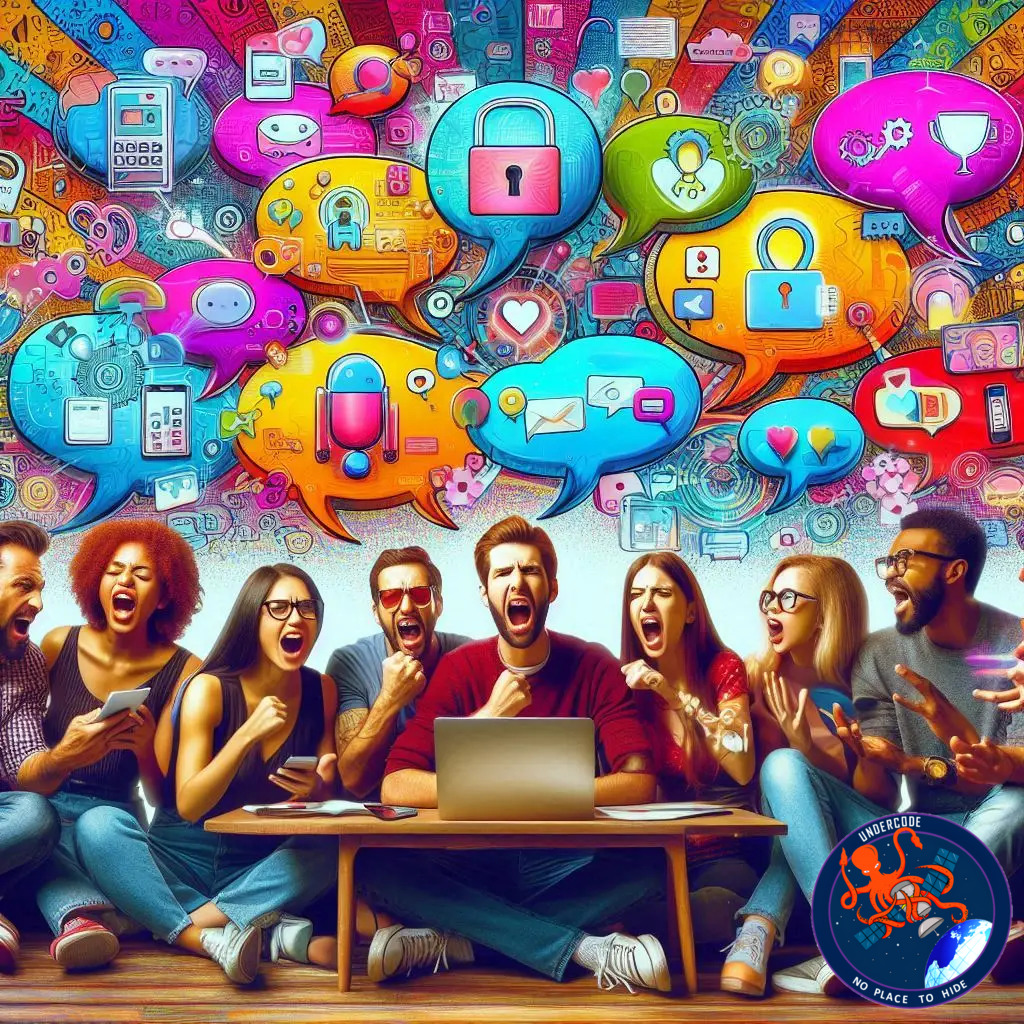
The debate over children’s access to social media has reached a tipping point, stirring strong opinions among parents, cybersecurity experts, and legislators alike. With new legislation set to enforce stricter age verification on platforms, questions of parental rights, privacy risks, and children’s social development are at the forefront. Troy Hunt, cybersecurity specialist and father, weighs in on what this means for families, kids, and the digital landscape.
The Core of the Debate
Parental decisions around children’s upbringing—covering diet, exercise, religion, academics, and technology—are deeply personal. The new legislation, which mandates “reasonable” measures by social media platforms to verify users under 16, has ignited controversy. Critics argue that it strips parents of their authority to decide when their children can access social platforms. Hunt acknowledges this tension but points out that many parents may be ill-prepared to navigate the risks that social media poses to younger users, which are well-documented.
The law expects platforms to implement verification mechanisms beyond mere self-reporting, leveraging their extensive user data to flag underage users. While adults like Hunt may not face scrutiny, teenagers—his 16-year-old son included—will likely encounter verification procedures. However, this raises concerns about privacy: data breaches, like the recent incident with Discord, highlight the inherent risks of storing sensitive age verification information.
Another challenge lies in children who cannot prove their age or wish to remain anonymous online, creating both technical and social complications. Despite the legislation, kids are unlikely to lose social connectivity entirely—they will migrate to alternative messaging platforms like iMessage or WhatsApp, losing only the broader network access previously available on Instagram or Facebook.
Hunt emphasizes that social media for kids isn’t just online interaction. Platforms like Snapchat also facilitate real-world coordination, event planning, and shared experiences. Excluding children from these networks can inadvertently isolate them from social norms, a reality evident in Australian schools where social media use at age 13 is practically universal.
Hunt supports controlled access rather than outright bans, citing Instagram’s teen controls—covering screen time, friend connections, location sharing, and media publishing—as a better model. Properly implemented, these measures give children a safe environment while respecting parental authority and minimizing unintended consequences.
What Undercode Say:
The new legislation highlights the intersection of technology, parenting, and policy, revealing a complex web of competing priorities. Firstly, parental autonomy is at stake. Families with strong digital literacy may feel confident guiding children safely online, while others may lack the knowledge to protect against online harms. This disparity fuels debate on whether the state should intervene in private family decisions.
Age verification on a platform level is technically feasible but socially and ethically complicated. Platforms possess vast data that can identify users under 16, but the storage and processing of this information introduces serious privacy and security risks. Data breaches of this type, like the Discord case, expose children to potential exploitation or identity theft, showing that even well-intentioned measures have trade-offs.
Social media is also a primary tool for peer engagement. In regions where access is culturally normative, restricting children from these platforms could create social isolation or exclusion, with real-world consequences for adolescent development. The legislation may unintentionally punish responsible families by limiting controlled access rather than focusing on education and safety.
Furthermore, children will likely shift to less regulated platforms, creating enforcement challenges. The law’s success will hinge on platforms’ ability to design flexible, child-centric controls that balance safety, privacy, and usability. Simply blocking access risks driving children to unmonitored spaces where dangers are more acute.
Hunt’s recommendation to follow models like Instagram for Teens reflects a nuanced approach. Teen-specific controls allow autonomy while enforcing boundaries, a middle ground that acknowledges the reality of adolescent social behavior. Screen time limits, visibility settings, and monitoring tools empower parents and safeguard children without infringing unnecessarily on personal rights.
The discussion also underscores a broader cultural question: at what age is digital participation a right versus a risk? By framing access in terms of control rather than prohibition, platforms and policymakers can better align with real-world practices. Misaligned legislation could inadvertently exacerbate the very harms it seeks to prevent, a cautionary tale for digital governance.
Overall, the debate emphasizes a triad of responsibility: parents must guide, platforms must protect, and policymakers must regulate without overreach. Striking this balance is complex, yet essential, for ensuring that digital access serves as a tool for connection, education, and growth rather than a source of harm.
Fact Checker Results:
✅ Platforms have the technical capability to verify age beyond self-reporting.
❌ Privacy risks from centralized data storage are real, as highlighted by recent breaches.
✅ Social media remains a significant driver of peer coordination and cultural inclusion for teens.
Prediction:
The coming months will likely see social media platforms experimenting with more sophisticated teen controls. Expect a mix of parental dashboards, AI-assisted age verification, and opt-in privacy safeguards. While some backlash from parents is inevitable, platforms that adopt transparent, flexible controls will likely reduce social friction and mitigate privacy risks. The legislation could eventually set a global precedent, influencing teen social media policies beyond Australia.
🕵️📝✔️Let’s dive deep and fact‑check.
References:
Reported By: x.com
Extra Source Hub (Possible Sources for article):
https://www.reddit.com
Wikipedia
OpenAi & Undercode AI
Image Source:
Unsplash
Undercode AI DI v2
Bing
🔐JOIN OUR CYBER WORLD [ CVE News • HackMonitor • UndercodeNews ]
📢 Follow UndercodeNews & Stay Tuned:
𝕏 formerly Twitter 🐦 | @ Threads | 🔗 Linkedin | 🦋BlueSky | 🐘Mastodon


