
Listen to this Post
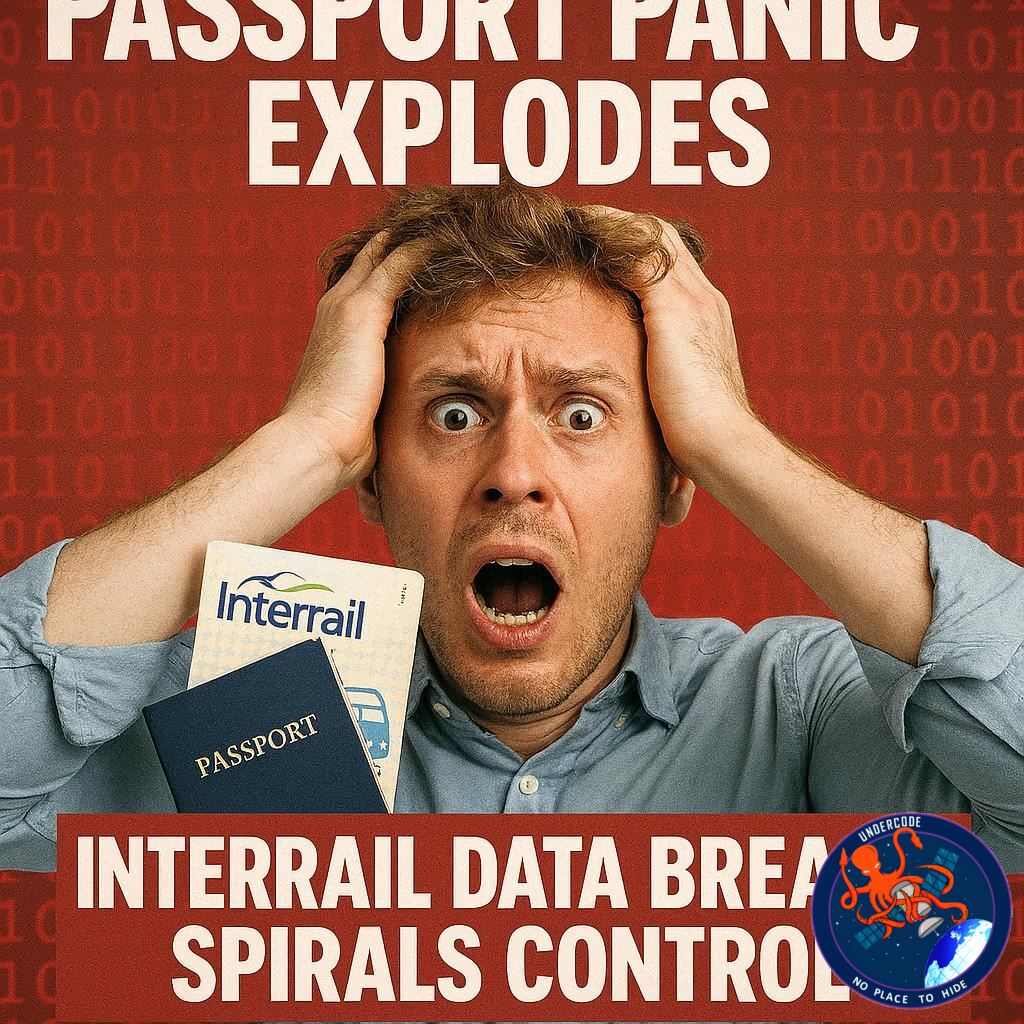
Introduction: A Travel Icon Faces a Security Nightmare
Interrail, a brand synonymous with freedom, backpacking, and cross-border European travel, is now at the center of a rapidly escalating cybersecurity scandal. What began as a worrying disclosure has turned into a full-blown data breach controversy, after respected security figures publicly confirmed that extremely sensitive personal data may have been exposed. The incident has sparked outrage across the security community and raised urgent questions about how travel companies safeguard identity-level information in 2026.
the Original Incident
The controversy surfaced publicly when Troy Hunt, one of the most trusted voices in global cybersecurity, posted a stark warning on X. According to Hunt, the breach at Interrail involved deeply sensitive data, including passport numbers, countries of issuance, and expiration dates. This immediately elevated the incident from a routine data leak to a potential identity theft crisis.
The situation deteriorated further when Hunt followed up, stating that the incident had “just got worse,” implying either additional data exposure or newly uncovered details. The gravity of the situation was reinforced by a public reply from Mike Wooldridge, whose resigned “sigh” response reflected a broader frustration within the tech and transport communities.
The posts quickly gained traction, amassing over a thousand views within hours and triggering intense discussion across X. While Interrail itself remained publicly quiet in the immediate aftermath, the absence of a detailed official statement only fueled speculation and concern. For many observers, the involvement of Hunt—creator of Have I Been Pwned—served as a credibility signal that this was not an exaggerated or misunderstood incident.
What makes this breach particularly alarming is the nature of the data reportedly exposed. Passport details are immutable; unlike passwords, they cannot be easily changed. If such information falls into criminal hands, it can be exploited for years, enabling fraud, impersonation, and even cross-border crimes. The incident has therefore shifted from being an IT failure to a matter of personal safety and international trust.
What Undercode Say:
The Interrail breach highlights a dangerous pattern that keeps repeating across industries that were never designed to be data custodians at scale. Travel companies increasingly behave like fintech or identity platforms, collecting and storing high-risk personal data, yet often without matching that responsibility with enterprise-grade security culture.
From an attacker’s perspective, passport datasets are premium assets. They enable synthetic identity creation, black-market verification schemes, and targeted phishing that is almost impossible for victims to distinguish from legitimate government or travel correspondence. This places Interrail customers in a uniquely vulnerable position, especially frequent travelers whose documents are already widely referenced.
Another troubling aspect is reputational latency. Brands like Interrail rely heavily on nostalgia, trust, and word-of-mouth among younger travelers. A breach involving passport data doesn’t just harm current users—it undermines the perceived safety of an entire travel philosophy built around openness and mobility.
The silence or slow response often seen after such disclosures is also part of the problem. In 2026, users expect real-time transparency, not carefully delayed legal statements. When independent researchers communicate faster and more clearly than the affected company, control of the narrative is already lost.
This incident also reinforces why centralized storage of passport data should be minimized or eliminated altogether. Modern verification techniques—tokenization, one-time validation, or government-backed APIs—exist precisely to avoid this risk. If Interrail was storing full passport numbers long-term, that architectural decision alone deserves scrutiny.
For regulators, this case could become a reference point. European data protection authorities have historically taken a hard stance on biometric and identity data. If confirmed, penalties may not be symbolic; they could be financially and operationally severe.
Ultimately, this breach is less about one company and more about an industry lagging behind its digital responsibilities. Travel is global, but trust is fragile—and once broken, it is far harder to restore than any rail pass refund.
🔍 Fact Checker Results
✅ Public statements from Troy Hunt confirm passport-related data was involved
✅ The incident was publicly discussed on X with visible engagement
❌ No official technical breakdown from Interrail has been released at the time of writing
📊 Prediction
If Interrail confirms the scope suggested by security researchers, regulatory investigations and customer litigation are likely to follow. More broadly, this breach will accelerate pressure on travel platforms across Europe to radically reduce identity data retention—or face becoming the next cautionary headline.
🕵️📝✔️Let’s dive deep and fact‑check.
References:
Reported By: x.com
Extra Source Hub (Possible Sources for article):
https://www.quora.com/topic/Technology
Wikipedia
OpenAi & Undercode AI
Image Source:
Unsplash
Undercode AI DI v2
Bing
🔐JOIN OUR CYBER WORLD [ CVE News • HackMonitor • UndercodeNews ]
📢 Follow UndercodeNews & Stay Tuned:
𝕏 formerly Twitter 🐦 | @ Threads | 🔗 Linkedin | 🦋BlueSky | 🐘Mastodon


