
Listen to this Post
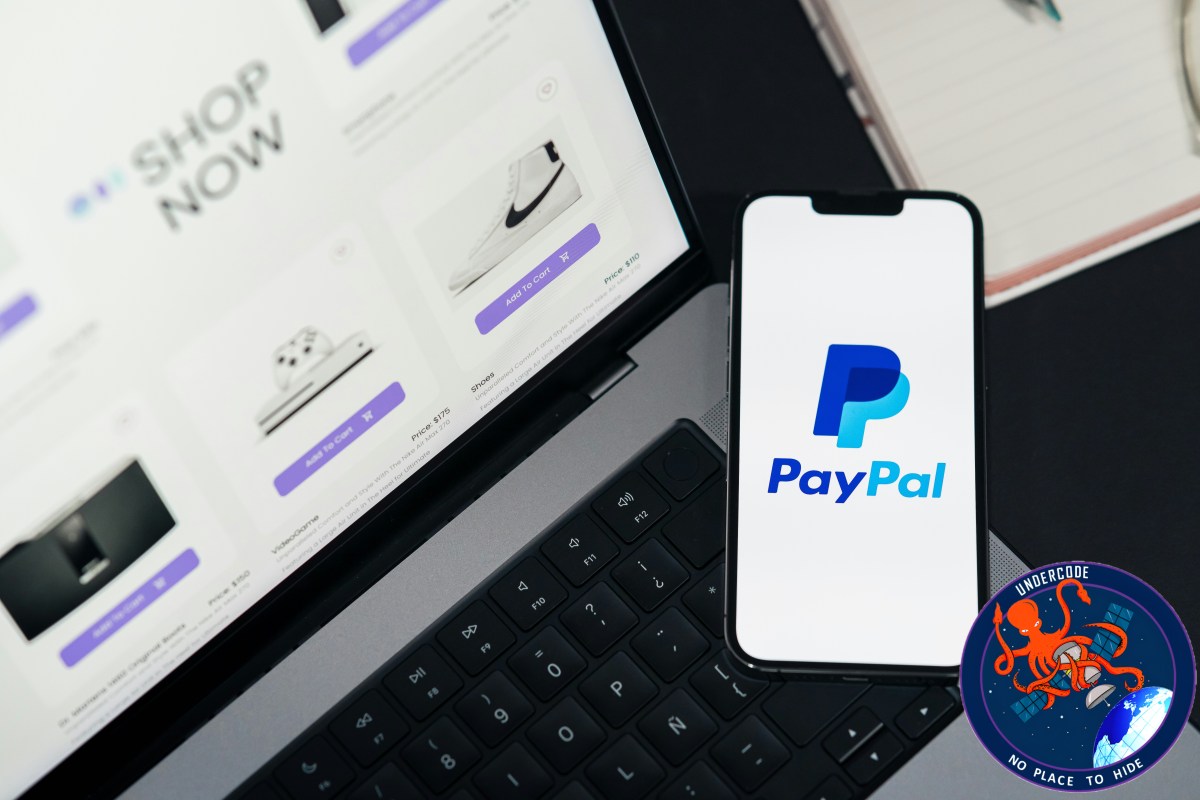
The Future of Shopping Just Became Smarter
In a move that could redefine the future of digital payments, PayPal has announced a groundbreaking partnership with OpenAI, allowing ChatGPT users to purchase products directly through PayPal’s global platform. The news sent PayPal’s stock soaring by 10%, reflecting Wall Street’s growing appetite for AI-driven financial innovation.
This historic collaboration positions PayPal at the heart of the emerging “agentic commerce” revolution, where AI tools act as digital shopping assistants—researching, comparing, and even purchasing products autonomously for users. For a company that just issued its first-ever dividend in 27 years and raised its annual profit forecast, the partnership signals both confidence and strategic reinvention.
PayPal’s Strategic Leap Into AI Integration
The partnership links PayPal’s vast network of merchants with ChatGPT’s 800 million weekly active users, transforming the chatbot from a conversational tool into a commercial platform. Through this integration, users will be able to browse, compare, and buy products in real time, without leaving the ChatGPT interface.
AI commerce assistants are rapidly becoming the next frontier in online retail. Unlike traditional e-commerce, where consumers must actively search for items, AI-driven tools can anticipate needs, manage budgets, evaluate reviews, and track prices—all automatically. PayPal’s inclusion in this space marks a major step in the evolution from transactional payments to intelligent commerce ecosystems.
Evercore ISI analysts described this development as potentially “a silver bullet” for PayPal, helping it leverage its global user base and rejuvenate growth in what could become a next-generation commerce platform.
The Numbers Behind PayPal’s Comeback
PayPal also revealed that it is raising its full-year adjusted earnings forecast to between $5.35 and $5.39 per share, up from its previous projection of $5.15 to $5.30. Analysts had expected $5.24, meaning the new forecast comfortably beats Wall Street’s estimates.
Adding to the momentum, PayPal announced a quarterly dividend of 14 cents per share, marking the first dividend distribution in its 27-year history. This represents a 10% payout ratio of adjusted profit, signaling strong financial health and renewed shareholder confidence.
CEO Alex Chriss emphasized that the company has shifted “from defense to offense and from stabilization to acceleration,” a statement underscoring PayPal’s transition from its pandemic slump toward sustainable growth.
From Pandemic Favorite to AI Fintech Pioneer
During the pandemic, PayPal experienced a surge in digital transactions as consumers shifted to online shopping. However, as economies reopened and in-person spending returned, PayPal faced stagnation. The company’s leadership responded by restructuring operations, focusing on profitability, and trimming costs to stabilize margins.
Now, with this AI partnership, PayPal is poised to reclaim its innovation crown. The company reported a 7% increase in total payment volume (FX-neutral) to $458.1 billion, while revenue rose 6% to $8.4 billion in the third quarter. Adjusted EPS reached $1.34, up from $1.20 a year earlier—proof that its financials are rebounding as consumer spending stays resilient despite inflation.
Chriss’s strategy has clearly paid off. By aligning PayPal’s ecosystem with AI commerce, he’s not only future-proofing the platform but also positioning it to thrive in a marketplace where AI, automation, and personalization define consumer behavior.
What Undercode Say:
The PayPal–OpenAI partnership is not just a headline-grabbing collaboration—it represents a pivotal shift in how AI, fintech, and e-commerce will converge in the coming decade.
From an analytical standpoint, this move strategically places PayPal at the intersection of intelligent payments and conversational commerce, a domain that could soon rival traditional online shopping. By enabling purchases directly within ChatGPT, PayPal gains early access to the world’s most dynamic AI ecosystem, effectively embedding itself in consumers’ daily digital interactions.
The implications go beyond mere payment processing. If ChatGPT becomes a mainstream shopping interface, PayPal could emerge as the default transaction layer for AI-driven commerce, giving it unprecedented visibility into purchasing patterns, consumer sentiment, and product demand. That data, in turn, could fuel new financial products, personalized credit offers, and targeted merchant insights.
However, the road ahead isn’t without challenges. Integration with OpenAI requires robust security frameworks, transparent data-sharing agreements, and global compliance with payment regulations. Moreover, while PayPal’s first dividend is a strong signal of confidence, investors will watch closely to ensure this optimism translates into long-term revenue growth rather than short-term hype.
From a broader industry view, this partnership sets a precedent. Other fintechs and banks are likely to follow suit, embedding themselves into AI interfaces to remain relevant. If AI truly becomes the consumer’s first point of interaction for shopping and financial management, then the companies controlling that gateway—like OpenAI and PayPal—will redefine digital commerce as we know it.
In essence, this is not just a fintech story. It’s a vision of the future, where algorithms understand spending habits better than humans do, and payment systems no longer just process money—they think, predict, and decide.
🔍 Fact Checker Results
✅ PayPal’s 10% stock surge confirmed by Reuters and market data.
✅ Partnership with OpenAI officially announced by PayPal CEO Alex Chriss.
✅ Dividend and profit forecast details verified in PayPal’s Q3 earnings report.
📊 Prediction
💡 Expect AI-integrated shopping to become a standard feature across major chatbots by 2026.
📈 PayPal could see steady double-digit user engagement growth as ChatGPT commerce expands.
🤖 Within three years, “agentic commerce” may become a trillion-dollar market, redefining fintech and consumer AI alike.
🕵️📝✔️Let’s dive deep and fact‑check.
References:
Reported By: www.deccanchronicle.com
Extra Source Hub (Possible Sources for article):
https://www.stackexchange.com
Wikipedia
OpenAi & Undercode AI
Image Source:
Unsplash
Undercode AI DI v2
Bing
🔐JOIN OUR CYBER WORLD [ CVE News • HackMonitor • UndercodeNews ]
📢 Follow UndercodeNews & Stay Tuned:
𝕏 formerly Twitter 🐦 | @ Threads | 🔗 Linkedin | 🦋BlueSky | 🐘Mastodon


