
Listen to this Post
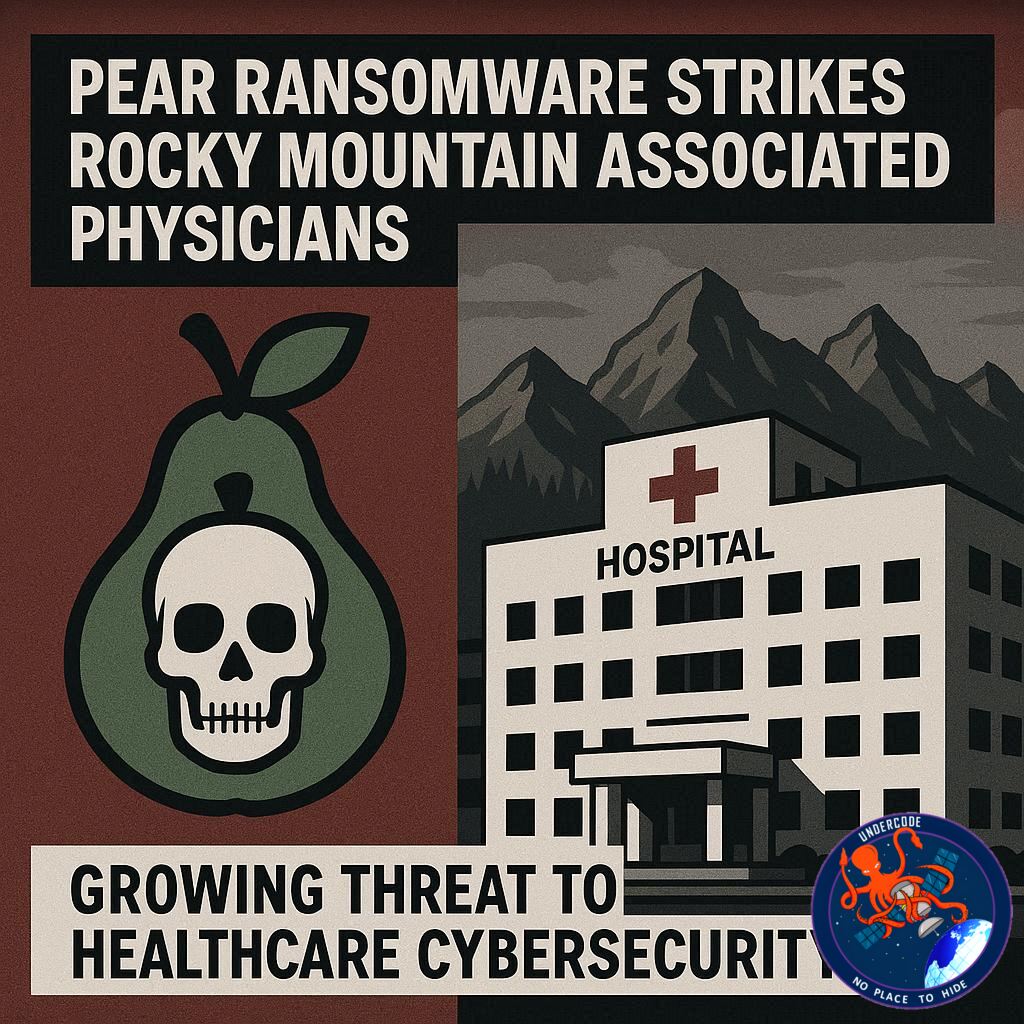
The digital underworld is once again making headlines, as the notorious “Pear” ransomware group has reportedly targeted Rocky Mountain Associated Physicians (RMAP), one of the leading medical groups in the United States. The breach, detected and verified by the ThreatMon Threat Intelligence Team, highlights the persistent and evolving threats facing healthcare organizations. Cybercriminals are increasingly focusing on medical institutions, where patient data is highly sensitive, operations are critical, and ransom payouts can be substantial.
the Attack
On January 30, 2026, at 12:11 PM UTC+3, the ThreatMon platform identified RMAP as the latest victim of the Pear ransomware operation. While full details remain scarce, the attack is part of a growing trend of ransomware groups targeting healthcare providers, leveraging weak network security or social engineering tactics to infiltrate systems. ThreatMon’s intelligence suggests that the attack may involve the encryption of critical patient data, disruption of medical workflows, and potential threats to patient privacy.
Pear ransomware has been active on dark web channels, often publicizing its victims to pressure organizations into paying hefty ransoms. The attack on RMAP follows a series of similar incidents in the healthcare sector, demonstrating that even large, established institutions remain vulnerable to sophisticated cybercriminal operations. Experts warn that attacks like this can compromise medical records, delay patient care, and cost organizations millions in recovery efforts and potential legal liabilities.
The cyberattack trend is also alarming because ransomware groups like Pear are evolving rapidly. Unlike earlier strains, modern ransomware often combines encryption with data exfiltration, creating dual leverage for criminals: victims face both operational disruption and the threat of sensitive data exposure. As such, the stakes are higher than ever, making cybersecurity preparedness a top priority for medical organizations.
Beyond the immediate financial impact, such attacks damage reputation, erode patient trust, and can trigger regulatory scrutiny under healthcare privacy laws. The ongoing activity on the dark web and the public disclosure of victims indicate that attackers are becoming more brazen, seeking to maximize pressure on organizations to pay ransoms quickly.
What Undercode Says:
Healthcare Vulnerabilities in Focus
Healthcare institutions like RMAP are prime targets due to their reliance on continuous operations and vast stores of sensitive data. Hospitals and medical groups often operate with legacy systems, limited cybersecurity budgets, and high-value data, creating ideal conditions for ransomware attacks.
Tactics and Trends of Pear Ransomware
Pear ransomware employs a combination of social engineering, phishing, and network exploitation to gain access. Once inside, it encrypts critical files and exfiltrates sensitive information to leverage payment demands. The public disclosure of victims adds psychological pressure, forcing organizations into rushed decisions.
Financial and Operational Consequences
RMAP could face operational shutdowns in critical departments, delaying patient care and potentially costing millions in lost revenue and remediation. Legal exposure is also significant, given HIPAA regulations in the U.S. that mandate strict patient data protection.
Dark Web Implications
The attack emphasizes the role of the dark web in amplifying ransomware threats. Cybercriminals publicize their victims to increase leverage, attract attention from other hackers, and sometimes even trade methods or access codes. This underlines the importance of continuous threat intelligence for all high-risk industries.
Long-Term Industry Impact
If unchecked, attacks like this will push healthcare institutions to adopt advanced cybersecurity measures such as zero-trust architectures, endpoint monitoring, and frequent staff training on phishing detection. Organizations may also increasingly rely on cyber insurance policies to mitigate financial exposure.
Patient Data at Risk
The dual threat of encryption and exfiltration puts patients directly in the crosshairs. Medical histories, personal identification information, and treatment records are highly sensitive, and their compromise can lead to identity theft, fraud, and long-term privacy violations.
Response Strategies
Immediate response typically includes isolating infected systems, forensic analysis, notifying authorities, and preparing to negotiate or resist ransom demands. Proactive measures like regular backups, network segmentation, and continuous monitoring remain the most effective prevention strategies.
Future Outlook
Healthcare ransomware attacks are unlikely to diminish, with Pear and similar groups continuing to refine their techniques. Institutions that fail to modernize cybersecurity defenses will remain vulnerable to increasingly sophisticated attacks.
🔍 Fact Checker Results
✅ Pear ransomware group has been active in targeting healthcare institutions.
✅ ThreatMon is a verified threat intelligence platform monitoring ransomware activity.
❌ No confirmed reports yet of ransom payments or specific data exfiltration in this attack.
📊 Prediction
The trend of targeting healthcare providers is expected to intensify in 2026. Ransomware groups like Pear will likely increase public disclosures of victims to coerce payments faster. Institutions that delay cybersecurity upgrades or fail to implement zero-trust strategies may face multiple attacks within the year. Investment in threat intelligence platforms, staff cybersecurity awareness, and robust backup protocols will become standard practice to mitigate financial, operational, and reputational risks.
🕵️📝✔️Let’s dive deep and fact‑check.
References:
Reported By: x.com
Extra Source Hub (Possible Sources for article):
https://www.linkedin.com
Wikipedia
OpenAi & Undercode AI
Image Source:
Unsplash
Undercode AI DI v2
Bing
🔐JOIN OUR CYBER WORLD [ CVE News • HackMonitor • UndercodeNews ]
📢 Follow UndercodeNews & Stay Tuned:
𝕏 formerly Twitter 🐦 | @ Threads | 🔗 Linkedin | 🦋BlueSky | 🐘Mastodon


