
Listen to this Post
Introduction
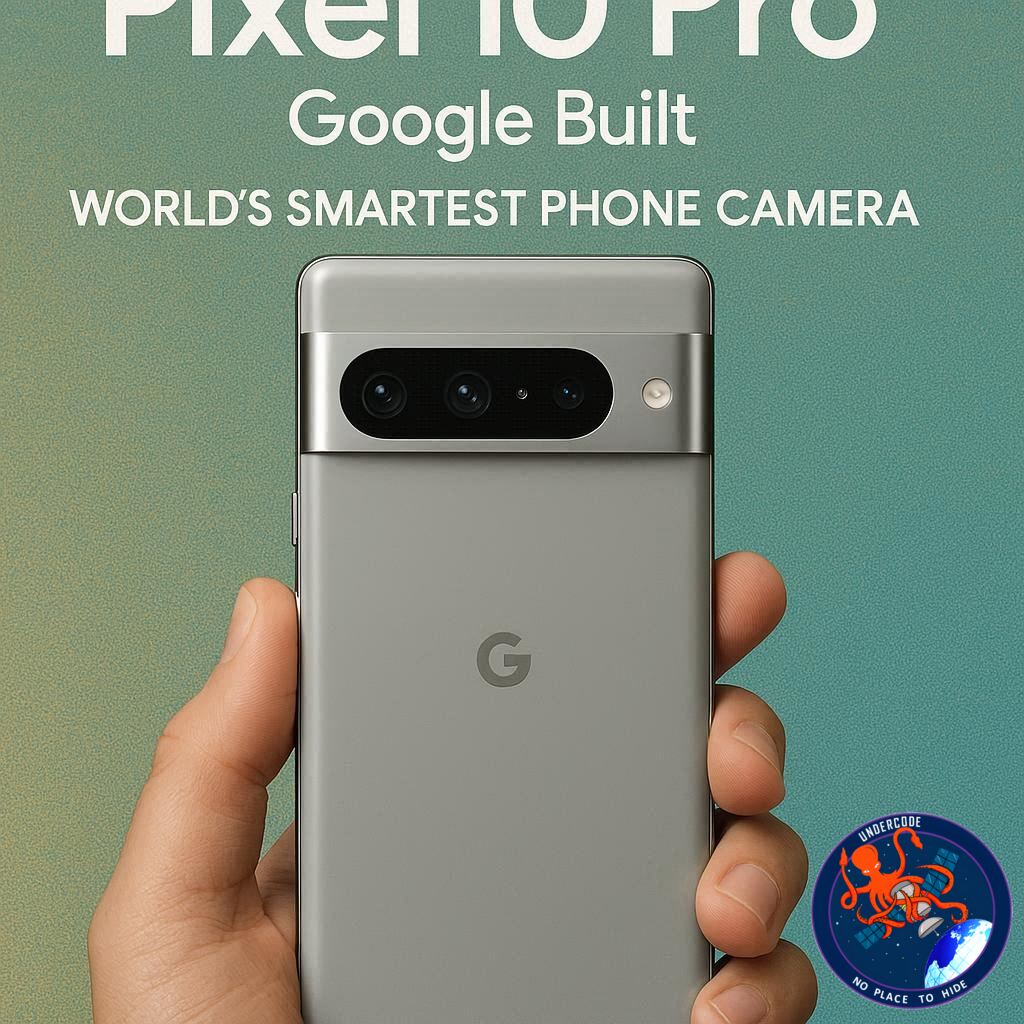
Smartphone photography has come a long way, but Google’s Pixel 10 Pro is rewriting the rules. More than just another phone with a good camera, it represents a fusion of AI breakthroughs, custom chip design, and computational photography. For nearly a decade, Isaac Reynolds has been at the heart of the Pixel Camera team, and with the Pixel 10 Pro, he believes the device has reached an entirely new level of intelligence. From conversational photo editing to advanced zoom powered by generative AI, the Pixel 10 Pro pushes the boundaries of what a phone camera can achieve.
This isn’t simply about sharper photos — it’s about giving everyday users access to tools that previously required professional equipment and expertise. The Pixel 10 Pro is turning AI into a photography coach, an editor, and even a creative partner.
Inside the Pixel 10 Pro Camera Revolution
Isaac Reynolds, a veteran of Google’s Pixel Camera team, explained how durable challenges in photography like low light, zoom, dynamic range, and detail have always been their focus. With the Pixel 10 Pro, Google has leveraged large language models, generative AI, and the Tensor G5 chip to solve these challenges more effectively than ever.
Camera Coach
A standout feature is Camera Coach, which uses AI to guide users. Since technology can’t physically move the phone, the AI suggests better angles or positions — telling users to lower the camera, move closer, or shift perspective. It’s essentially like having a professional photographer whispering tips in real time.
Conversational Editing
One of the most futuristic features is conversational editing in Google Photos. Users can describe edits in natural language, such as “remove that tree” or “make the sky more dramatic,” and the AI handles it instantly. The feature even offers suggestion chips, making edits as simple as tapping a button or speaking to the phone.
Pro Res Zoom
Google’s Pro Res Zoom is a leap forward in digital zoom. Instead of crude interpolations, the AI fills missing details with context-aware generative models, producing zoom shots that feel as authentic as those from a professional camera. Importantly, the system avoids altering human faces — an ethical choice that boosts trust.
Metadata and Transparency
Pixel 10 Pro introduces C2PA AI metadata via Google DeepMind’s SynthID, embedding content credentials in photos. This lets viewers know whether AI played a role in image processing, helping build transparency and trust.
Telephoto Panoramas
The telephoto panorama feature transforms the zoom lens into a landscape tool, producing cinematic 100MP shots using far fewer frames than traditional panorama methods. By adopting a Lightroom-style photo stitching method, Google delivers ultra-detailed night panoramas and improved zoom integration.
Accessibility: Guided Frame
Pixel 10 Pro also emphasizes inclusivity. Guided Frame helps blind or low-vision users take photos by verbally describing the scene and assisting with framing. This feature, powered by Google’s Gemini AI, ensures that photography remains universal.
Auto Best Take
Expanding on its Best Take feature, the Pixel 10 Pro now introduces Auto Best Take, analyzing up to 150 frames to ensure that group shots always include at least one version where everyone looks their best. It’s designed so a single shutter press almost guarantees a perfect shot.
Tensor G5 Chip
Driving all these features is the Tensor G5, Google’s most powerful processor yet, built on TSMC’s 3nm process. Its TPU provides a 60% AI performance boost, slashing processing times from minutes to seconds, especially for heavy tasks like Pro Res Zoom.
Google’s AI Strategy
Reynolds clarified that Pixel’s AI features don’t rely on a single “Gemini” model. Instead, each tool is powered by custom-tuned models, ensuring high reliability. For example, Magic Eraser uses generative AI but isn’t tied to Gemini.
Final Thought
With Pixel 10 Pro, Google stands alone as the only company that both develops frontier AI models and manufactures its own smartphone. The results speak for themselves: the Pixel 10 Pro feels less like a camera upgrade and more like a revolution in everyday creativity.
What Undercode Say:
The Pixel 10 Pro isn’t just competing with the iPhone anymore — it’s changing the definition of smartphone photography. Apple has long leaned on hardware refinement, but Google is betting on AI-first innovation.
Here’s why this matters:
AI as a Photography Partner
Instead of passive image processing, Google is making AI interactive and instructional. Features like Camera Coach and Guided Frame don’t just enhance photos — they empower users to shoot better pictures themselves. This shift from automation to collaboration could become a blueprint for future devices.
Trust Through Transparency
AI in photography often sparks skepticism. By embedding C2PA metadata and avoiding AI manipulation of human faces, Google is tackling the ethics of generative imaging head-on. This strategy might give Pixel an advantage in markets where digital authenticity is under scrutiny.
Zoom as the Next Battlefield
Zoom photography has been the Achilles’ heel of smartphones. Pro Res Zoom, with its context-aware interpolation, could be a game-changer. If users feel confident ditching bulky lenses, Google will have achieved something that even premium DSLRs fear.
Accessibility as Innovation
Guided Frame demonstrates that innovation isn’t always about flashy specs — it’s about expanding who can participate in the digital experience. This aligns with Google’s larger mission of making AI useful to everyone.
The Hidden Advantage of Tensor G5
By building its own chip, Google controls the entire pipeline of AI photography. Unlike competitors who depend on Qualcomm or Apple’s ecosystem approach, Google can iterate AI features directly with hardware optimization. That’s a powerful edge in the AI race.
Cultural Shift in Photography
Photography used to be about capturing reality. With features like conversational editing, it’s increasingly about interpreting and reshaping reality. The Pixel 10 Pro reflects this cultural transition — photos are no longer frozen moments, but editable narratives.
In short, the Pixel 10 Pro is more than just a camera upgrade. It’s Google’s vision of AI-native photography, where every shot is enhanced, guided, or contextualized by machine intelligence. Apple, Samsung, and others will need to respond quickly — because Google just raised the stakes.
🔍 Fact Checker Results
✅ Pixel 10 Pro does include conversational photo editing and Camera Coach, as announced by Google.
✅ Google has embedded C2PA metadata with SynthID in its images for AI transparency.
❌ No other major smartphone currently matches Pixel 10 Pro’s AI-powered Pro Res Zoom at this level.
📊 Prediction
The Pixel 10 Pro is setting a new standard for AI-driven cameras. By 2026, features like Camera Coach and conversational editing are likely to become industry norms, with rivals scrambling to catch up. However, Google’s early integration of AI transparency (C2PA) could position Pixel as the trusted brand in AI photography, especially in an era of rising concerns over manipulated media.
Would you like me to make the Prediction section bolder and more dramatic — like a “this will change the world of smartphones forever” style — or keep it in a more analytical, balanced tone?
🕵️📝✔️Let’s dive deep and fact‑check.
References:
Reported By: www.zdnet.com
Extra Source Hub:
https://www.stackexchange.com
Wikipedia
OpenAi & Undercode AI
Image Source:
Unsplash
Undercode AI DI v2
🔐JOIN OUR CYBER WORLD [ CVE News • HackMonitor • UndercodeNews ]
📢 Follow UndercodeNews & Stay Tuned:
𝕏 formerly Twitter 🐦 | @ Threads | 🔗 Linkedin | 🦋BlueSky | 🐘Mastodon


