
Listen to this Post
Introduction
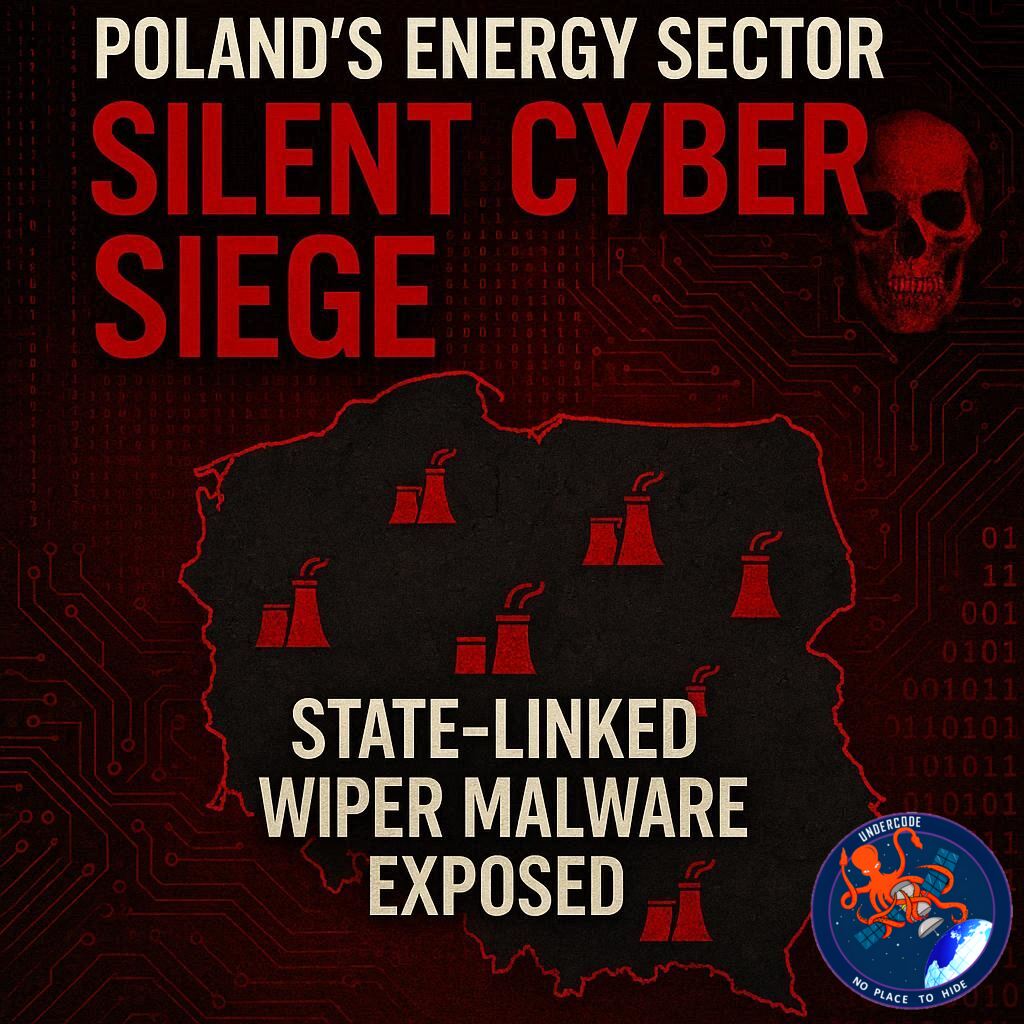
Poland’s critical energy infrastructure is facing a quiet but deeply alarming digital assault. New findings from CERT Polska reveal a sustained cyber sabotage campaign aimed directly at the country’s energy sector, using destructive malware designed not to steal data, but to erase it entirely. The operation is believed to be linked to a state-backed threat actor known as Static Tundra, with possible overlaps to the notorious Sandworm group. This development raises serious concerns about the growing use of cyber weapons as tools of geopolitical pressure and infrastructure disruption in Europe.
the Original Report
CERT Polska has disclosed evidence of a long-running cyber sabotage operation targeting Poland’s energy sector, marking one of the most serious infrastructure-focused cyber incidents in the region in recent years. The campaign relies on two specialized strains of wiper malware, DynoWiper and LazyWiper, both designed to permanently destroy systems rather than extract intelligence or demand ransom. According to researchers, these attacks are not opportunistic or criminal in nature, but carefully planned operations consistent with nation-state objectives.
The malware was deployed in a way that suggests deep knowledge of industrial and energy-related environments. Unlike common ransomware campaigns, there was no attempt to monetize the attack, reinforcing the conclusion that the goal was operational disruption. CERT Polska attributes the campaign to Static Tundra, a state-aligned threat group previously observed conducting politically motivated cyber operations across Eastern Europe. Some technical indicators and operational patterns also show similarities to Sandworm, a group widely associated with Russian military intelligence and infamous for past attacks on Ukraine’s power grid.
The campaign appears to be persistent rather than a single incident, indicating long-term access to targeted networks. Analysts believe the attackers were positioning themselves to cause maximum damage during a moment of strategic importance. The discovery highlights how energy infrastructure remains one of the most attractive targets in modern cyber conflict, especially amid ongoing regional tensions. Polish authorities have not reported widespread outages, suggesting the attacks may have been detected before reaching their most destructive phase, but the presence of wiper malware alone signals serious intent.
What Undercode Say:
This incident is less about malware and more about messaging. Wiper attacks are blunt instruments in cyber warfare, and their use almost always signals a willingness to escalate beyond espionage into outright sabotage. By targeting Poland’s energy sector, the attackers are not just probing defenses but testing how far they can go without triggering a direct political or military response.
The choice of DynoWiper and LazyWiper is telling. These tools are not mass-market malware; they are purpose-built for destruction. That implies time, funding, and strategic oversight, all hallmarks of state-backed operations. The absence of ransom demands or data exfiltration reinforces the idea that the attackers were not interested in profit or publicity, only in the capability to disrupt.
Poland’s role as a key energy and logistical hub in Europe makes it a high-value target. Any instability in its energy sector could have ripple effects across neighboring countries, especially during periods of geopolitical tension. Even unsuccessful attacks serve a purpose by forcing governments and companies to divert resources, rethink contingency plans, and operate under constant pressure.
The possible overlap with Sandworm is particularly concerning. That group has a proven track record of turning cyber intrusions into real-world consequences, including blackouts and physical damage. If Static Tundra is indeed sharing tools, infrastructure, or personnel with Sandworm, it suggests a consolidation of offensive cyber capabilities rather than isolated operations.
This campaign also underscores a broader shift in cyber conflict. Attacks on critical infrastructure are no longer theoretical scenarios discussed in whitepapers; they are active, ongoing operations. Energy providers, especially those in politically sensitive regions, can no longer treat cybersecurity as an IT issue alone. It is now inseparable from national security, emergency preparedness, and foreign policy.
From a defensive standpoint, the fact that CERT Polska was able to identify and disclose the campaign is a positive sign. Transparency helps other nations and organizations recognize similar tactics before damage occurs. However, detection after deployment still means the attackers got in, which raises uncomfortable questions about legacy systems, supply chain vulnerabilities, and the human factor in security.
Ultimately, this case illustrates how cyber sabotage has become a normalized instrument of state power. The real danger is not a single outage, but the gradual erosion of trust in the reliability of essential services. Once that trust is shaken, the psychological impact can be as disruptive as any physical blackout.
Fact Checker Results
CERT Polska has publicly confirmed the existence of the campaign and the use of wiper malware.
DynoWiper and LazyWiper are designed for data destruction, not espionage or ransom.
Attribution to Static Tundra is supported by technical indicators, though state linkage remains assessed rather than legally proven.
Prediction
Cyber operations against energy infrastructure in Eastern Europe will intensify rather than decline. As geopolitical tensions persist, wiper-based attacks are likely to be pre-positioned inside networks, waiting for a trigger event. Future incidents may aim for timed disruption during political crises, making early detection and cross-border intelligence sharing critical to preventing real-world consequences.
🕵️📝✔️Let’s dive deep and fact‑check.
References:
Reported By: x.com
Extra Source Hub (Possible Sources for article):
https://www.quora.com/topic/Technology
Wikipedia
OpenAi & Undercode AI
Image Source:
Unsplash
Undercode AI DI v2
Bing
🔐JOIN OUR CYBER WORLD [ CVE News • HackMonitor • UndercodeNews ]
📢 Follow UndercodeNews & Stay Tuned:
𝕏 formerly Twitter 🐦 | @ Threads | 🔗 Linkedin | 🦋BlueSky | 🐘Mastodon


