
Listen to this Post
The future of logistics in aviation is taking a bold step forward. Poseidon Aerospace, a startup blending innovation with military-grade ambition, has secured $11 million in seed funding to develop two groundbreaking unmanned cargo aircraft: Egret and Heron. These drones promise to redefine how supplies, from food to ammunition, are transported in challenging and strategic environments, particularly in the Indo-Pacific region.
Breaking Down the Innovation: Egret and Heron
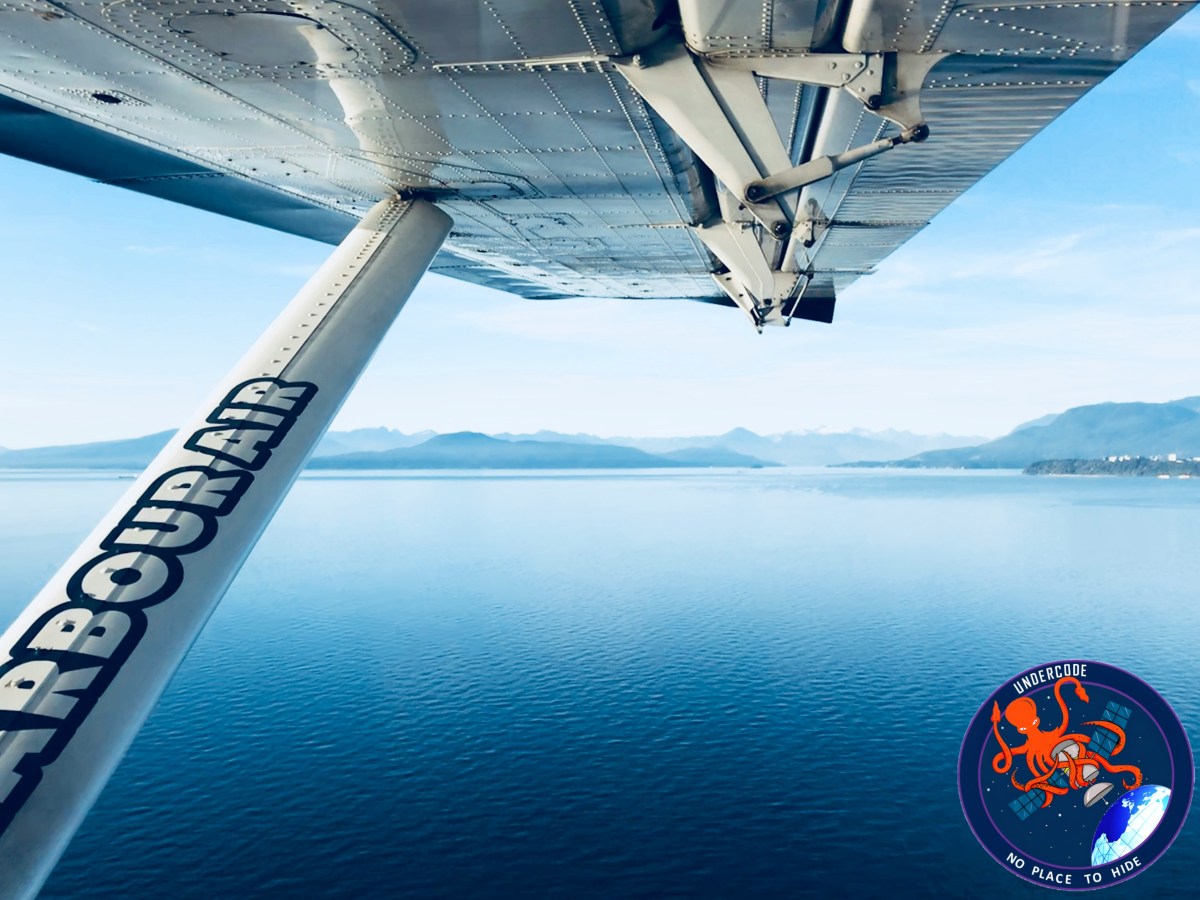
Poseidon Aerospace’s two unmanned aircraft are still in mid-construction, with flight testing slated for 2026. Both models boast wingspans of approximately 50 feet and are designed to carry payloads of up to 2 tons. The Egret is optimized for short takeoffs and landings on runways, offering flexibility for quick-response logistics. In contrast, the Heron functions as a seaplane, enabling operations in maritime environments where traditional runways aren’t available.
According to CEO David Zagaynov, logistics are the backbone of military strategy. “A lot of people are thinking about kinetics and forward effects,” he told Axios. “But wars are fought and won with logistics and supply chains.” Poseidon’s approach directly addresses this insight, focusing on unmanned air cargo solutions that can operate in diverse theaters, from islands to remote coastal regions.
The Company Behind the Plan
Poseidon Aerospace is a young yet ambitious startup, only two years old, with a team of 18 employees. Many hail from major aerospace and defense firms, including Amazon, L3Harris Technologies, and Lockheed Martin. The company’s main headquarters is in California, complemented by additional facilities in Washington and Maine, where most of its manufacturing currently occurs.
Funding the Vision
The recent $11 million seed round was led by Tamarack Global, with participation from Drover Ventures, Draper Associates, and Starship Ventures. Tamarack’s managing partner Jamie Lee emphasized Poseidon’s disruptive potential: “Air cargo is fundamentally a legacy industry where little has changed over decades. Poseidon is one of the few teams with the ambition to rethink it from the ground up and the execution ability to make unmanned air freight practical in the near term and the status quo in the long term.”
Strategic Implications
The development of unmanned cargo aircraft is more than a technological feat; it is a strategic game-changer. With Egret and Heron, Poseidon aims to enhance military and humanitarian logistics, ensuring rapid delivery of essential supplies where conventional transport may struggle. Their design flexibility also allows deployment in both traditional land-based and maritime theaters, creating a tactical advantage for rapid-response operations.
What Undercode Say:
Poseidon Aerospace’s entry into unmanned cargo aviation is poised to disrupt both commercial and defense logistics. The timing aligns with a broader trend toward autonomous systems, where efficiency, speed, and adaptability are critical. The Egret and Heron designs demonstrate strategic foresight: mid-size payload capacity paired with versatility across environments addresses a long-standing gap in rapid logistics.
From an industry perspective, this is a prime example of targeted innovation in a stagnant market. Air cargo has seen incremental technological improvements for decades, yet unmanned aircraft capable of transporting significant payloads remain rare. Poseidon is attacking this market with both technical know-how and operational insight, leveraging expertise from aerospace veterans.
Operationally, Poseidon faces both engineering and regulatory challenges. Building drones capable of carrying two tons reliably, especially in seaplane configurations, is nontrivial. Beyond engineering, airspace integration, safety regulations, and certification for unmanned heavy-lift cargo are potential hurdles. However, the company’s dual focus on commercial viability and strategic application—especially for military or humanitarian logistics—suggests it could navigate these complexities effectively.
The competitive advantage comes from speed and adaptability. While traditional cargo logistics rely on rigid infrastructure, Egret and Heron provide solutions where infrastructure is minimal or compromised. This is particularly relevant in regions prone to natural disasters or geopolitical tensions. By reducing dependency on conventional supply chains, unmanned aircraft could redefine strategic logistics in both conflict and relief scenarios.
Investor sentiment reflects confidence in this vision. Seed funding from high-profile venture firms underscores a belief not only in the technical feasibility but also in market readiness. The backing signals that Poseidon’s approach—rethinking air cargo from the ground up—is both timely and commercially attractive.
From a broader technological perspective, Poseidon is contributing to the maturation of autonomous flight for practical, large-scale operations. Beyond drones for hobbyists or small parcels, the company is demonstrating that autonomous systems can handle critical, high-stakes transport missions. This could pave the way for broader adoption across industries reliant on fast, flexible logistics.
The dual-platform approach—land-based short takeoff and maritime-capable seaplane—also points to a sophisticated understanding of market segmentation. Rather than designing a one-size-fits-all solution, Poseidon is targeting specific operational needs, increasing the likelihood of adoption across diverse sectors.
In conclusion, Poseidon Aerospace represents a convergence of strategic logistics, autonomous aviation, and market disruption. By delivering versatile unmanned cargo aircraft, the startup has the potential to shift how critical supplies move across both commercial and defense domains. The next few years, particularly leading up to flight tests in 2026, will be pivotal in determining whether this vision becomes a new standard in unmanned air freight.
Fact Checker Results:
✅ Poseidon Aerospace secured $11 million in seed funding.
✅ Egret and Heron are designed to carry up to 2 tons of cargo.
❌ Flight testing has not yet occurred; it is expected in 2026.
Prediction:
📊 Poseidon Aerospace is likely to influence both military and humanitarian logistics significantly by 2030. 🌊 The Heron seaplane could expand operations to maritime regions previously inaccessible to heavy drones. ✈️ Egret’s short-takeoff capabilities may accelerate adoption in areas with limited infrastructure, making unmanned cargo flights a standard in rapid-response logistics.
🕵️📝✔️Let’s dive deep and fact‑check.
References:
Reported By: axioscom_1762424744
Extra Source Hub (Possible Sources for article):
https://www.reddit.com/r/AskReddit
Wikipedia
OpenAi & Undercode AI
Image Source:
Unsplash
Undercode AI DI v2
Bing
🔐JOIN OUR CYBER WORLD [ CVE News • HackMonitor • UndercodeNews ]
📢 Follow UndercodeNews & Stay Tuned:
𝕏 formerly Twitter 🐦 | @ Threads | 🔗 Linkedin | 🦋BlueSky | 🐘Mastodon


