
Listen to this Post
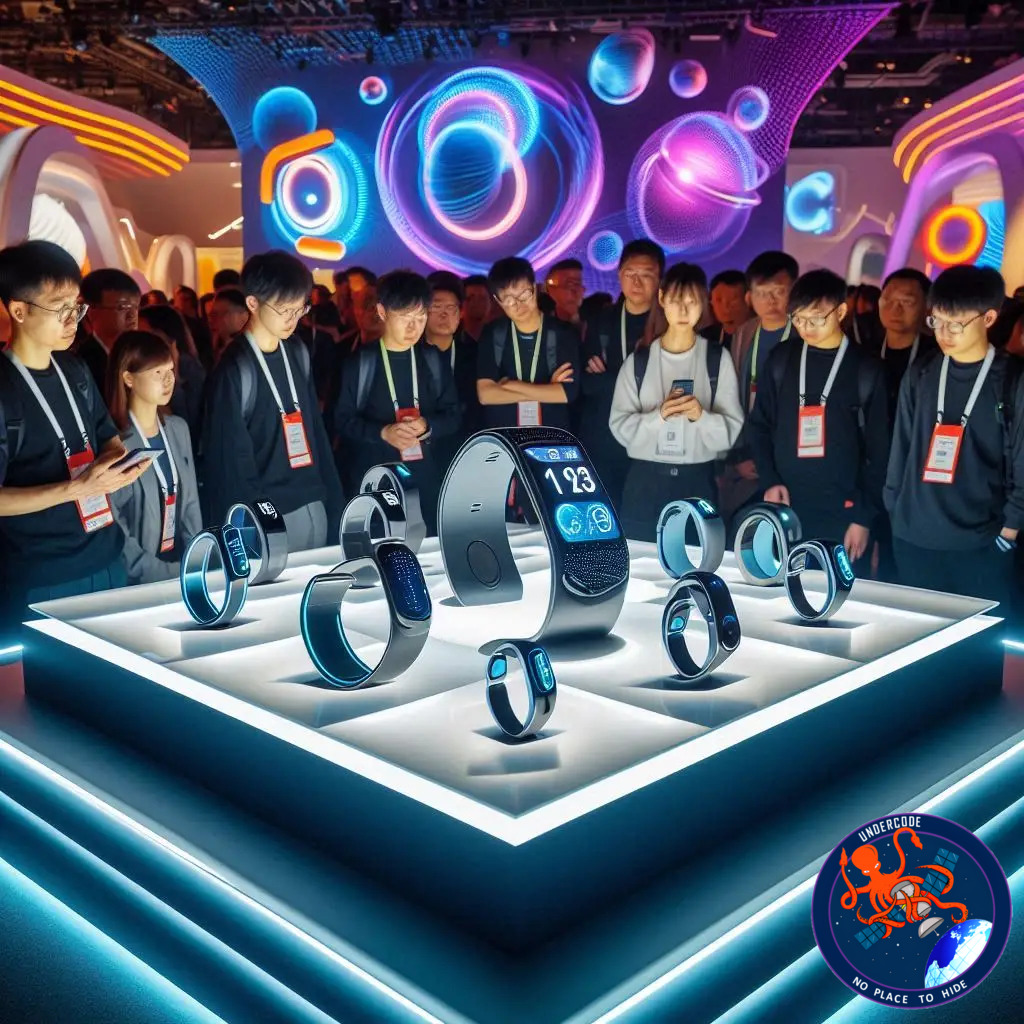
Artificial intelligence is no longer confined to software—it’s stepping into the world of wearables with unprecedented ambition. At CES 2026, while smart glasses and fitness trackers may dominate headlines, one device is quietly reshaping expectations: Project LUCI by Memories.ai. Designed not just as a gadget, but as a full ecosystem for AI-driven wearables, LUCI promises to deliver memory, context, and utility in ways previous devices have failed to achieve. This isn’t about flashy tech—it’s about meaningful intelligence that can remember, understand, and act almost like a human companion.
The Evolution of LUCI
Project LUCI, short for Long Understanding Contextual Intelligence, builds on the earlier LUCI Pin showcased at last year’s CES. While the original pin was a consumer-focused concept, the latest iteration has pivoted into a developer-first platform. Memories.ai aims to provide hardware that other wearable companies can build upon, creating a flexible system powered by their Large Visual Memory Model (LVMM). Unlike prior AI wearables that struggled to offer meaningful responses, LUCI is designed to understand the user’s life visually, contextually, and continuously.
Memory at the Core
The standout feature of LUCI is its memory layer. Past AI wearables—pins, pendants, and smart glasses—often failed because they captured data without understanding it. LUCI addresses this by encoding continuous video into structured frames for instant indexing and recall, allowing for sub-second searches and contextual memory. This capability enables developers to fine-tune aspects like battery life, latency, UX, and privacy controls, all while using LUCI as a functional baseline.
Hardware Highlights
The LUCI Pin maintains its sleek, square design with a magnetic clasp and weighs under 45 grams. Equipped with a wide-angle 109-degree camera and a privacy switch, it supports two to three hours of continuous recording. However, LUCI is more than a pin—it is a system combining hardware, a companion app, and a real-time world model that encodes events, people, and context over time, offering true AI utility beyond simple command responses.
Security and Privacy
Given the sensitive nature of constant visual recording, privacy is a key concern. Memories.ai collaborates with leading cloud providers and follows enterprise-grade security standards to ensure data encryption and controlled access. Furthermore, LUCI is being developed with on-device processing in partnership with Qualcomm, allowing all memories to remain local, providing users with full control over their personal data.
Developer-Centric Strategy
By focusing on developers, Memories.ai aims to replicate the “Nexus strategy” seen in smartphones—pushing innovation across the ecosystem. They are collaborating with wearable companies such as Rokid, Sharge, and RayNeo to integrate LVMM technology into future devices, potentially setting a new standard for AI wearables in both consumer and enterprise markets.
What Undercode Say:
Project LUCI represents a pivotal shift in the AI wearable landscape. Historically, devices have faltered due to their inability to process, contextualize, and retain data meaningfully. LUCI’s LVMM architecture directly addresses this, introducing a system where AI doesn’t merely capture, but interprets and recalls experiences, effectively bridging the gap between human-like memory and digital intelligence.
This approach could redefine user expectations, as AI wearables evolve from novelty accessories to indispensable tools capable of enhancing productivity, personal organization, and memory augmentation. The developer-first strategy is also critical—it allows the device to become a foundation for innovation rather than a standalone product. This could accelerate wearable adoption, creating an ecosystem where third-party devices leverage LUCI’s intelligence for enhanced applications across healthcare, professional workflows, and personal life logging.
The sub-second search and recall capability positions LUCI uniquely against competitors, which often struggle with latency or fragmented data handling. By combining lightweight hardware, on-device processing, and a sophisticated memory model, the pin may establish a new benchmark for AI utility and user privacy. Its emphasis on context-aware memory allows for more intuitive and proactive responses, potentially turning AI wearables into companions rather than tools.
Moreover, the hardware strategy is as deliberate as the software. Lightweight, discreet, and privacy-conscious, LUCI demonstrates that AI wearables can balance technological sophistication with practical usability. Integration with Qualcomm’s on-device processing could also inspire other manufacturers to prioritize local data computation, further advancing user trust in AI wearables.
Finally, Memories.ai’s collaboration with existing wearable brands signals an ecosystem-oriented future. LUCI is not just a single device but a platform encouraging innovation across companies, potentially leading to a rapid evolution in AI wearable features and market adoption. If successful, LUCI could transform the CES 2026 narrative from flashy gadgets to intelligent, memory-driven wearables.
Fact Checker Results:
✅ Project LUCI is being previewed at CES 2026 and is available for developer testing.
✅ The device uses Memories.ai’s Large Visual Memory Model to encode and recall experiences.
❌ LUCI is not yet a consumer-ready product; full availability is expected later in 2026.
Prediction:
📊 LUCI has the potential to redefine AI wearable standards in 2026. Expect a surge in developer-focused wearable platforms and an increased emphasis on privacy-first, memory-driven AI. By integrating LVMM into multiple devices, Memories.ai may trigger a new wave of intelligent wearables that blend seamlessly into daily life. The AI wearable market could see a 10x growth trajectory as consumer trust in privacy-conscious, contextually aware devices rises.
🕵️📝✔️Let’s dive deep and fact‑check.
References:
Reported By: www.zdnet.com
Extra Source Hub (Possible Sources for article):
https://www.digitaltrends.com
Wikipedia
OpenAi & Undercode AI
Image Source:
Unsplash
Undercode AI DI v2
Bing
🔐JOIN OUR CYBER WORLD [ CVE News • HackMonitor • UndercodeNews ]
📢 Follow UndercodeNews & Stay Tuned:
𝕏 formerly Twitter 🐦 | @ Threads | 🔗 Linkedin | 🦋BlueSky | 🐘Mastodon


