
Listen to this Post
Introduction: Celebrating Grandparents Safely
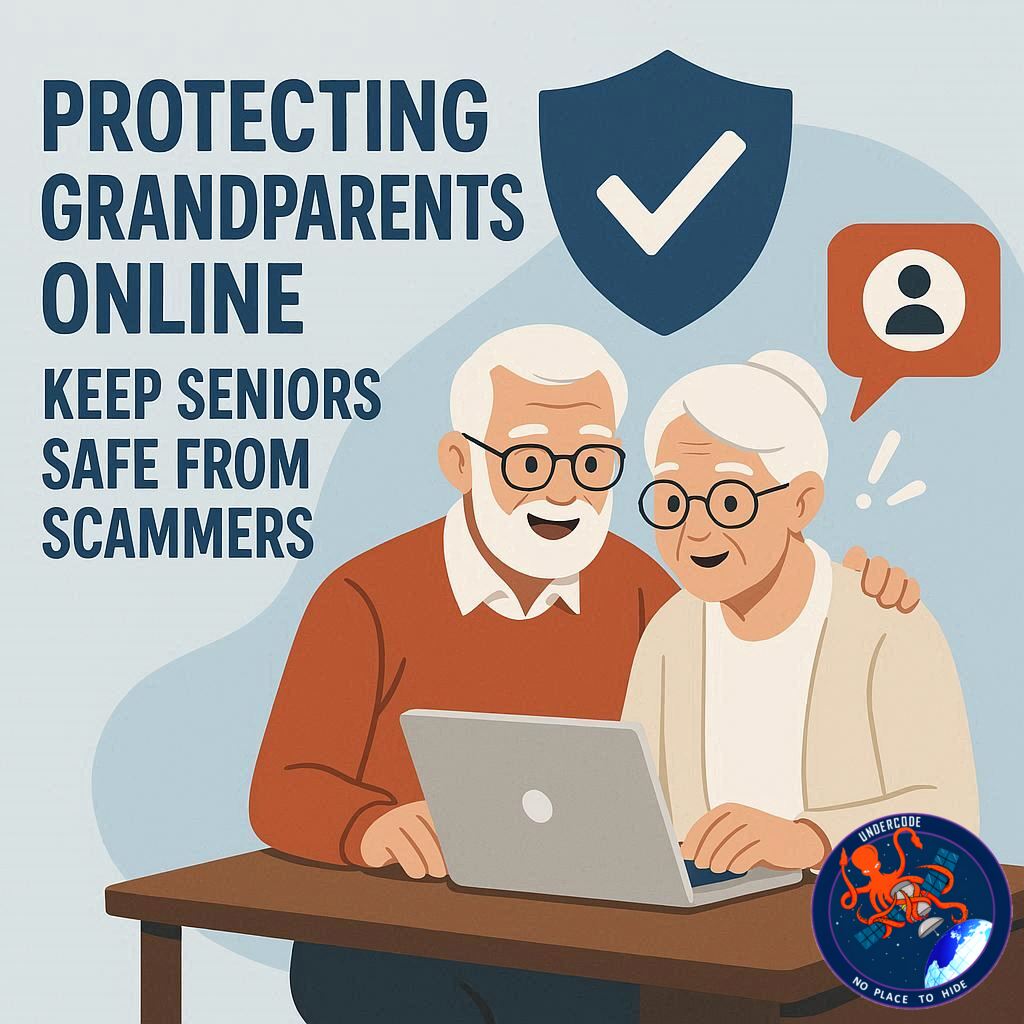
Grandparents hold a special place in our hearts, offering wisdom, love, and unwavering support. But in today’s digital world, they face a rising threat: online scams targeting seniors. This Grandparents Day, it’s not just about gifts and hugs—it’s about keeping them safe from sophisticated fraud schemes that can cost them tens of thousands of dollars. Understanding these risks and taking proactive steps is crucial to protect our loved ones in an increasingly digital age.
The Growing Threat of Online Scams for Seniors ⚠️
A recent FTC report highlights a troubling trend: from 2020 to 2024, financial losses for seniors aged 60 and above have surged dramatically. Victims losing at least \$10,000 quadrupled, while losses exceeding \$100,000 jumped nearly sevenfold. Scammers often impersonate trusted businesses or government agencies, using fake security alerts, bogus criminal accusations, or tech warnings to pressure seniors into transferring money.
These scams typically begin with phone calls, creating panic and isolation. Victims are tricked into sending money via “safe accounts,” Bitcoin ATMs, or couriers. In one significant case, 16 people were charged in connection with a large grandparent scam ring in May 2024. Victims were falsely told that loved ones were in urgent danger and were coerced into sending money. From May to December 2023, estimated losses surpassed \$55 million.
The Rise of AI and Deepfake Scams 🤖
Scammers are now leveraging AI-generated voice technology and deepfakes to impersonate senior US officials or family members. These advanced tactics, once aimed at high-profile individuals, are increasingly targeting everyday seniors. They are used in vishing (voice phishing) and smishing (text phishing) campaigns. The safest approach is to always verify any alarming message or call through a trusted, separate channel.
How to Protect Seniors Online 🛡️
- Raise Awareness of Scam Tactics – Educate grandparents about common schemes.
- Encourage Verification and Second Opinions – Always double-check requests for money or sensitive information.
- Use Scam Detection Tools – Free tools like Bitdefender’s scam detectors can identify potential threats.
- Promote Basic Cyber Hygiene – Strong passwords, regular software updates, and cautious online behavior help prevent attacks.
- Offer Emotional Support – Keep communication open to reduce panic or isolation.
Bitdefender Ultimate Security: Comprehensive Protection for Families 🖥️📱
Bitdefender Ultimate Security offers all-in-one digital protection across Windows, Mac, Android, and iOS. Key features include:
Award-winning malware detection and robust firewall
Anti-phishing and anti-fraud filtering
Unlimited VPN traffic for privacy
Password manager and parental controls
Identity Theft Protection with Dark Web monitoring
Multi-layered scam protection: call blocking, phishing link alerts, and remote access scam safeguards
With these tools, families can safeguard their digital lives and give seniors peace of mind while navigating online spaces safely.
What Undercode Say: Expert Analysis 🔍
Scammers are growing more sophisticated, particularly by exploiting fear and urgency. Seniors are disproportionately affected because social isolation and less tech-savviness make them prime targets. AI-driven scams, such as deepfake voices, are now lowering the barrier for criminals, increasing both frequency and severity.
From a cybersecurity standpoint, layered protection is essential. Traditional antivirus software alone is no longer sufficient. Tools like Bitdefender Ultimate Security provide an integrated approach that combines malware detection, identity protection, and real-time scam alerts.
Education remains crucial. Seniors need ongoing guidance about verification processes and emotional support during suspicious interactions. Families should practice “call verification” routines, confirm financial requests, and maintain open lines of communication to prevent panic-driven decisions.
Data trends suggest that without intervention, losses will continue rising. High-dollar scams, particularly those exploiting familial relationships, are now a top priority for law enforcement agencies. Collaboration between technology providers and families is essential to reduce victimization rates.
Public awareness campaigns, AI-driven scam detection, and multi-device protection solutions are proving effective in reducing losses. However, adoption is uneven, leaving many seniors vulnerable. Encouraging seniors to engage with digital safety tools, coupled with strong community education, is key to long-term resilience.
Fact Checker Results ✅❌
✅ High-dollar scams targeting seniors have increased dramatically in recent years.
✅ AI and deepfake technologies are now actively used in phishing and scam campaigns.
❌ No evidence suggests that all senior-targeted scams involve government impersonation; scammers use varied tactics.
Prediction 🔮
Online scams targeting seniors are likely to become even more sophisticated over the next five years. AI-generated voices and deepfake visuals will be refined, making detection harder. However, adoption of multi-layered cybersecurity solutions, like Bitdefender Ultimate Security, and widespread public awareness campaigns will help reduce victim losses. Seniors who remain educated and cautious online will increasingly be able to navigate the digital world safely while scammers shift focus to less-protected targets.
🕵️📝✔️Let’s dive deep and fact‑check.
References:
Reported By: www.bitdefender.com
Extra Source Hub:
https://www.discord.com
Wikipedia
OpenAi & Undercode AI
Image Source:
Unsplash
Undercode AI DI v2
🔐JOIN OUR CYBER WORLD [ CVE News • HackMonitor • UndercodeNews ]
📢 Follow UndercodeNews & Stay Tuned:
𝕏 formerly Twitter 🐦 | @ Threads | 🔗 Linkedin | 🦋BlueSky | 🐘Mastodon


