
Listen to this Post
Introduction
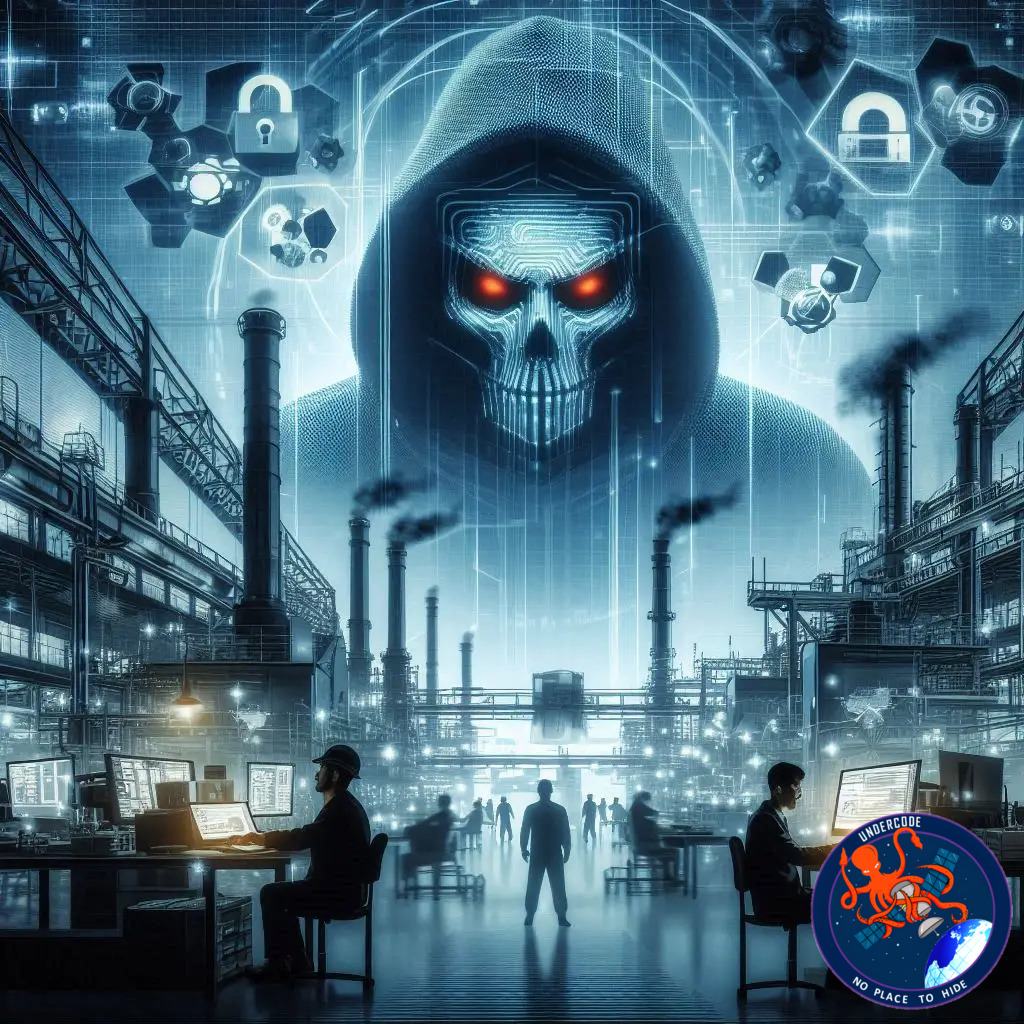
A quiet December morning turned tense for the American manufacturing sector when reports surfaced that Vestil Manufacturing had been struck by the Qilin ransomware group. What began as a simple social update erupted into a reminder of just how fragile industrial operations have become in the age of digital extortion. Factories once defined by steel, sweat, and mechanical precision now face invisible enemies capable of halting production with a single malicious command. This incident doesn’t just tell the story of one company’s disruption — it exposes a widening vulnerability across U.S. manufacturing.
the Original
A Reported Ransomware Disruption
Cybersecurity News Everyday shared information claiming that the Qilin ransomware group targeted Vestil Manufacturing in the United States, reportedly disrupting parts of its operations.
Highlighting Industry Vulnerability
The post underscores a rising pattern of ransomware events hitting U.S. manufacturers. Companies that rely on automated systems, logistics software, and digital production lines are increasingly on attackers’ radar.
Growing Concerns Across Twitter (X)
The original source appears in a brief tweet, pulling attention from cybersecurity-focused channels and threading the story into broader trending topics. While the tweet is concise, its implications are weighty.
Industry Reaction
Even with minimal details, the mention of a manufacturing disruption linked to ransomware reignited conversations among analysts and threat researchers who follow digital attacks on critical industries.
Spotlight on Qilin Group
Qilin is known for targeting sectors where downtime is expensive and quick ransom payments are more likely. The mention of their involvement adds pressure and curiosity among cyber professionals.
Public Engagement
Although the tweet didn’t go viral, it contributed to ongoing chatter about rising cyberattacks in American manufacturing businesses.
Contextual Noise Around the Post
Surrounding trending items on the platform — politics, entertainment, finance — reveal how such cybersecurity incidents coexist with everyday digital consumption.
Manufacturing Sector on Edge
With attacks growing more frequent, the American manufacturing sector has become one of the most attractive targets for digital extortionists seeking rapid payouts and high-impact results.
Short but Alarming Notice
The article’s core: a single message serving as a siren that something went wrong inside an American industrial operation. Even without further details, the disruption alone warns that attackers are getting bolder.
What Undercode Say:
A Fragmented Warning with Heavy Implications
This report, though brief, reminds us that modern manufacturing is inseparably tied to digital workflows. Every conveyor system, automated crane, and inventory scanner depends on software vulnerable to exploitation. Attackers like Qilin know that downtime in manufacturing is measured not in minutes but in costly backlogs, broken supply chains, and frustrated customers.
Manufacturers as Soft Targets
Unlike banks or major cloud companies, many mid-sized manufacturing firms still operate legacy infrastructure patched together over decades. Their networks often blend outdated operational technology with newer digital tools. This hybrid environment creates gaps — precisely the kind ransomware groups exploit.
The Economics of Extortion
Ransomware isn’t just cybercrime; it’s a business model. Attackers study industries where a single hour of downtime may cost millions. Manufacturing is at the top of that list. When a factory halts, supply chains ripple, orders freeze, and financial pressure mounts. In such cases, ransom payments can seem cheaper than prolonged outages.
Qilin’s Operational Pattern
While details are scarce, Qilin typically seeks high-value victims with vulnerable OT-IT interconnections. Their attacks frequently involve encrypting data, stealing sensitive files, and threatening public leaks to intensify pressure. If Vestil Manufacturing was indeed targeted, it fits an observable pattern.
Industrial Blind Spots
The risk extends beyond encryption. Many manufacturing systems cannot be easily rebooted. Machines run proprietary software that technicians struggle to restore after an attack. Recovery can take days or weeks — a window attackers exploit to force negotiations.
A Sector Unprepared for Modern Threats
Even as cybersecurity budgets rise, many factories still view cyber protection as optional rather than essential. This mindset produces predictable outcomes: infiltration, paralysis, ransom demands, and lost productivity.
Where the Danger Is Growing
As IoT devices and automated robotics become standard, each new connection becomes a possible attack surface. Without segmented networks, strong authentication, and continuous monitoring, these systems become ticking time bombs.
A Glimpse Into 2026’s Cyber Landscape
The Vestil incident — if confirmed — foreshadows a year where industrial ransomware could surge. Attackers are refining their techniques, learning which sectors pay quickly, and mapping vulnerabilities across supply chains.
Why Public Posts Matter
Short social media updates may seem trivial, yet they serve as early indicators for cybersecurity watchers. A single tweet can mark the beginning of a wider pattern or reveal the first crack in a company’s defenses.
The Silent Cost to the U.S. Economy
Each manufacturing breach chips away at national productivity. Beyond private losses, these incidents impact workforce stability, shipment schedules, and international competitiveness.
Fact Checker Results
✅ The Qilin ransomware group is known for targeting industrial and manufacturing sectors.
❌ Public details about Vestil’s operational disruption remain limited in the original source.
❌ No confirmation of ransom payment or further escalation has been provided publicly.
Prediction
Ransomware attacks against U.S. manufacturing are likely to intensify in 2026, driven by increasing automation and outdated industrial systems. ⚠️
More mid-sized factories may become prime targets as attackers look for victims with limited security budgets. 🔍
Expect regulatory pressure on manufacturers to adopt stricter digital protections before disruptions become systemic. 📊
🕵️📝✔️Let’s dive deep and fact‑check.
References:
Reported By: x.com
Extra Source Hub (Possible Sources for article):
https://www.quora.com/topic/Technology
Wikipedia
OpenAi & Undercode AI
Image Source:
Unsplash
Undercode AI DI v2
Bing
🔐JOIN OUR CYBER WORLD [ CVE News • HackMonitor • UndercodeNews ]
📢 Follow UndercodeNews & Stay Tuned:
𝕏 formerly Twitter 🐦 | @ Threads | 🔗 Linkedin | 🦋BlueSky | 🐘Mastodon


