
Listen to this Post
Introduction: A New Wave of Cyber Threats Emerges
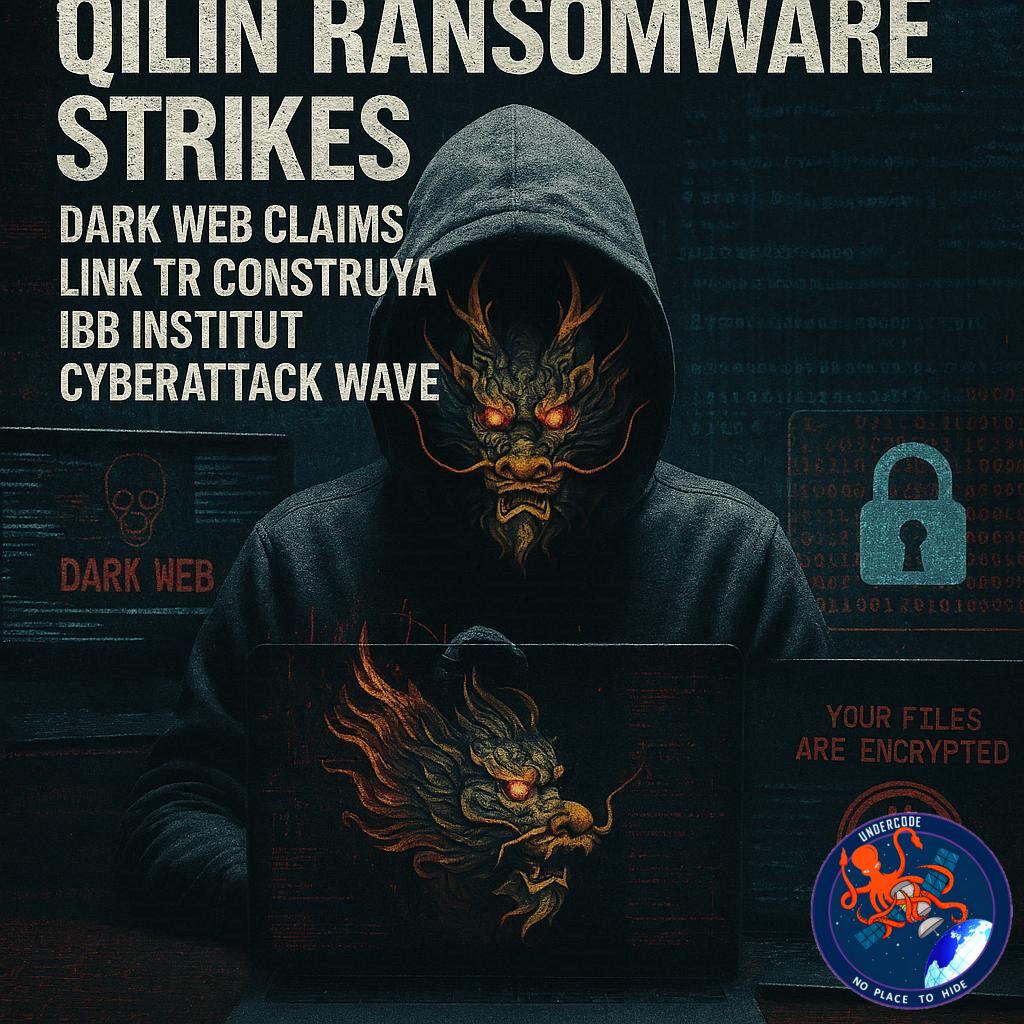
Cybersecurity threats continue to evolve at an alarming pace, with ransomware groups becoming more organized, strategic, and aggressive. One such group, known as Qilin, has recently surfaced again in dark web intelligence reports, allegedly targeting multiple organizations across different sectors. According to threat monitoring sources, two new victims—TR Construya and IBB Institut für Bildung und Beratung—have been added to the group’s growing list.
These claims, originating from dark web monitoring activity, highlight how ransomware operators continue to exploit vulnerabilities, disrupt operations, and demand high-value payouts. While details remain limited and unverified publicly, the pattern aligns with broader ransomware trends seen globally in recent years.
This article explores the reported incidents, what they reveal about modern ransomware tactics, and what it could mean for businesses moving forward.
the Original Report
Recent threat intelligence activity has identified new alleged victims of the Qilin ransomware group, as reported by the ThreatMon Threat Intelligence Team. According to their monitoring of dark web channels, Qilin has listed TR Construya as one of its latest targets. The timestamp associated with this claim is March 28, 2026, at approximately 18:58 UTC+3, suggesting a very recent development in ransomware activity.
Shortly after, another organization—IBB Institut für Bildung und Beratung—was also reportedly added to the same ransomware group’s victim list. The timing of both announcements indicates a coordinated or closely sequenced set of attacks, which is consistent with how ransomware groups often operate in waves.
The information surfaced via social monitoring platforms, where cybersecurity observers track emerging threats and disclosures from ransomware groups themselves. These disclosures are often part of a strategy used by attackers to pressure victims into paying ransoms by publicly naming them on dark web leak sites.
However, it is important to note that such claims are not always independently verified at the time of publication. Ransomware groups sometimes exaggerate or prematurely disclose victim names to create panic or accelerate negotiations.
The ThreatMon platform, known for tracking indicators of compromise (IOC) and command-and-control (C2) infrastructure, flagged these developments as part of ongoing ransomware surveillance. Their findings suggest that Qilin remains active and continues to expand its list of targets across industries.
The mention of these organizations does not necessarily confirm data breaches or successful encryption events. Instead, it indicates that the group claims responsibility or is attempting to associate itself with these entities.
Overall, the report reflects a growing trend in ransomware operations: public exposure as leverage. By listing victims on dark web platforms, attackers increase reputational pressure, potentially forcing companies into quicker decisions regarding ransom payments.
What Undercode Say:
The Rise of Reputation-Based Ransomware Pressure
Ransomware groups like Qilin are no longer relying solely on encryption as their primary weapon. Instead, they increasingly leverage public exposure as a psychological and reputational attack vector. By naming companies on dark web leak sites, they create immediate pressure not only internally but also externally—from customers, partners, and regulators.
Dark Web Claims as Strategic Messaging
The publication of victim names should be viewed as part of a broader communication strategy. These announcements are often timed and crafted to maximize visibility and urgency. Even without confirmed breaches, the mere association with a ransomware group can damage trust and trigger internal crisis responses.
Multi-Victim Announcements Indicate Operational Efficiency
The near-simultaneous listing of two organizations suggests that Qilin may be operating with a streamlined attack pipeline. This could involve automated scanning, rapid exploitation, and coordinated disclosure tactics, reflecting a mature and scalable ransomware operation.
Lack of Verification Remains a Critical Issue
One of the biggest challenges in interpreting such reports is the absence of independent verification. Companies are often slow to confirm incidents, either due to ongoing investigations or reputational concerns. This creates a gray area where claims exist without clear confirmation.
Education and Construction Sectors as Emerging Targets
The alleged victims span different industries, including education and construction-related services. This diversity highlights that ransomware groups are not limiting themselves to traditional high-value sectors like finance or healthcare. Instead, they are targeting organizations with varying levels of cybersecurity maturity.
The Role of Threat Intelligence Platforms
Platforms like ThreatMon play a crucial role in early detection and awareness. By monitoring dark web activity and correlating indicators, they provide organizations with valuable insights into emerging threats. However, their data should always be interpreted with caution and supplemented with internal verification.
Psychological Warfare in Cybersecurity
Modern ransomware is as much about psychology as it is about technology. Public disclosures, countdown timers, and data leak threats are all designed to create urgency and fear. This psychological dimension is becoming increasingly central to ransomware operations.
The Economics of Ransomware
From an economic perspective, ransomware remains highly profitable. The cost of launching attacks is relatively low compared to the potential payouts. Public victim listings increase the likelihood of payment, making the model even more attractive to attackers.
Organizational Preparedness Still Lags
Despite growing awareness, many organizations remain underprepared for ransomware incidents. Weak patch management, insufficient monitoring, and lack of incident response planning continue to be exploited by attackers.
The Importance of Incident Response Transparency
Organizations face a difficult balance between transparency and risk management. While public acknowledgment can build trust, it may also expose vulnerabilities or invite further attacks. This tension complicates how companies respond to ransomware claims.
Regulatory Pressure is Increasing
Governments and regulatory bodies are beginning to impose stricter requirements for breach disclosure. This may reduce the ambiguity around ransomware claims in the future, forcing clearer and faster communication from affected organizations.
Attack Attribution Remains Complex
Even when a group claims responsibility, attribution is not always straightforward. Different ransomware groups may collaborate, share tools, or even falsely claim attacks. This complicates the process of identifying the true source of an incident.
Cybersecurity as a Business Priority
Incidents like these reinforce the need for cybersecurity to be treated as a core business function rather than a technical afterthought. Leadership teams must integrate security into strategic planning and risk management.
The Role of Media and Social Platforms
Social media platforms have become a key channel for disseminating threat intelligence. While this increases speed and accessibility, it also raises concerns about misinformation and lack of verification.
Future Outlook: More Public Disclosures Ahead
The trend of publicly naming victims is unlikely to slow down. As ransomware groups refine their strategies, we can expect more frequent and more aggressive disclosure tactics in the future.
🔍 Fact Checker Results
Verification Status of Victim Claims
❌ The claims regarding TR Construya and IBB Institut are based on dark web disclosures and have not been independently confirmed by official statements.
Reliability of Source Intelligence
✅ Threat intelligence platforms like ThreatMon are معتبر in tracking ransomware activity, but their findings should be treated as early warnings rather than confirmed facts.
Pattern Consistency with Known Ransomware Behavior
✅ Publicly listing victims aligns with established ransomware tactics used to pressure organizations into paying demands.
📊 Prediction
Increasing Use of Public Exposure Tactics
Ransomware groups will continue to weaponize public disclosures, making reputational damage a central part of their attack strategy.
Broader Target Expansion Across Industries
More mid-sized and less-protected sectors will become frequent targets as attackers seek easier entry points.
Faster Detection but Slower Confirmation
While threat intelligence tools will improve in speed, official confirmations from organizations may continue to lag behind, maintaining uncertainty in early reports.
Growing Regulatory Intervention
Governments will likely introduce stricter disclosure laws, reducing ambiguity and forcing companies to respond more transparently to ransomware incidents.
🕵️📝✔️Let’s dive deep and fact‑check.
References:
Reported By: x.com
Extra Source Hub (Possible Sources for article):
https://www.quora.com
Wikipedia
OpenAi & Undercode AI
Image Source:
Unsplash
Undercode AI DI v2
Bing
🔐JOIN OUR CYBER WORLD [ CVE News • HackMonitor • UndercodeNews ]
📢 Follow UndercodeNews & Stay Tuned:
𝕏 formerly Twitter 🐦 | @ Threads | 🔗 Linkedin | 🦋BlueSky | 🐘Mastodon


