
Listen to this Post
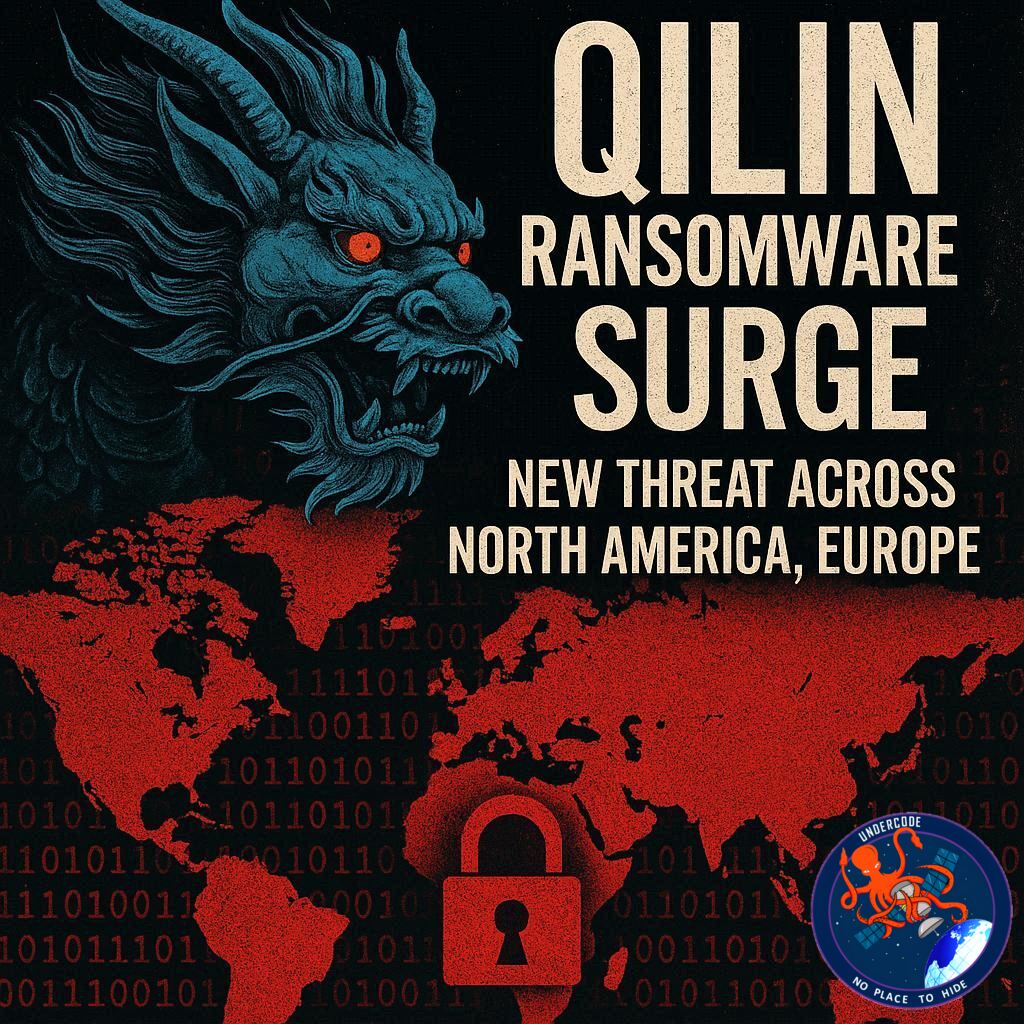
The cybersecurity landscape in 2025 is facing an alarming escalation with the emergence of Qilin ransomware. Unlike typical ransomware strains, Qilin combines advanced Linux payloads with BYOVD (Bring Your Own Vulnerable Driver) exploits, allowing attackers to penetrate corporate networks more stealthily and effectively. Targeting sectors such as manufacturing, scientific research, and trade, Qilin has already affected over 40 organizations monthly across North America and Europe, signaling a sophisticated and persistent threat that cannot be ignored.
Understanding the Qilin Threat
Qilin ransomware represents a significant evolution in cybercrime. Its integration of Linux payloads indicates that attackers are diversifying beyond traditional Windows environments, aiming at servers and industrial systems that often run on Linux. BYOVD exploits further enhance Qilin’s attack capabilities by allowing malware to exploit legitimate, vulnerable drivers, bypassing standard security protections. This combination enables attackers to execute malicious code with higher privileges, evade detection, and spread laterally across networks with devastating efficiency.
In practical terms, organizations in the manufacturing sector are particularly vulnerable. Industrial control systems (ICS) and operational technology (OT) networks, which often rely on Linux-based infrastructure, become prime targets. Scientific institutions, which store sensitive research data, and trade companies, which manage extensive supply chain systems, also face significant operational and financial risks. The ransomware’s impact is amplified by its ability to remain undetected for extended periods, allowing attackers to extract data or demand large ransoms before intervention occurs.
The North American and European focus is notable. Both regions host a dense network of manufacturing hubs, research facilities, and logistics centers. The frequency of attacks—over 40 per month—suggests a well-resourced, organized criminal operation capable of sustained campaigns rather than opportunistic breaches. Analysts are observing that Qilin’s deployment of Linux-targeted ransomware indicates a strategic shift among cybercriminals toward exploiting less-protected, high-value targets.
Technical Analysis of Qilin
Qilin leverages a dual-pronged attack vector. First, its Linux payloads infiltrate servers, enabling control over critical infrastructure. Second, the BYOVD technique provides a backdoor to escalate privileges, effectively bypassing conventional antivirus and endpoint detection systems. This makes remediation extremely challenging and often necessitates complete system reimaging. Furthermore, Qilin’s attack patterns suggest automation and the use of exploit kits to efficiently identify vulnerable systems, increasing the speed and scale of each attack wave.
The ransomware also exhibits adaptability. Attackers appear to tailor payloads to the victim environment, ensuring maximum disruption. By targeting specific sectors, Qilin can disrupt manufacturing schedules, delay scientific research, and compromise international trade logistics. This sector-specific targeting aligns with the broader trend in ransomware operations that focus not only on ransom extraction but also on causing operational chaos to pressure organizations into paying quickly.
What Undercode Say:
Qilin ransomware is a stark reminder that cybersecurity is no longer about defending against generic threats—it is about anticipating highly targeted, adaptive attacks. The combination of Linux payloads and BYOVD exploits signifies a level of technical sophistication that traditional IT security frameworks struggle to address. For industrial and research institutions, this means that conventional antivirus solutions and perimeter defenses are insufficient.
Organizations need to adopt a proactive security posture that includes continuous monitoring, behavioral analytics, and rapid incident response capabilities. Segmentation of networks, particularly isolating OT and ICS systems from general IT infrastructure, is crucial to minimize lateral movement during an attack. Additionally, frequent vulnerability scanning and patching of drivers, even those considered trusted, can reduce the risk of BYOVD-based exploitation.
Another concerning aspect is the geographic concentration of attacks. North America and Europe remain high-value targets due to the density of critical infrastructure and economic activity. Cybercriminals are clearly investing in reconnaissance to identify vulnerable industries and exploit systemic weaknesses. This suggests that Qilin may be part of a broader trend toward industrial-scale ransomware operations, emphasizing stealth, precision, and operational disruption over sheer volume.
From a strategic perspective, companies must treat cybersecurity as integral to business continuity planning. Ransomware is no longer just a digital problem—it has real-world consequences, including supply chain interruptions, intellectual property theft, and reputational damage. Investments in threat intelligence, endpoint detection, and cross-industry collaboration can provide the early warning and defensive edge needed to counter evolving threats like Qilin.
Moreover, law enforcement and cybersecurity agencies must adapt to these new methods. Public-private partnerships, international collaboration, and real-time threat intelligence sharing are essential to respond effectively to ransomware strains that cross borders and industries. Without these measures, attacks will continue with increasing sophistication, leaving organizations scrambling to react instead of proactively defend.
Fact Checker Results:
✅ Qilin ransomware targets Linux systems and uses BYOVD exploits.
✅ Over 40 organizations per month in North America and Europe are affected.
❌ No public evidence yet suggests Qilin has caused permanent industrial shutdowns.
Prediction:
💥 Qilin ransomware attacks are likely to escalate in 2026, expanding into additional high-value sectors like healthcare and logistics. Organizations that fail to adopt proactive defenses may face increasing operational disruptions and ransom demands. Collaboration between cybersecurity firms and government agencies will be critical to mitigating this growing threat.
🕵️📝✔️Let’s dive deep and fact‑check.
References:
Reported By: x.com
Extra Source Hub (Possible Sources for article):
https://www.reddit.com
Wikipedia
OpenAi & Undercode AI
Image Source:
Unsplash
Undercode AI DI v2
Bing
🔐JOIN OUR CYBER WORLD [ CVE News • HackMonitor • UndercodeNews ]
📢 Follow UndercodeNews & Stay Tuned:
𝕏 formerly Twitter 🐦 | @ Threads | 🔗 Linkedin | 🦋BlueSky | 🐘Mastodon


