
Listen to this Post
Introduction
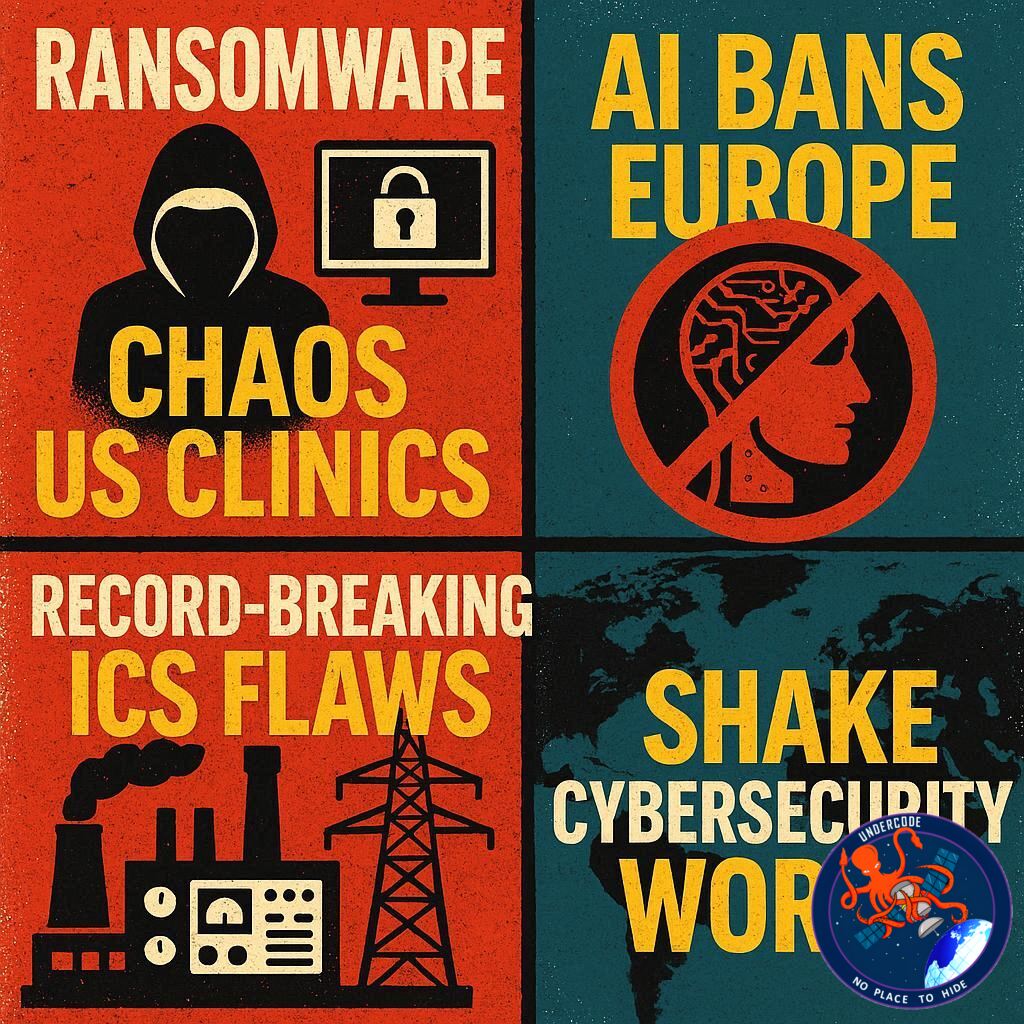
The global cybersecurity landscape is entering a volatile new phase. In a single week, ransomware attacks crippled healthcare services across the United States, industrial control system (ICS) vulnerabilities surged to unprecedented levels, and European lawmakers moved aggressively to restrict artificial intelligence tools following sensitive data leaks. Combined with leadership shakeups and massive data exposures, these events reveal a digital ecosystem under sustained pressure—where cyber risk is no longer theoretical but operational, political, and deeply human.
the Original Report
The latest update shared by Cybersecurity News Everyday paints a stark picture of a turbulent week in cyber defense. Ransomware attacks disrupted multiple U.S. medical clinics, forcing delays in patient care and exposing how fragile healthcare infrastructure remains when faced with coordinated cybercriminal activity. At the same time, vulnerabilities in industrial control systems reached record highs, raising alarms about the security of critical infrastructure sectors such as energy, manufacturing, and transportation.
Across the Atlantic, the European Parliament took decisive action by banning certain AI features following revelations of data leaks and misuse. Law enforcement agencies intensified crackdowns on cybercrime networks, signaling a tougher stance but also highlighting how widespread and entrenched these threats have become. Leadership changes within major tech and security organizations added another layer of instability, while newly disclosed data breaches exposed vast quantities of sensitive information.
The report underscores a common theme: cyber threats are converging. Healthcare, government, and industrial systems are all under pressure at the same time, and the pace of incidents is accelerating. What once felt like isolated breaches now looks like a sustained global campaign testing the limits of digital resilience, regulatory readiness, and executive leadership.
What Undercode Say:
This week’s developments reveal a cybersecurity environment that is no longer merely reactive—it is structurally stressed. The ransomware attacks on U.S. clinics are particularly troubling because they demonstrate how attackers continue to exploit sectors where downtime is unacceptable. Healthcare organizations often pay the highest price, not just financially, but in patient trust and safety. These incidents suggest that despite years of warnings, many clinics still lack segmentation, offline backups, and tested incident response plans.
The record-breaking rise in ICS vulnerabilities is arguably even more dangerous in the long term. Industrial systems were never designed with modern threat models in mind, yet they now sit exposed to the internet, patched irregularly, and operated by teams with limited security resources. A single exploited flaw in these environments can cascade into physical damage, environmental harm, or nationwide service outages. This is not just an IT problem—it is a national security concern.
Europe’s move to restrict AI features reflects a growing realization that innovation without governance can backfire. While AI promises efficiency and insight, poorly controlled systems can leak data at scale or be weaponized for surveillance and manipulation. The decision by the European Parliament signals a shift from “AI-first” enthusiasm to “trust-first” regulation, a model that other regions may soon emulate.
Law enforcement crackdowns are a positive signal, but they also expose a hard truth: arrests and takedowns lag far behind the speed of cybercrime. Ransomware groups rebrand, migrate, and resurface faster than legal processes can keep up. Leadership shakeups inside cybersecurity firms and technology companies further complicate matters, often delaying strategic decisions at the exact moment clarity is needed most.
Taken together, these events suggest 2026 is shaping up to be a defining year. Organizations that still treat cybersecurity as a compliance checkbox will struggle. Those that integrate security into executive decision-making, supply chain oversight, and product design may survive the turbulence. The gap between cyber-mature and cyber-exposed institutions is widening—and attackers are clearly targeting the weaker side.
fact checker results
The reported ransomware disruptions in U.S. clinics align with ongoing healthcare-targeted attack trends.
Public records confirm rising disclosure of ICS vulnerabilities across multiple industries.
The European Parliament has openly debated and enacted restrictions tied to AI data protection concerns.
Prediction
If current patterns continue, ransomware will increasingly target sectors where human impact is immediate, such as healthcare and public services. ICS vulnerabilities will drive new regulatory mandates, forcing operators to modernize legacy systems faster than planned. Meanwhile, AI governance will become a global battleground, with Europe setting the tone and other regions forced to respond under growing public pressure.
🕵️📝✔️Let’s dive deep and fact‑check.
References:
Reported By: x.com
Extra Source Hub (Possible Sources for article):
https://www.reddit.com
Wikipedia
OpenAi & Undercode AI
Image Source:
Unsplash
Undercode AI DI v2
Bing
🔐JOIN OUR CYBER WORLD [ CVE News • HackMonitor • UndercodeNews ]
📢 Follow UndercodeNews & Stay Tuned:
𝕏 formerly Twitter 🐦 | @ Threads | 🔗 Linkedin | 🦋BlueSky | 🐘Mastodon


