
Listen to this Post
Introduction
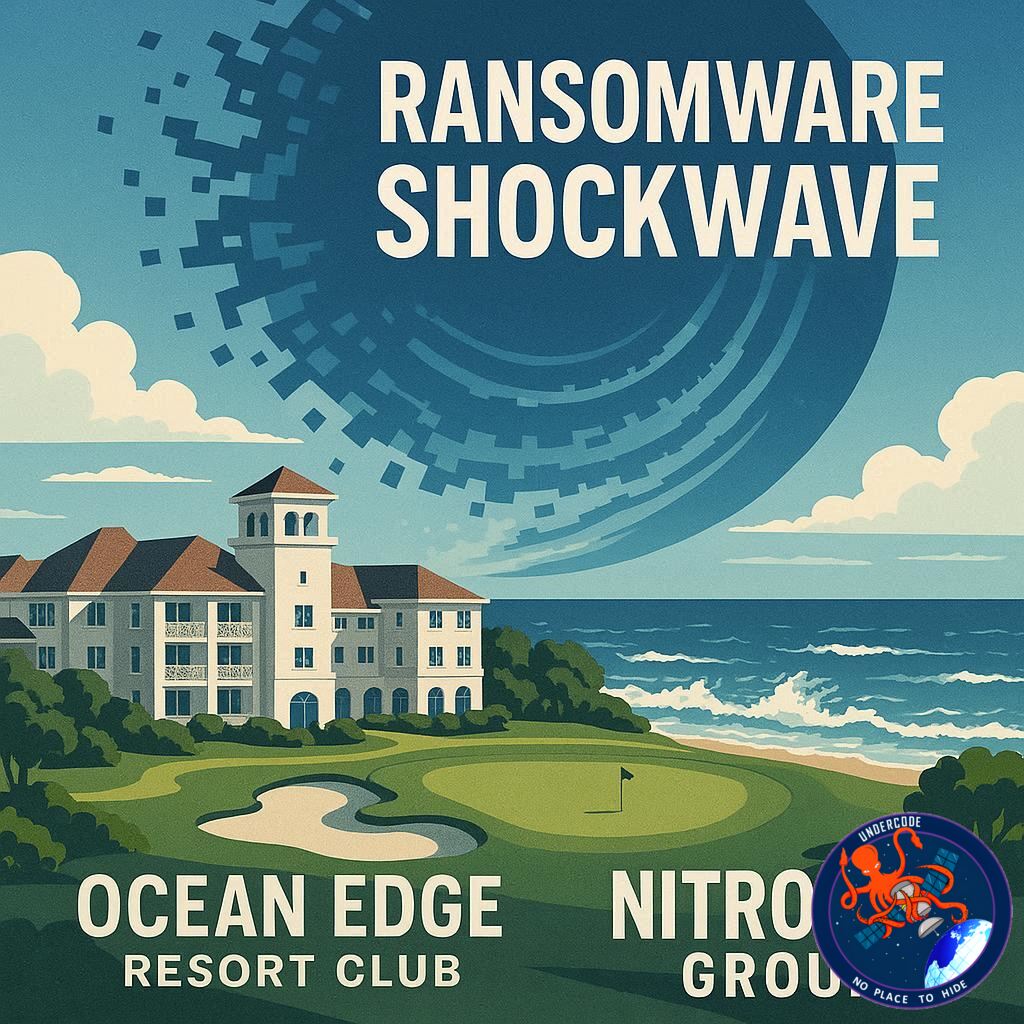
Cybercrime has once again rattled the hospitality industry, as ransomware groups intensify their attacks on high-profile businesses. The Ocean Edge Resort & Golf Club has reportedly fallen victim to the Nitrogen ransomware group, with data leaks confirmed on the dark web. According to ThreatMon’s intelligence monitoring, this marks another alarming strike by hackers targeting leisure and tourism, sectors increasingly vulnerable due to large customer databases and financial transactions. The incident underscores the evolving threat landscape and the urgent need for proactive cybersecurity defenses.
the Incident
ThreatMon Ransomware Monitoring revealed that the Nitrogen ransomware gang has added Ocean Edge Resort & Golf Club to its victim list on August 20, 2025, at 20:31 UTC+3. The disclosure was made via ThreatMon’s dark web monitoring system, which tracks cybercrime activities in real time.
The resort joins a growing list of institutions targeted by organized cybercrime groups. Just hours earlier, another ransomware attack was flagged by the same monitoring team, this time involving the Qilin ransomware group, which struck the Taiwanese company welldone.com.tw.
The hospitality and travel industry has become a prime target because of its sensitive customer information, financial data, and reliance on digital booking platforms. Resorts, hotels, and clubs often store personal identification, credit card details, and corporate records—all valuable assets for cybercriminals.
The Nitrogen group, like many ransomware collectives, uses double-extortion tactics: encrypting data while simultaneously threatening to leak stolen information on dark web forums. This amplifies pressure on victims to pay ransom demands, which often range from hundreds of thousands to millions of dollars.
The timing of the attack, during peak summer vacation months, suggests a calculated move to exploit operational disruptions when customer traffic is highest. Cyber experts believe these groups deliberately strike industries that cannot afford downtime.
ThreatMon’s role is significant here—it functions as a real-time intelligence hub, exposing underground activities before they escalate further. With Ocean Edge Resort & Golf Club now in the spotlight, questions emerge: how deep was the breach, what kind of data was compromised, and will the resort negotiate with the attackers or rely on cybersecurity and law enforcement measures instead?
What Undercode Say:
The attack on Ocean Edge Resort & Golf Club is not an isolated event but part of a larger wave of ransomware assaults targeting global hospitality and tourism. Analysts observe several key trends:
Rising Threat to Leisure Industry: Cybercriminals are pivoting toward high-revenue businesses where the impact of downtime is severe. Resorts and hotels are prime targets due to their dependence on digital systems for reservations, payments, and guest services.
Nitrogen’s Growing Reputation: The Nitrogen group is steadily building a profile within the ransomware ecosystem, gaining notoriety for striking high-value organizations and leaking data aggressively on dark web platforms.
Double-Extortion as Standard Practice: By encrypting files and threatening leaks, attackers maximize ransom leverage. This dual pressure has forced multiple companies into quick settlements to avoid reputation loss.
Qilin’s Parallel Attack: The fact that two separate ransomware groups (Nitrogen and Qilin) launched strikes within hours demonstrates a rising coordination or coincidence trend—either groups are racing for dominance or the cybersecurity landscape is too porous to slow them down.
Dark Web Economy: Stolen data, once leaked, fuels black markets in identity theft, phishing campaigns, and even nation-state espionage. Ocean Edge’s customer data could become a new commodity in underground trading forums.
Financial Impact: The immediate costs of remediation, legal settlements, and system recovery could run into millions of dollars. Beyond financial damage, brand trust may also take years to rebuild.
Regulatory Scrutiny: With stricter data protection laws worldwide, breaches like this invite lawsuits and government fines, further punishing victims already under ransomware stress.
Global Pattern: Attacks in both the U.S. and Taiwan within the same day highlight ransomware’s truly borderless nature. Cybercriminal networks operate across jurisdictions, making it harder for law enforcement to dismantle them.
Urgency for Cybersecurity Upgrades: Companies must adopt stronger endpoint detection, backup systems, employee training, and incident response playbooks to survive this ransomware storm.
Future Risks: If organizations fail to adapt, ransomware groups may soon target not just guest databases but also smart building systems—from keycards to surveillance cameras—potentially paralyzing operations altogether.
Fact Checker Results ✅❌
✅ Ocean Edge Resort & Golf Club has been officially listed as a victim by ThreatMon monitoring.
✅ Nitrogen ransomware is an active group involved in extortion campaigns across multiple industries.
❌ No official confirmation yet from the resort itself regarding ransom demands or negotiation details.
Prediction 🔮
Cyber experts warn that the hospitality sector will remain a prime ransomware target in the coming years. With attackers perfecting their double-extortion playbooks and striking during peak operational seasons, resorts and hotels must anticipate more sophisticated assaults. Unless immediate investments in security infrastructure are made, high-end destinations like Ocean Edge may only be the first of many luxury resorts to fall victim in 2025.
🕵️📝✔️Let’s dive deep and fact‑check.
References:
Reported By: x.com
Extra Source Hub:
https://www.reddit.com/r/AskReddit
Wikipedia
OpenAi & Undercode AI
Image Source:
Unsplash
Undercode AI DI v2
🔐JOIN OUR CYBER WORLD [ CVE News • HackMonitor • UndercodeNews ]
📢 Follow UndercodeNews & Stay Tuned:
𝕏 formerly Twitter 🐦 | @ Threads | 🔗 Linkedin | 🦋BlueSky | 🐘Mastodon


