
Listen to this Post
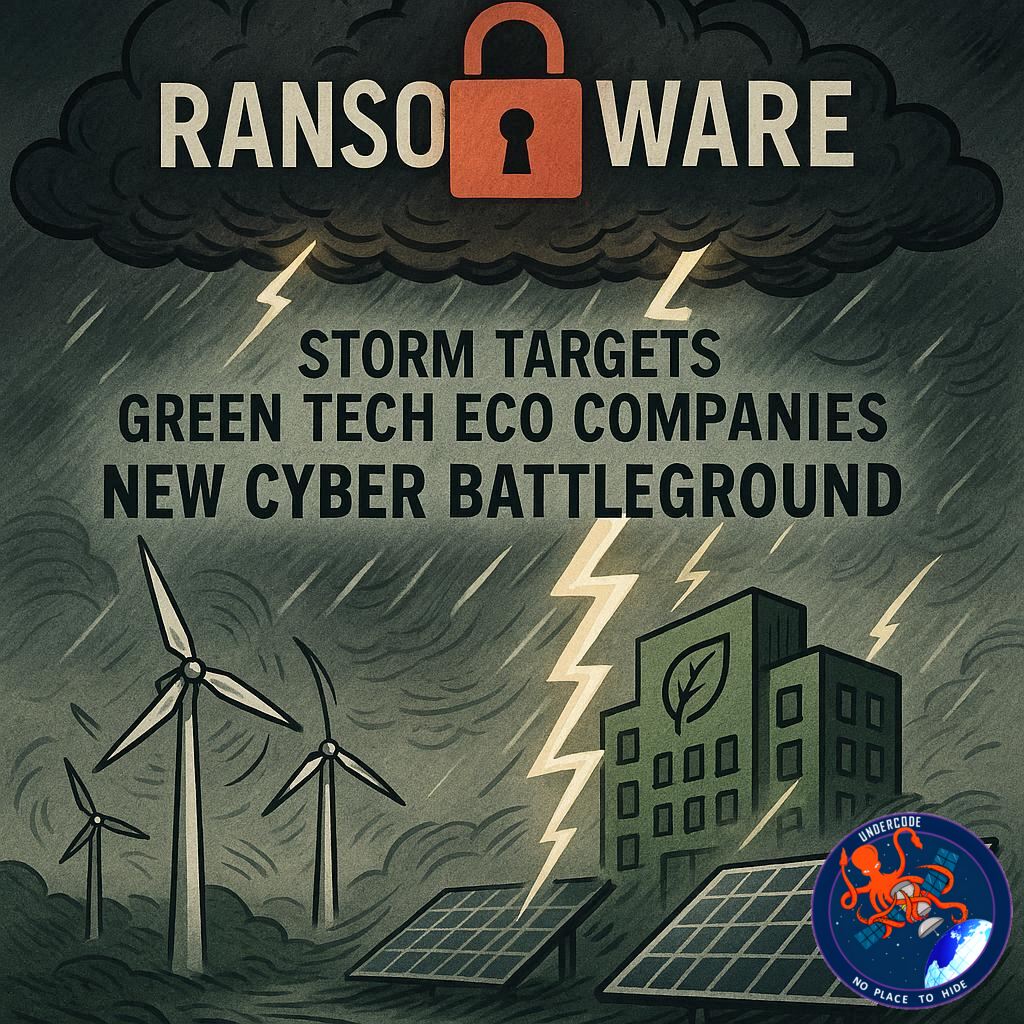
Introduction: A New Wave of Digital Threats Against Sustainability
The cybersecurity landscape is rapidly evolving, and one of the most concerning trends in recent months is the growing focus on environmentally driven companies. Organizations built around sustainability, renewable energy, and eco-friendly missions are increasingly finding themselves in the crosshairs of cybercriminals. These attacks are not just about financial gain—they also threaten innovation, disrupt operations, and erode trust among environmentally conscious consumers.
Recent reports highlight a ransomware group known as “Incransom,” which has claimed responsibility for an attack on Greenology Products, a company known for its eco-friendly initiatives and strong customer focus. While there is currently no verified evidence of a data breach, the claim alone raises serious concerns about the vulnerability of green technology firms. At the same time, another incident involving Ming Hwei Energy, a small solar cell manufacturer in Taiwan, underscores how widespread and disruptive ransomware attacks have become. Together, these events paint a troubling picture of a sector under pressure—not only from market competition but also from cyber threats.
the Original Report
The initial report, shared through a cybersecurity-focused social media account, outlines two separate ransomware incidents affecting companies in the green technology sector. The first involves Greenology Products, a company allegedly targeted by the ransomware group Incransom. According to the claim, the attackers aimed at disrupting the company’s operations and potentially exploiting its customer-focused model. However, as of now, there is no independent confirmation that a data breach has occurred, leaving the situation uncertain but still alarming.
The second incident focuses on Ming Hwei Energy, a Taiwanese manufacturer of solar cells. This company reportedly fell victim to the Exitium ransomware group in March 2026. The attack caused operational disruptions, which is particularly significant given the company’s already challenging position in a highly competitive market dominated by lower-cost Chinese manufacturers. The timing of the attack exacerbates the pressure on the company, highlighting how cyber incidents can compound existing business struggles.
Both cases emphasize the increasing frequency of ransomware attacks across industries, with a notable shift toward smaller or specialized companies. These organizations often lack the robust cybersecurity infrastructure of larger corporations, making them more attractive targets. The reports also reflect a broader trend in which attackers publicly claim responsibility for incidents, sometimes before any independent verification is available. This tactic can amplify fear and reputational damage even in the absence of confirmed data breaches.
Additionally, the report underscores the global nature of ransomware threats. From the United States to Taiwan, companies across different regions and sectors are being targeted. The attacks not only disrupt business operations but also pose risks to supply chains, customer data, and overall market stability. In the context of green technology, these threats carry added significance because they could slow down progress toward sustainability goals and innovation in renewable energy.
Ultimately, the report serves as a reminder that cybersecurity is no longer a secondary concern but a critical component of business resilience. Whether or not the claims against Greenology Products are verified, the mere possibility of such an attack highlights the urgent need for stronger defenses and proactive measures in the face of evolving cyber threats.
What Undercode Say:
The Rise of Ideologically Symbolic Targets
Ransomware groups are no longer choosing victims purely based on financial metrics; symbolism now plays a role. Eco-friendly companies like Greenology Products represent a modern, socially responsible image, making them high-impact targets for cybercriminals seeking attention. Even an unverified claim can damage reputation, especially in industries where trust is everything.
Psychological Warfare Through Unverified Claims
The lack of independent confirmation in the Greenology case is not a weakness—it may be part of the attackers’ strategy. By publicly claiming responsibility, ransomware groups can pressure companies into responding quickly, sometimes even paying ransoms to avoid reputational harm. This tactic weaponizes uncertainty and fear rather than relying solely on technical damage.
Small and Mid-Sized Firms as Soft Targets
Ming Hwei Energy’s situation highlights a recurring issue: smaller firms often lack advanced cybersecurity defenses. While they may operate in critical sectors like renewable energy, their budgets and resources for IT security are limited. This imbalance creates an opportunity for attackers to exploit vulnerabilities with relatively low effort.
Economic Pressure Meets Cyber Threats
The Taiwanese solar manufacturer was already facing stiff competition from cheaper Chinese alternatives. A ransomware attack in such a context is more than a technical disruption—it becomes a strategic blow. Downtime, recovery costs, and reputational damage can push already struggling companies closer to collapse.
Globalization of Cybercrime
These incidents demonstrate that ransomware is a borderless threat. Attackers can target companies in different continents with equal ease, leveraging global networks and anonymous infrastructure. This makes coordinated international cybersecurity efforts more important than ever.
The Double Impact on Green Innovation
Cyberattacks on green tech firms have broader implications beyond individual companies. Disruptions in this sector can delay advancements in renewable energy, sustainability, and environmental protection. In a world racing against climate change, such setbacks carry long-term consequences.
Public Claims as a Marketing Strategy for Hackers
Ransomware groups increasingly behave like brands, promoting their “successes” on public platforms. By claiming high-profile or morally symbolic targets, they build notoriety and credibility within the cybercriminal ecosystem. This can attract affiliates and increase their operational scale.
Supply Chain Vulnerabilities
Green tech companies are often part of complex supply chains involving raw materials, manufacturing, and distribution. A ransomware attack on one node can ripple across the entire network, causing delays and financial losses far beyond the initial victim.
Data vs. Disruption: What Matters More?
Even when no data breach is confirmed, operational disruption alone can be devastating. For companies like Ming Hwei Energy, halted production lines and delayed shipments may have immediate financial consequences that outweigh the risks of data exposure.
The Need for Proactive Cybersecurity Culture
These incidents highlight the importance of moving from reactive to proactive cybersecurity strategies. Companies must invest in threat detection, employee training, and incident response planning to minimize damage and recover quickly when attacks occur.
Reputation as a Critical Asset
For eco-focused brands, reputation is tightly linked to their mission. A ransomware claim—even if false—can erode customer trust. This makes crisis communication and transparency essential components of cybersecurity response.
The Role of Media Amplification
Social media platforms and cybersecurity news accounts play a significant role in spreading information about attacks. While this increases awareness, it can also amplify unverified claims, contributing to panic and misinformation.
Strategic Timing of Attacks
Attackers often strike at moments of vulnerability—during financial stress, market competition, or operational transitions. The Ming Hwei Energy case suggests that timing is not coincidental but carefully chosen to maximize impact.
Cybersecurity as a Competitive Advantage
In industries like green technology, strong cybersecurity can become a differentiator. Companies that demonstrate resilience and reliability may gain trust and outperform competitors in the long run.
Long-Term Industry Implications
If ransomware attacks continue to target green tech firms, the industry may face increased costs for security, insurance, and compliance. These expenses could slow innovation and raise barriers to entry for smaller players.
Fact Checker Results
Verification Status of Greenology Attack
❌ No independent evidence currently confirms a data breach at Greenology Products, making the ransomware claim unverified.
Confirmed Impact on Ming Hwei Energy
✅ Reports indicate that Ming Hwei Energy experienced operational disruption due to a ransomware attack in March 2026.
Broader Trend Accuracy
✅ The increasing frequency of ransomware attacks targeting smaller and specialized companies is well-documented and aligns with current cybersecurity trends.
Prediction
📊 The Future of Ransomware in Green Tech
Ransomware groups will likely continue targeting environmentally focused companies due to their visibility and growing economic importance.
📊 Increased Investment in Cybersecurity
Green tech firms are expected to significantly boost cybersecurity spending, integrating advanced threat detection and response systems into their operations.
📊 Regulatory and Industry Response
Governments and industry bodies may introduce stricter cybersecurity regulations for critical sectors like renewable energy to mitigate risks and protect innovation.
🕵️📝✔️Let’s dive deep and fact‑check.
References:
Reported By: x.com
Extra Source Hub (Possible Sources for article):
https://www.twitter.com
Wikipedia
OpenAi & Undercode AI
Image Source:
Unsplash
Undercode AI DI v2
Bing
🔐JOIN OUR CYBER WORLD [ CVE News • HackMonitor • UndercodeNews ]
📢 Follow UndercodeNews & Stay Tuned:
𝕏 formerly Twitter 🐦 | @ Threads | 🔗 Linkedin | 🦋BlueSky | 🐘Mastodon


