
Listen to this Post
Introduction: A Quiet Cyberattack With Loud Consequences
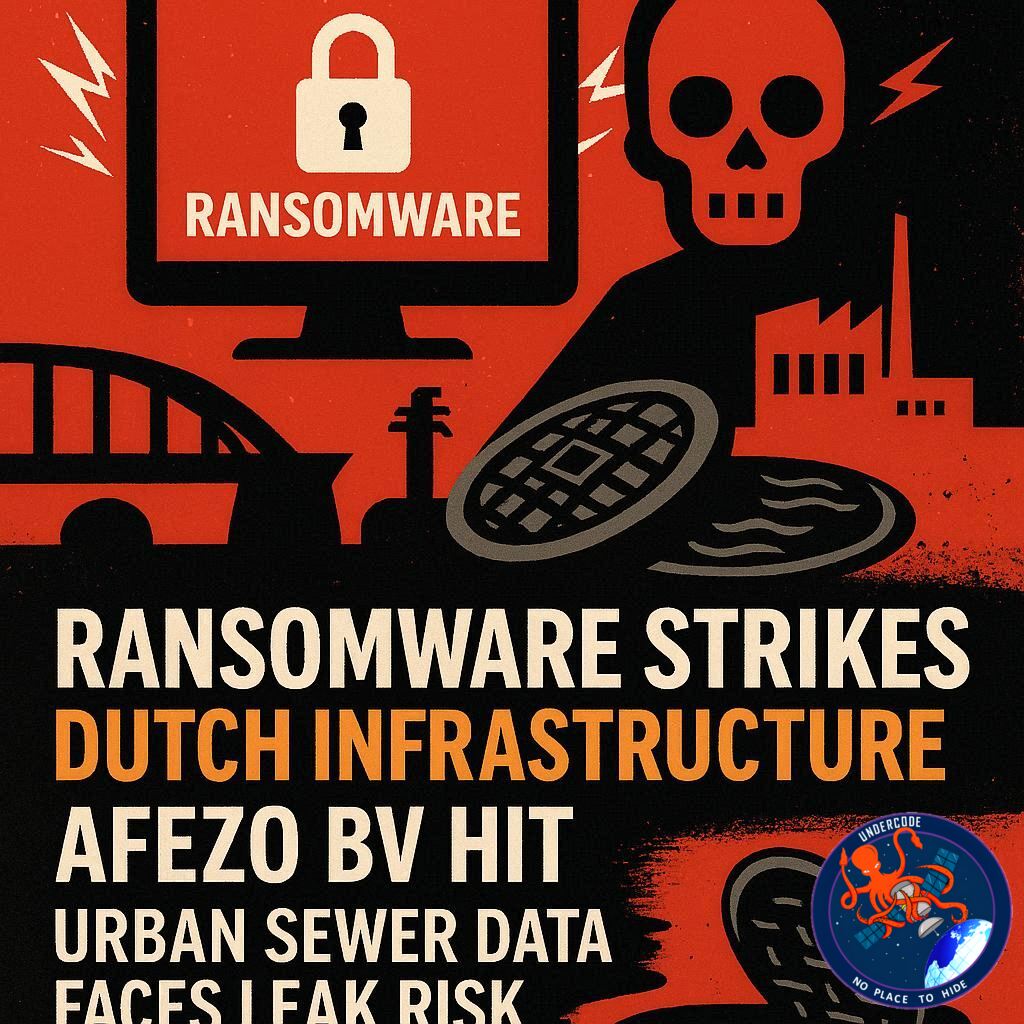
A new ransomware incident in the Netherlands is raising alarms far beyond the usual corporate data breach. A threat actor known as “thegentlemen” has reportedly targeted Afezo B.V., a company linked to urban sewer and infrastructure projects in Amsterdam and the Zaanstreek region. While the attack itself unfolded quietly, the implications are anything but small—touching public infrastructure, municipal planning data, and the growing exposure of engineering firms to ransomware gangs.
the Original Report (Condensed Overview)
The incident was first highlighted by Cybersecurity News Everyday, which reported that the ransomware group “thegentlemen” had encrypted systems belonging to Afezo B.V. According to the post, the attackers may also be in possession of sensitive data connected to sewer systems and infrastructure development projects in Amsterdam and Zaanstreek.
The report suggests that beyond operational disruption, the primary leverage point of the attackers lies in potential data leaks. Engineering documents, urban planning files, and technical schematics—if exposed—could pose risks not only to the company but also to municipalities relying on that data. While no official confirmation from Afezo B.V. or local authorities has been made public at the time of reporting, the attackers’ typical ransomware playbook implies extortion through encryption followed by threats of public disclosure.
The information was sourced from hendryadrian.com, a site known for aggregating ransomware and breach-related intelligence. No ransom amount, negotiation status, or confirmed data leak has yet been disclosed, leaving many open questions about the scope and severity of the breach.
What Undercode Say:
Infrastructure कंपनies Are Becoming Prime Ransomware Targets
This incident fits into a broader and deeply concerning trend: ransomware groups are shifting their focus from purely financial or consumer-data targets toward infrastructure-adjacent organizations. Companies like Afezo B.V. sit in a dangerous middle ground—they are private entities, but the data they manage often has public safety implications. Sewer layouts, drainage models, and infrastructure planning documents are not just “files”; they are blueprints of how cities function.
Thegentlemen’s Strategy Signals Calculated Pressure
The ransomware gang “thegentlemen” appears to be using a familiar double-extortion strategy: encrypt systems to halt operations and threaten data leaks to amplify pressure. In cases involving urban infrastructure, the reputational and regulatory pressure can outweigh the technical damage. Even a partial leak of outdated schematics could trigger public concern, audits, or political scrutiny.
Why Engineering Firms Are Vulnerable
Engineering and infrastructure consultancies often lag behind banks or telecoms in cybersecurity maturity. They prioritize operational technology, CAD systems, and project delivery over zero-trust architectures and continuous monitoring. This creates an environment where ransomware operators can move laterally, encrypt servers, and exfiltrate data before detection.
Municipal Risk Extends Beyond the Vendor
Even if the breach is limited to Afezo B.V.’s internal systems, municipalities like Amsterdam may still feel the impact. Shared credentials, synchronized project repositories, or email-based collaboration can turn a vendor breach into a supply-chain incident. This mirrors past attacks where city governments were indirectly affected through contractors rather than direct compromise.
Silence Often Signals Ongoing Negotiations
The absence of public statements so far should not be mistaken for low impact. In ransomware cases, silence often indicates that negotiations are underway behind closed doors. Companies weigh ransom payment against regulatory exposure, recovery costs, and reputational harm—especially when public infrastructure is involved.
Long-Term Implications for Urban Cybersecurity
This case underscores a growing reality: urban resilience is now inseparable from cybersecurity. Flood control systems, sewage networks, and infrastructure planning data are becoming high-value targets. As smart-city initiatives expand, so does the attack surface. Without mandatory cybersecurity standards for infrastructure contractors, similar incidents are likely to repeat.
🔍 Fact Checker Results
Verification Status and Known Facts
✅ The ransomware claim targeting Afezo B.V. has been publicly reported by established threat-monitoring sources.
✅ Thegentlemen is a known ransomware actor associated with data-leak extortion tactics.
❌ There is currently no public confirmation from Afezo B.V. or Dutch authorities verifying data leakage or ransom demands.
📊 Prediction
What Comes Next in This Case
If negotiations fail, a controlled data leak is likely to follow as proof-of-compromise. Municipal partners may initiate internal security reviews, and Dutch regulators could push for stricter cybersecurity requirements for infrastructure-linked vendors. Longer term, incidents like this will accelerate the classification of engineering and urban planning firms as critical digital infrastructure—making them both more protected and more heavily regulated.
🕵️📝✔️Let’s dive deep and fact‑check.
References:
Reported By: x.com
Extra Source Hub (Possible Sources for article):
https://www.stackexchange.com
Wikipedia
OpenAi & Undercode AI
Image Source:
Unsplash
Undercode AI DI v2
Bing
🔐JOIN OUR CYBER WORLD [ CVE News • HackMonitor • UndercodeNews ]
📢 Follow UndercodeNews & Stay Tuned:
𝕏 formerly Twitter 🐦 | @ Threads | 🔗 Linkedin | 🦋BlueSky | 🐘Mastodon


