
Listen to this Post
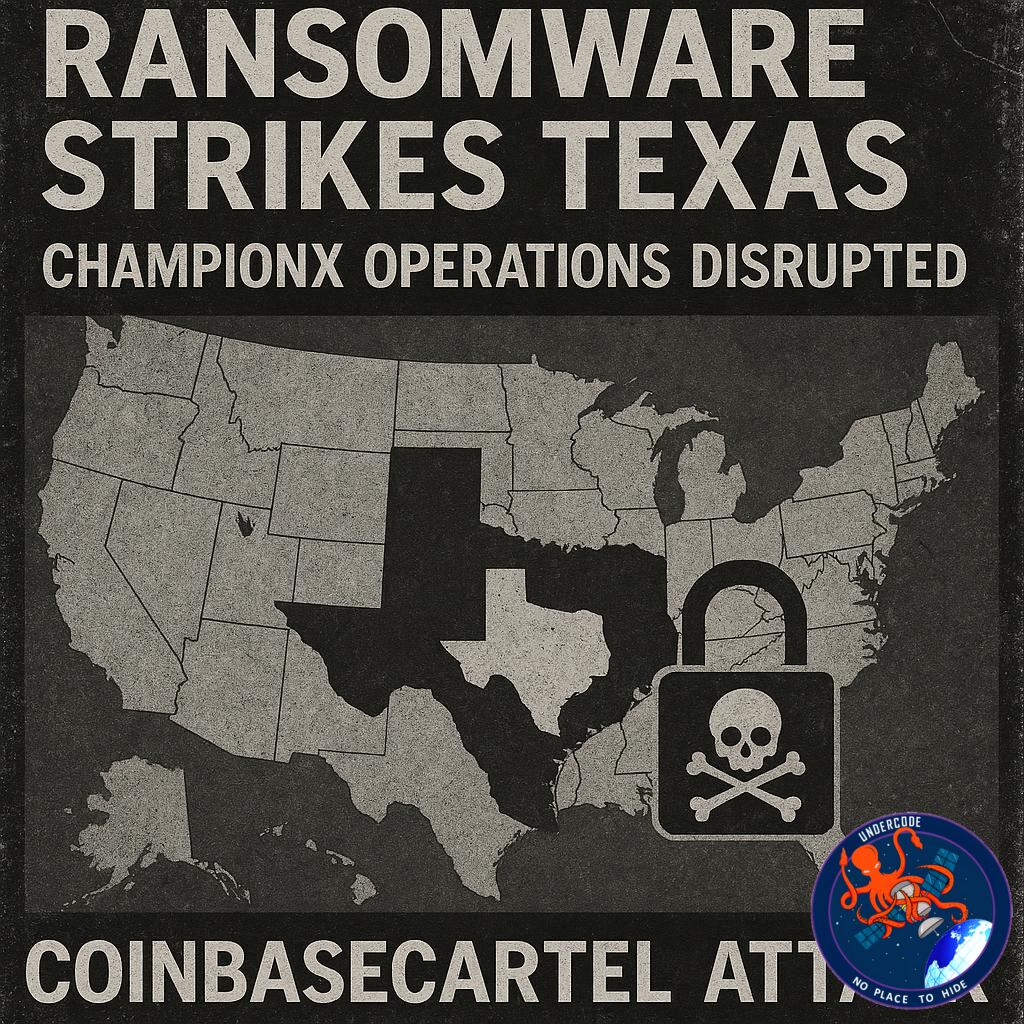
In a startling development in the industrial sector, ChampionX, a prominent Texas-based chemical solutions provider, has fallen victim to a ransomware attack orchestrated by the notorious threat group known as CoinbaseCartel. The attack has caused significant disruptions to the company’s operations across the United States, raising concerns about the vulnerability of critical industrial infrastructure to cyber threats. As the chemical industry relies heavily on continuous operations and precise supply chain management, such incidents can have cascading effects on production, safety, and client deliveries.
ChampionX, known for its wide range of chemical solutions for industrial applications, is facing operational slowdowns following the attack. According to reports, CoinbaseCartel, a group increasingly recognized for targeting high-value corporate networks, successfully infiltrated ChampionX’s systems, encrypting crucial data and potentially demanding a ransom in exchange for decryption keys. While the full scope of the breach is still under investigation, initial impacts suggest interruptions in manufacturing processes, supply chain coordination, and internal communications.
Ransomware attacks like this are not isolated incidents. The industrial sector has become an increasingly attractive target for cybercriminals due to the critical nature of operations, proprietary technologies, and the high financial stakes involved. Attackers often exploit vulnerabilities in legacy systems, employee phishing attacks, or insufficient network segmentation to gain access to sensitive data. Once inside, they can encrypt files, steal information, or even threaten public disclosure, creating pressure on companies to meet ransom demands.
This incident also underscores the broader trend of targeted attacks against companies in essential industries such as chemicals, energy, and manufacturing. The choice of ChampionX indicates that attackers are selectively targeting organizations that, if disrupted, could create significant operational and financial strain. Beyond immediate operational losses, such attacks pose reputational risks, potentially affecting customer trust and investor confidence.
Experts suggest that preparedness and rapid response are key in mitigating the impact of ransomware. Companies are advised to maintain robust backup systems, implement multi-layered security protocols, and regularly conduct employee training to recognize social engineering threats. Additionally, partnerships with cybersecurity firms for incident response planning can significantly reduce recovery time and financial exposure.
The ripple effects of this breach extend beyond ChampionX. Suppliers, clients, and even competing firms may experience indirect disruptions, emphasizing the interconnected nature of industrial supply chains. For U.S. industries, the incident serves as a stark reminder of the need for proactive cyber defense strategies and continuous monitoring to detect and neutralize threats before they escalate.
While CoinbaseCartel’s motives and ransom demands remain unconfirmed, the attack highlights a growing trend of organized cybercrime targeting high-value sectors. Authorities and cybersecurity agencies are likely to increase scrutiny and advisory alerts for chemical and industrial firms, advocating tighter controls and incident readiness protocols.
What Undercode Say:
ChampionX’s ransomware attack by CoinbaseCartel is emblematic of the evolving threat landscape in industrial cybersecurity. Unlike indiscriminate ransomware campaigns, this appears to be a targeted operation, likely leveraging intelligence about the company’s operational dependencies and high-value assets. Targeting chemical solution providers like ChampionX demonstrates the attackers’ understanding that any disruption in production can have far-reaching implications, not just financially but also in terms of safety and regulatory compliance.
From an operational standpoint, this breach exposes the risks associated with legacy systems commonly used in industrial environments. Many chemical and manufacturing firms still rely on outdated control systems that may not have been designed with cybersecurity in mind. The combination of outdated infrastructure and high-value proprietary processes makes such companies prime targets for sophisticated cybercriminal groups.
Another critical dimension is the human factor. Phishing, social engineering, and insider vulnerabilities continue to be the primary attack vectors. Even organizations with advanced technical defenses can falter if employees inadvertently grant access or fall prey to cleverly disguised attacks. Therefore, security awareness programs are as important as firewalls and intrusion detection systems.
Financially, the consequences of such attacks extend beyond ransom payments. Operational delays, lost production, and potential contractual penalties can quickly surpass the cost of any demanded ransom. Additionally, reputational damage may linger long after systems are restored, impacting client trust and market positioning. For publicly traded firms, shareholder scrutiny adds another layer of pressure, influencing stock valuations and corporate governance decisions.
Strategically, the incident highlights a shift in ransomware tactics. Cybercriminal groups like CoinbaseCartel are moving from mass-targeting approaches to precision strikes, focusing on sectors where downtime translates directly into high leverage over victims. This necessitates a proactive cybersecurity posture that integrates threat intelligence, continuous monitoring, and crisis simulation exercises.
Furthermore, regulatory and governmental responses are increasingly relevant. U.S. agencies may tighten reporting requirements, enforce stricter cybersecurity standards, and offer guidance for critical industrial sectors. Companies like ChampionX will need to align internal policies with evolving compliance frameworks to avoid legal repercussions alongside operational disruptions.
From a technical perspective, segmented networks, real-time monitoring of industrial control systems, and secure remote access protocols can help mitigate future threats. Advanced anomaly detection using AI and machine learning can flag suspicious behavior early, enabling rapid intervention before attacks escalate.
The broader takeaway is the interconnectedness of modern industrial operations. A breach at one firm can reverberate across suppliers, clients, and even competitors. This underlines the need for industry-wide collaboration, shared threat intelligence, and public-private partnerships to enhance resilience against cyberattacks.
Ultimately, ChampionX’s situation should serve as a cautionary tale for industrial firms worldwide. Cybersecurity is no longer a support function but a strategic imperative. Investment in defense, response planning, and culture change is essential to withstand the increasingly sophisticated tactics of threat actors like CoinbaseCartel.
Fact Checker Results:
✅ ChampionX confirmed as victim of ransomware attack.
✅ Attack attributed to CoinbaseCartel, a known cybercrime group.
❌ No confirmed data on ransom amount or whether data was fully recovered.
Prediction:
📌 Expect heightened cybersecurity measures in the U.S. chemical sector, with potential new regulatory advisories.
📌 Similar high-value industrial targets may see an increase in targeted ransomware attempts in the coming months.
📌 Investment in AI-driven threat detection and employee cybersecurity training will likely surge as companies seek to mitigate operational risk.
🕵️📝✔️Let’s dive deep and fact‑check.
References:
Reported By: x.com
Extra Source Hub (Possible Sources for article):
https://www.reddit.com
Wikipedia
OpenAi & Undercode AI
Image Source:
Unsplash
Undercode AI DI v2
Bing
🔐JOIN OUR CYBER WORLD [ CVE News • HackMonitor • UndercodeNews ]
📢 Follow UndercodeNews & Stay Tuned:
𝕏 formerly Twitter 🐦 | @ Threads | 🔗 Linkedin | 🦋BlueSky | 🐘Mastodon


