
Listen to this Post
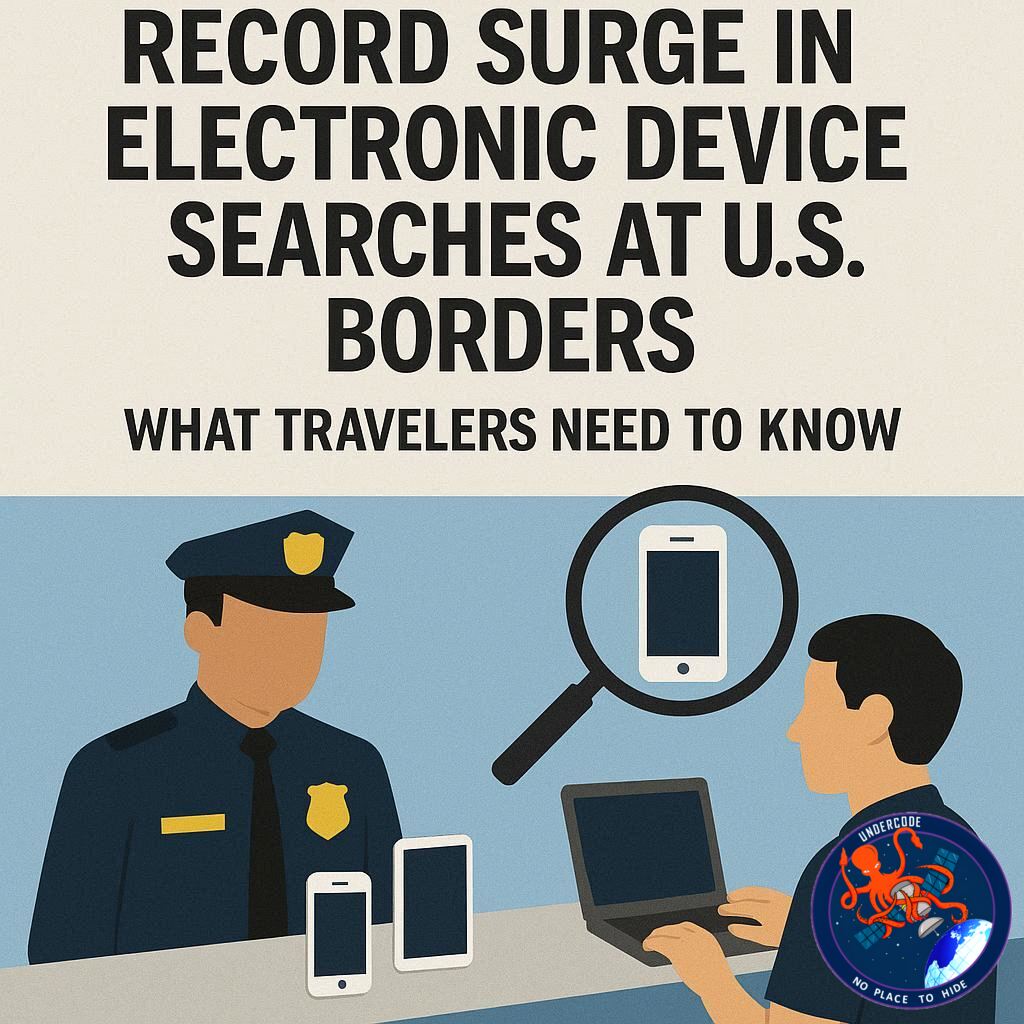
Over the past year, U.S. Customs and Border Protection (CBP) has ramped up searches of electronic devices at the border to unprecedented levels, reflecting a broader push for stricter immigration enforcement. This surge comes amid growing concerns over privacy, international travel, and the expanding authority of border officials. New statistics reveal that in Fiscal Year 2025 (October 2024 to September 2025), CBP conducted over 55,400 electronic device searches, marking a nearly 17% increase from the previous year. While still a small fraction of the millions crossing U.S. borders annually, the trend highlights a significant shift in border security practices.
Dramatic Increase in Device Searches
The rise in searches was particularly pronounced in the second half of the year. Between April and June, CBP searched 14,899 devices, setting a record for a single quarter. That record was surpassed in July through September, when 16,173 phones were inspected. Officials attribute the increase to a combination of enhanced enforcement measures and the administration’s broader immigration policies. These searches often coincide with a decline in international travel, as reports suggest millions of potential visitors reconsider entering the U.S. due to stricter scrutiny and previous detentions related to phone content.
Legal Authority and Scope of Searches
CBP maintains broad legal authority to search electronic devices at the border, including those of U.S. citizens and green card holders. Airports and border zones are generally considered exempt from the Fourth Amendment’s warrant requirements, meaning officials can inspect devices without judicial oversight. Travelers are required to present devices in a condition that allows agents to examine their contents, with refusals potentially leading to device seizure or entry delays.
Types of Device Searches
CBP divides searches into two main categories:
Basic searches: Agents manually scroll through the device.
Advanced searches: Conducted under “reasonable suspicion,” these involve copying and analyzing device data using specialized tools.
Technology Behind Advanced Searches
Advanced searches rely on sophisticated tools like Cellebrite’s UFED and GrayKey, originally developed for criminal investigations. These tools can bypass locks, recover deleted files, and reconstruct activity timelines. CBP has actively sought to expand its technological capabilities, aiming to transform what once required weeks of lab work into routine inspections at checkpoints.
Why These Searches Matter
According to CBP, border searches of electronic devices are integral to enforcing customs, immigration, and other laws. The agency frames these inspections as essential to national security and border integrity, treating airports and border crossings as critical enforcement points.
What Undercode Say:
The surge in electronic device searches reflects a deeper tension between national security and personal privacy. While CBP positions these inspections as routine law enforcement, the frequency and intensity of recent searches raise questions about the proportionality and transparency of such practices. Advanced search tools, originally designed for criminal investigations, are now deployed against ordinary travelers, blurring the line between security enforcement and surveillance.
This escalation also underscores how policy shifts impact travel behavior. Reports of long detentions and denied entry based on phone content create a chilling effect on international tourism, with significant economic and diplomatic implications. Travelers, particularly international visitors, may perceive U.S. borders as hostile or overly intrusive, potentially reshaping travel patterns for years to come.
From a legal perspective, the exemption of border zones from Fourth Amendment protections creates a unique regulatory environment. While the courts have historically upheld broad border search authority, the rapid growth in advanced searches may invite future legal challenges, especially if citizens or green card holders experience repeated or invasive inspections. The balance between security and civil liberties is increasingly delicate.
The operational impact is also notable. CBP’s request for new technologies indicates a strategic push toward automating what was previously labor-intensive work. This could reduce bottlenecks at ports of entry but simultaneously normalizes intensive personal data scrutiny, raising ethical and logistical questions. Additionally, the categorization of searches into basic and advanced types highlights how “reasonable suspicion” has become a flexible standard, potentially subject to inconsistent application across locations and agents.
Economically, the decline in international visitors linked to these enforcement measures may affect industries reliant on tourism and business travel. Countries whose citizens face repeated scrutiny may adjust their travel advisories, influencing global mobility and commerce. Politically, the expansion of digital device inspections aligns with broader trends toward enhanced border enforcement and surveillance, reflecting an era in which technology enables unprecedented levels of state oversight.
In short, while CBP frames these inspections as protective, the broader implications touch on privacy, international relations, legal interpretation, and economic behavior. The trend highlights the growing role of digital data in security frameworks, illustrating how a device once considered personal can become a central point of entry control.
Fact Checker Results:
✅ Device searches reached over 55,000 in FY 2025.
✅ Advanced searches utilize tools like Cellebrite and GrayKey.
❌ The searches represent a small fraction of total border crossings.
Prediction:
📊 The trend of intensified device searches is likely to continue, with CBP adopting even more advanced forensic tools. International travelers may face longer entry times, while legal debates over privacy and Fourth Amendment rights are expected to intensify. Technology-driven inspections could become a standard checkpoint procedure, reshaping global travel norms and influencing U.S. border policy for the next decade.
🕵️📝✔️Let’s dive deep and fact‑check.
References:
Reported By: timesofindia.indiatimes.com
Extra Source Hub (Possible Sources for article):
https://www.linkedin.com
Wikipedia
OpenAi & Undercode AI
Image Source:
Unsplash
Undercode AI DI v2
Bing
🔐JOIN OUR CYBER WORLD [ CVE News • HackMonitor • UndercodeNews ]
📢 Follow UndercodeNews & Stay Tuned:
𝕏 formerly Twitter 🐦 | @ Threads | 🔗 Linkedin | 🦋BlueSky | 🐘Mastodon


