
Listen to this Post
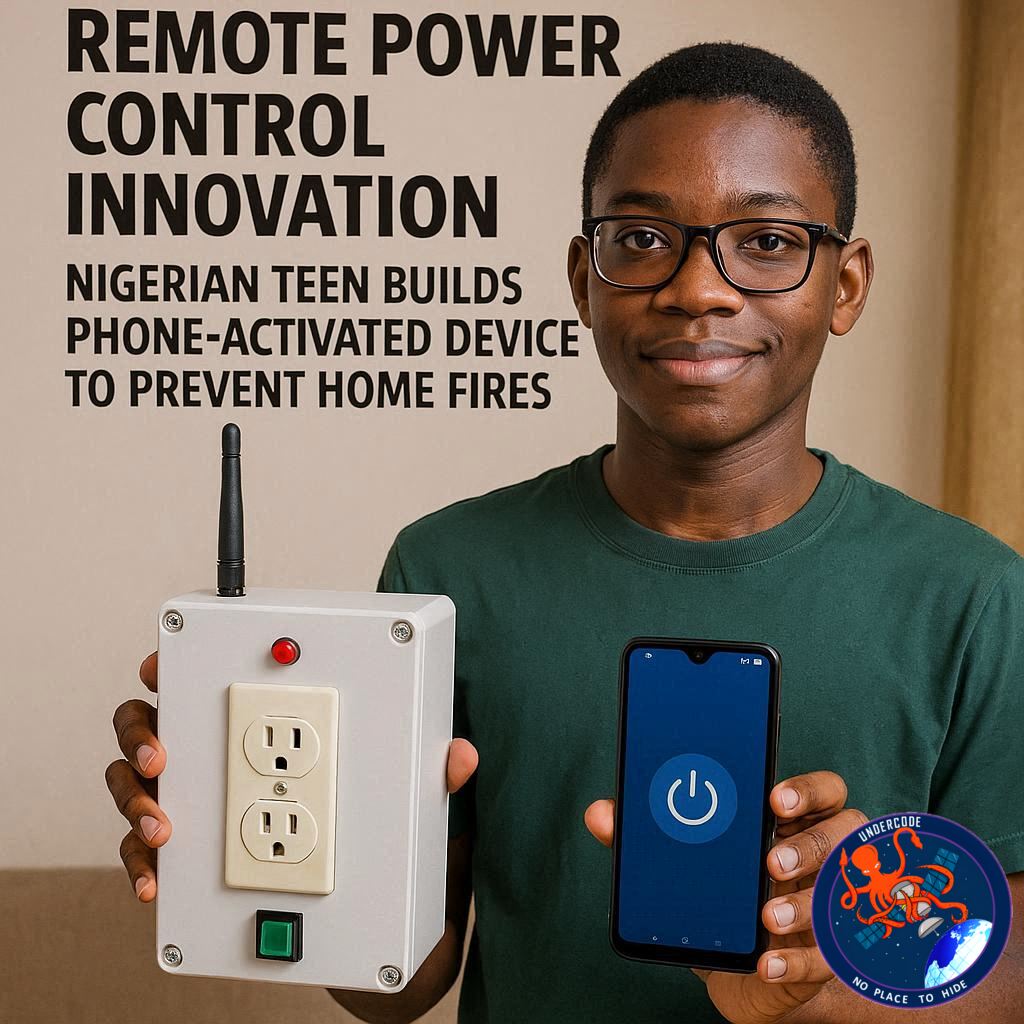
A Smart Solution Born From Everyday Risk
Electrical fires remain one of the most overlooked dangers in homes around the world, often caused by forgotten appliances or unstable power sources. In a time when smart homes are becoming more common, a young Nigerian inventor has taken a practical and creative step toward solving this issue. His innovation is simple in concept but powerful in impact: a device that allows homeowners to control their electricity remotely using a mobile phone. This breakthrough is not just about convenience. It addresses safety, accessibility, and the growing need for affordable smart technology in everyday life.
A Viral Invention That Captured Attention
A young Nigerian innovator, known online as @aerospido.tech, recently gained widespread recognition after sharing a video of his self-built wireless electrical changeover system. The clip quickly gained traction, attracting over 61,000 views on TikTok. The interest was not just about curiosity. Viewers were drawn to the real-world usefulness of the invention, especially in regions where power fluctuations and electrical hazards are common.
A Device Designed to Prevent Fire Hazards
At the heart of the invention is a clear purpose: preventing domestic fire outbreaks. The young creator explained that the system was specifically built to tackle situations where homeowners forget to switch off electrical systems or change power sources before leaving the house. These seemingly small oversights can lead to serious consequences, including electrical fires. His device offers a proactive solution by giving users control even when they are far away.
How the System Works
The wireless electrical changeover system operates through a mobile phone connection. A phone integrated into the circuit acts as the receiver. When the user places a call to the device, it triggers a mechanical switch that controls the electrical flow. This action can turn appliances on or off or switch between power sources instantly. The concept is both simple and effective, leveraging widely available mobile networks instead of requiring complex internet-based systems.
A Live Demonstration That Proved Its Efficiency
In the demonstration video, the inventor showed how the system works in real time. He placed a call to the connected device, and within seconds, the switch flipped, causing a light bulb to illuminate. The seamless response highlighted the reliability of the system. It demonstrated that the device is not just theoretical but fully functional and ready for practical use.
Global Accessibility Through Mobile Networks
One of the most compelling features of the device is its global usability. According to the inventor, the system can be operated from anywhere in the world, as long as there is mobile network coverage. This means a homeowner traveling abroad can still manage their home’s electricity with a simple phone call. The reliance on cellular technology makes it more accessible than many smart home systems that depend on stable internet connections.
A Practical Innovation With Everyday Impact
The invention stands out because it addresses a real problem faced by millions of households. In many regions, inconsistent power supply requires manual switching between sources, which increases the risk of human error. By automating this process remotely, the device reduces stress, enhances safety, and provides peace of mind. It is a reminder that impactful innovation does not always require complex or expensive technology.
Growing Recognition of Nigerian Innovation
This breakthrough is part of a larger trend of emerging technological talent in Nigeria. Young innovators are increasingly developing solutions tailored to local challenges, often with global relevance. Another example mentioned alongside this story is Oluwatobi Oyinlola, who created a prototype of the world’s smallest GPS tracking device and received recognition from national leadership. These stories reflect a growing ecosystem of creativity and problem-solving.
What Undercode Say:
Innovation Rooted in Real Problems
What makes this invention particularly compelling is its grounding in real-world necessity. Unlike many tech products that aim to create new habits, this device improves an existing one. People already use phones daily. Integrating home electricity control into that routine lowers the barrier to adoption and increases its practical value.
Simplicity as a Competitive Advantage
The simplicity of using a phone call instead of an app or internet-based system is a major strength. Many smart home solutions rely heavily on Wi-Fi, apps, and cloud systems. These dependencies can limit usability in areas with unstable internet access. By contrast, this device uses GSM technology, which is often more reliable and widely available.
Safety Meets Accessibility
Fire prevention technology is often expensive or complex, making it inaccessible to many households. This invention challenges that norm. If produced at scale, it could become an affordable safety solution for homes in developing regions. It bridges the gap between high-end smart homes and everyday households.
Potential for Commercial Expansion
The device has clear commercial potential. With further development, it could evolve into a market-ready product with added features such as automated alerts, energy monitoring, or integration with solar power systems. The core concept is strong enough to support multiple iterations and improvements.
Challenges That Could Shape Its Future
Despite its promise, the innovation may face challenges. Durability, safety certifications, and scalability will be critical factors in determining its success. Additionally, competition from established smart home brands could influence how it enters the market. However, its unique approach gives it a niche advantage.
A Glimpse Into the Future of Smart Homes
This invention represents a shift toward more inclusive smart technology. It suggests a future where innovation is not just about luxury but about solving essential problems for a broader audience. The idea that a simple phone call can control home electricity redefines what “smart” really means.
Youth-Driven Technological Progress
The age and initiative of the inventor highlight an important trend: young people are increasingly leading innovation in emerging markets. With access to basic tools and knowledge, they are building solutions that directly impact their communities. This grassroots innovation model is likely to grow in influence.
The Role of Social Media in Innovation Visibility
The viral nature of the video also plays a key role. Platforms like TikTok are becoming launchpads for inventors, allowing them to showcase ideas without traditional barriers. This exposure can attract investors, collaborators, and global recognition, accelerating the journey from prototype to product.
Fact Checker Results
✅ The device operates through a mobile phone call triggering a switch, as demonstrated in the video.
✅ The invention aims to prevent electrical fire hazards by enabling remote control of power systems.
❌ Claims about global operation depend on network reliability and may vary by location.
Prediction
🔮 This type of GSM-based smart control system will gain popularity in regions with limited internet access.
🔮 The inventor may attract partnerships or funding to commercialize and refine the product.
🔮 Future versions could integrate with broader smart home ecosystems, expanding its functionality beyond safety.
🕵️📝Let’s dive deep and fact‑check.
References:
Reported By: www.legit.ng
Extra Source Hub (Possible Sources for article):
https://www.pinterest.com
Wikipedia
OpenAi & Undercode AI
Image Source:
Unsplash
Undercode AI DI v2
Bing
🔐JOIN OUR CYBER WORLD [ CVE News • HackMonitor • UndercodeNews ]
📢 Follow UndercodeNews & Stay Tuned:
𝕏 formerly Twitter 🐦 | @ Threads | 🔗 Linkedin | 🦋BlueSky | 🐘Mastodon


