
Listen to this Post
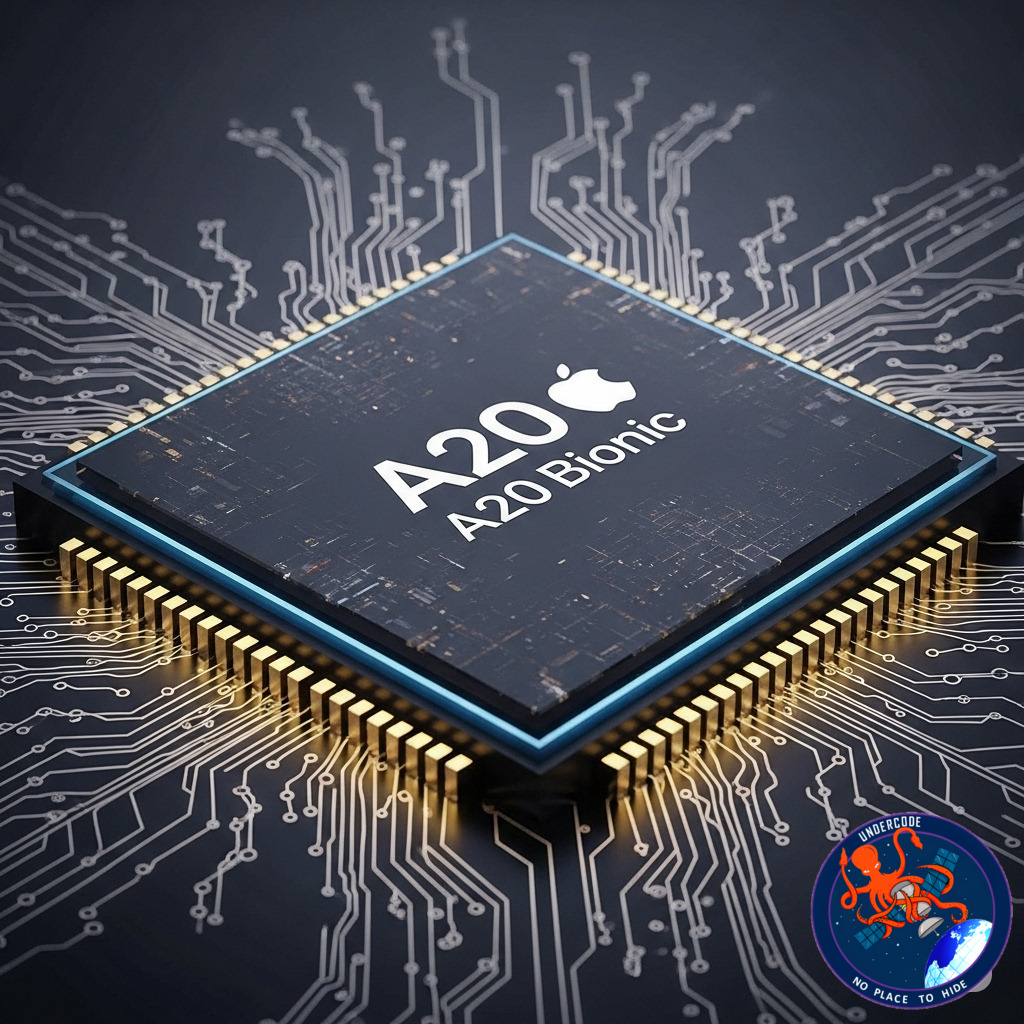
As Apple gears up to unveil the iPhone 17 lineup, tech enthusiasts are already buzzing about the next big breakthrough: the iPhone 18 and its groundbreaking A20 chip. This new generation processor is set to deliver a monumental leap in speed, efficiency, and AI capabilities, thanks to innovative packaging technology and cutting-edge manufacturing processes. Here’s everything you need to know about the A20 chip and why it could redefine the smartphone experience in 2026.
Unveiling the Future: What the A20 Chip Brings to iPhone 18
Apple’s upcoming iPhone 18 models are expected to feature the A20 chip, which promises significant advancements over its predecessors. According to well-respected analyst Ming-Chi Kuo, the A20 processor will not only be built on an ultra-efficient 2nm fabrication process but will also utilize a novel packaging technique called WMCM (Wafer-level Multi-Chip Module). This marks a shift from the current InFO packaging used in previous chips.
The new WMCM method, secured through Eternal Materials’ recent packaging contract with TSMC, integrates the chip’s system-on-chip (SoC) and memory components directly at the wafer level. This eliminates the need for traditional substrates or interposers, reducing material consumption and manufacturing steps while enhancing thermal management and signal integrity. The result? A smaller, faster, and more power-efficient chip physically closer to its onboard memory.
What Does This Mean for Users?
The proximity of the SoC to its memory reduces latency and boosts bandwidth, enabling faster and more efficient processing—especially important for AI tasks and graphically intense applications like gaming. Coupled with the 2nm process, the A20 chip should deliver improved battery life and overall performance, supporting a new wave of AI features including a more powerful Siri, anticipated for release in spring 2026.
The iPhone 18’s enhancements position it perfectly for an AI-driven future where devices need to handle complex computational tasks on the go. This new chip will enable smoother multitasking, quicker app launches, and advanced machine learning capabilities, far surpassing what today’s devices can offer.
What Undercode Say: The Impact and Potential of the A20 Chip
Apple’s decision to adopt the WMCM packaging for the A20 chip represents a significant technological milestone. This shift indicates Apple’s ongoing commitment to pushing the boundaries of chip performance and energy efficiency. By integrating multiple dies at the wafer level, Apple can reduce manufacturing complexity and costs, potentially leading to faster production cycles and more reliable chips.
From an industry perspective, this move could spark a broader adoption of WMCM technology across other semiconductor manufacturers, especially as the demand for powerful yet energy-efficient processors grows. The thermal advantages alone are critical for mobile devices, which struggle to dissipate heat during prolonged heavy usage.
The focus on AI optimization is particularly telling. With AI integration becoming a standard expectation, Apple’s hardware improvements will empower developers to create richer applications that leverage on-device AI processing. This can transform user experiences, from smarter voice assistants to enhanced augmented reality features and beyond.
Moreover, the A20
Apple’s close collaboration with TSMC and Eternal Materials also highlights the strategic importance of supply chain innovation. Securing early access to advanced packaging technologies ensures Apple stays ahead in the competitive smartphone market, while also stabilizing supply in an industry prone to bottlenecks.
In summary, the A20 chip is not just an incremental upgrade; it’s a transformational innovation designed to prepare Apple’s flagship devices for a future dominated by AI and demanding mobile computing tasks. For consumers, this means longer-lasting, faster, and smarter iPhones with capabilities that will outpace current expectations.
Fact Checker Results ✅❌
The reported shift to WMCM packaging and the 2nm fabrication process for the A20 chip aligns with industry trends and credible analyst reports, making these claims highly reliable. The expected performance and efficiency gains are consistent with known benefits of WMCM technology and smaller node sizes. However, exact real-world improvements will only be confirmed once Apple officially releases the iPhone 18 and benchmarks are available.
Prediction 🔮
The iPhone 18’s A20 chip will likely set a new standard for mobile processor performance in 2026, making AI-powered features mainstream in everyday smartphone use. We predict Apple will leverage this chip to enhance Siri’s capabilities dramatically, introduce new AR experiences, and possibly extend battery life significantly, pushing competitors to accelerate their own chip innovations. Early adopters can expect a device that is not just faster but fundamentally smarter and more efficient.
🕵️📝✔️Let’s dive deep and fact‑check.
References:
Reported By: 9to5mac.com
Extra Source Hub:
https://www.quora.com
Wikipedia
OpenAi & Undercode AI
Image Source:
Unsplash
Undercode AI DI v2
🔐JOIN OUR CYBER WORLD [ CVE News • HackMonitor • UndercodeNews ]
📢 Follow UndercodeNews & Stay Tuned:
𝕏 formerly Twitter 🐦 | @ Threads | 🔗 Linkedin | 🦋BlueSky | 🐘Mastodon


