
Listen to this Post
Introduction:
Cybersecurity threats continue to escalate globally, but recent developments have shown a particularly alarming surge in attacks targeting Android users, Chrome browsers, and diplomatic networks in South Asia. This week, cybersecurity researchers uncovered new malware strains and sophisticated spyware campaigns that are reshaping the threat landscape. From mobile devices to critical diplomatic communications, attackers are using increasingly complex methods to infiltrate networks, raising urgent concerns for both private and government cybersecurity defenses.
Recent Cybersecurity Updates:
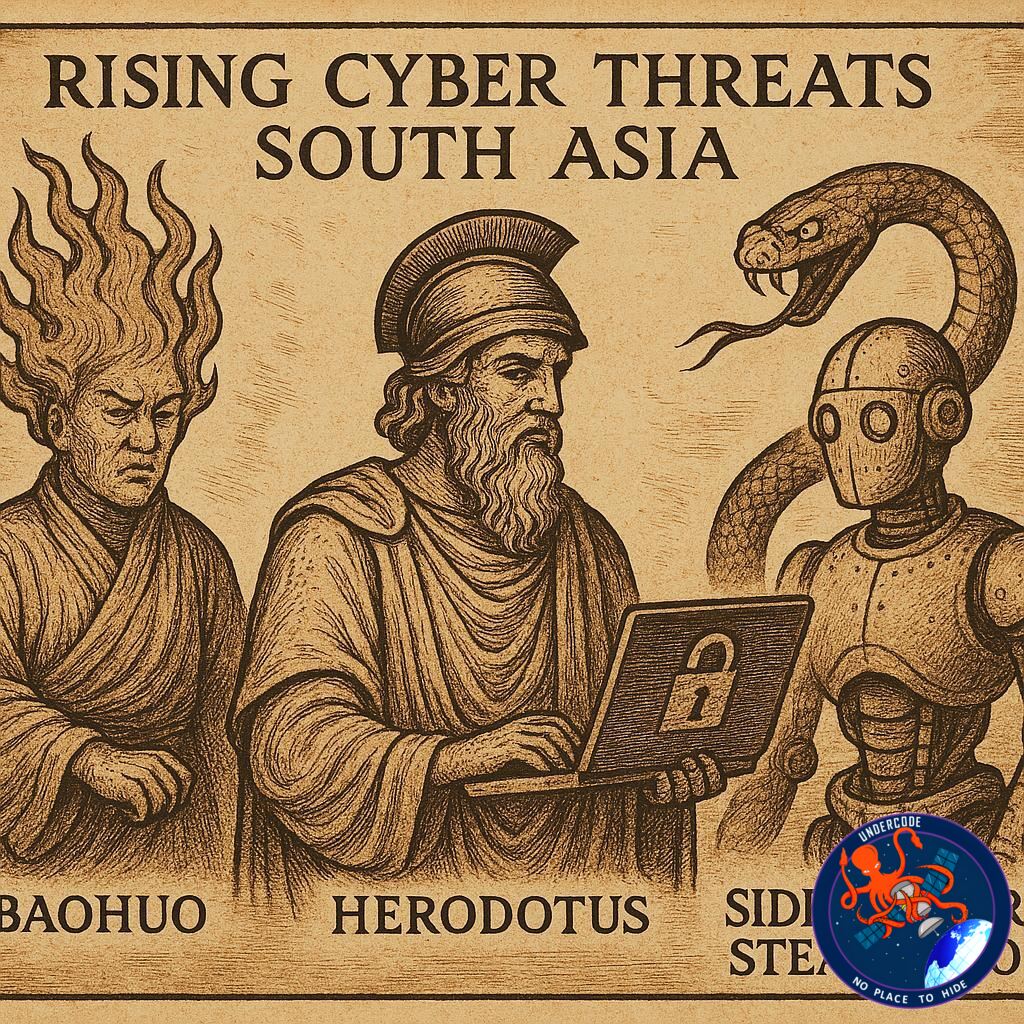
In the latest threat report, security experts identified two newly emerging Android malware families: Herodotus and Baohuo. These malicious applications exploit vulnerabilities in mobile devices to exfiltrate sensitive user data, often bypassing traditional security measures. In parallel, a zero-day vulnerability in the Chrome browser has been actively exploited to spread spyware developed by Memento Labs/LeetAgent, signaling a rapid and stealthy attack vector targeting internet users worldwide.
Further analysis revealed SideWinder’s ongoing campaign, leveraging a complex PDF/ClickOnce chain to compromise diplomatic networks across South Asia. This attack is particularly insidious as it combines social engineering with multi-stage malware deployment, ultimately delivering StealerBot, a data-stealing malware capable of extracting highly sensitive diplomatic communications. These attacks indicate a growing trend in region-specific cyber espionage, where attackers focus on high-value targets with geopolitical significance.
What makes these developments particularly concerning is the sophistication and coordination behind these campaigns. The combination of zero-day exploits, advanced spyware, and targeted social engineering demonstrates a significant increase in both technical skill and strategic intent among threat actors. Organizations and governments in South Asia are now facing a dual challenge: protecting individual user devices and safeguarding critical national communications infrastructure.
What Undercode Say:
The emergence of Herodotus and Baohuo malware marks a concerning evolution in mobile cybersecurity threats. Both families appear to be designed not only for financial gain but for long-term data harvesting, suggesting potential state or corporate espionage involvement. Their ability to bypass conventional detection tools underscores the need for more proactive mobile security frameworks.
The Chrome zero-day exploited by Memento Labs/LeetAgent also highlights a broader issue: mainstream software platforms remain prime targets for attackers. Zero-day vulnerabilities are particularly dangerous because they allow malware to operate undetected until a patch is released. This means users are often defenseless against the first wave of attacks, emphasizing the importance of rapid threat intelligence and automated patch deployment systems.
SideWinder’s campaign is perhaps the most alarming from a geopolitical perspective. By targeting diplomatic communications through sophisticated PDF and ClickOnce delivery chains, attackers are gaining access to information that could influence national security decisions. This multi-stage attack method also illustrates a shift from mass malware campaigns to highly targeted espionage operations, which require advanced persistence techniques and operational patience.
Organizations and governments need to adopt a layered cybersecurity approach. This includes continuous monitoring for unusual activity, aggressive patch management, and advanced threat intelligence sharing. Furthermore, educating personnel about social engineering tactics can drastically reduce the success rate of these sophisticated attacks.
The regional focus on South Asia is significant. Historically, many cybersecurity threats have been generalized or global in scope, but the tailored nature of these attacks indicates strategic intent, possibly linked to ongoing geopolitical tensions. This trend suggests that high-value regions and sectors, such as diplomacy and critical infrastructure, will face increasing cyber pressure in the coming years.
Proactive countermeasures must involve cross-sector collaboration. Sharing intelligence among governments, private enterprises, and cybersecurity research groups can help detect early indicators of compromise. Additionally, implementing AI-driven anomaly detection systems could provide faster identification of malware behavior before it escalates into a full-scale breach.
While technical defenses are essential, policy-level strategies are equally critical. Governments should update cybersecurity regulations to mandate minimum security standards for both public and private organizations. International collaboration is also key, as cyber threats often cross borders, making unilateral defense strategies insufficient.
Finally, this wave of attacks reinforces the need for organizations to conduct regular penetration testing and risk assessments. Only by understanding their own vulnerabilities can institutions hope to prevent attackers from exploiting them. The combination of strategic foresight, technical sophistication, and rapid response will define the next phase of effective cybersecurity.
Fact Checker Results:
✅ Herodotus and Baohuo are confirmed as emerging Android malware.
✅ Chrome zero-day exploited by Memento Labs/LeetAgent is actively spreading spyware.
❌ No evidence suggests widespread public impact outside targeted South Asian networks yet.
Prediction:
📈 Given current trends, South Asian diplomatic and government networks will face increasing cyber espionage pressure in the next 12 months. Enhanced malware targeting mobile devices and mainstream browsers will likely expand globally, necessitating stronger cross-border cybersecurity cooperation. Early adoption of AI-based threat detection could mitigate initial damage from these sophisticated campaigns.
If you want, I can also create a visually structured version of this article for blogs with bolded malware names, bullet points for threats, and clear section separation to make it more engaging for readers. Do you want me to do that?
🕵️📝✔️Let’s dive deep and fact‑check.
References:
Reported By: x.com
Extra Source Hub (Possible Sources for article):
https://www.medium.com
Wikipedia
OpenAi & Undercode AI
Image Source:
Unsplash
Undercode AI DI v2
Bing
🔐JOIN OUR CYBER WORLD [ CVE News • HackMonitor • UndercodeNews ]
📢 Follow UndercodeNews & Stay Tuned:
𝕏 formerly Twitter 🐦 | @ Threads | 🔗 Linkedin | 🦋BlueSky | 🐘Mastodon


