
Listen to this Post
Introduction: The New Wave of Cybercrime
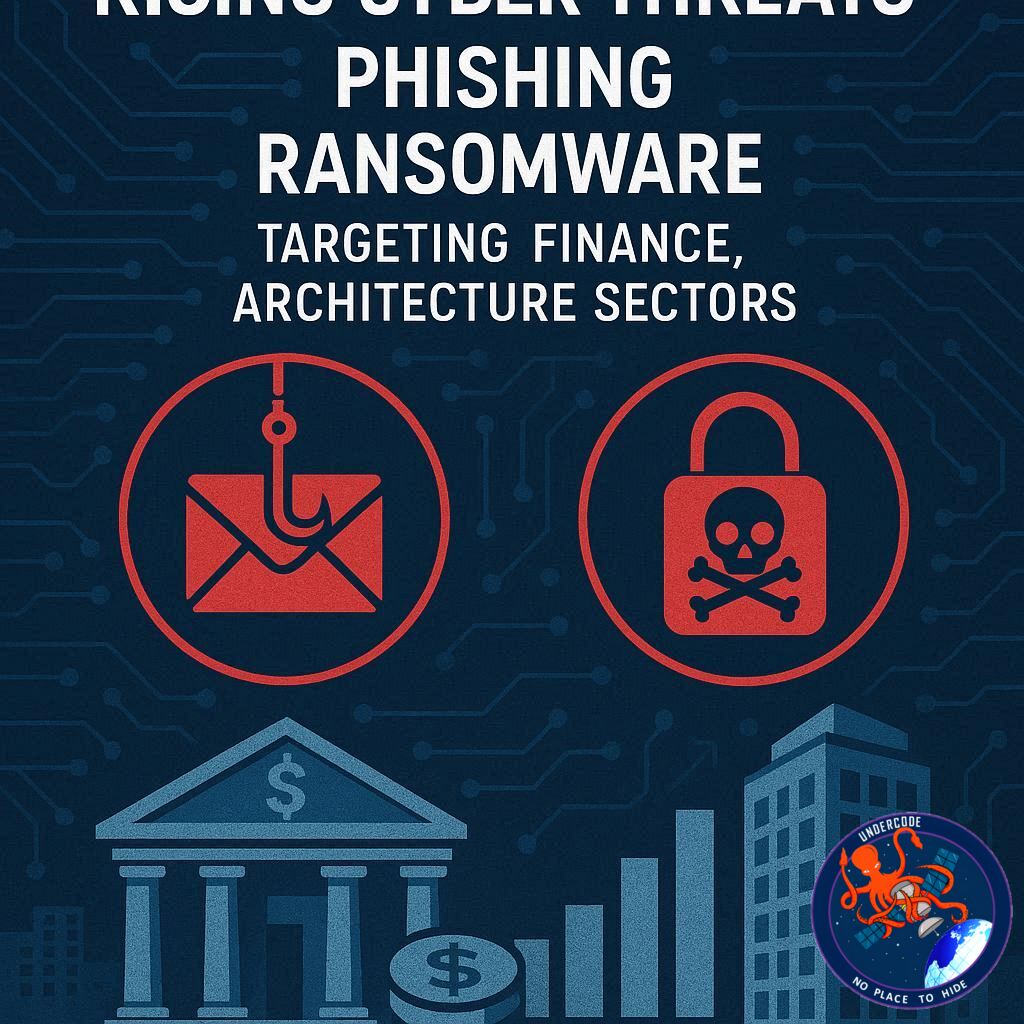
In today’s hyperconnected world, cybercriminals are evolving faster than ever, targeting critical sectors with increasingly sophisticated attacks. Recent reports reveal a surge in phishing campaigns aimed at finance and procurement teams, alongside high-profile ransomware threats affecting architecture firms in the United States. These attacks are not only financially disruptive but also pose serious risks to sensitive data and ongoing projects.
Phishing Campaigns Exploit Invoice Emails
Cybersecurity monitors have uncovered a phishing campaign specifically targeting finance and procurement departments. Attackers are sending invoice-themed emails that contain malicious PDFs and embedded QR codes. Once opened, these files redirect victims to credential-harvesting sites designed to steal sensitive login information. What makes this campaign particularly dangerous is its multi-stage approach, including rotating infrastructure that allows attackers to evade traditional security detection systems.
DragonForce Ransomware Hits Architecture Firm
In a separate but equally alarming incident, the hacker group DragonForce has claimed responsibility for breaching Edifice Design + Architecture, a U.S.-based firm. The attackers threaten to encrypt critical data and leak sensitive architectural plans unless a ransom is paid. This attack directly disrupts ongoing construction projects, highlighting how ransomware now extends beyond traditional tech targets to critical industries like architecture and engineering.
Escalating Risks for Businesses
Both the phishing and ransomware incidents underscore a broader trend: cybercriminals are increasingly targeting business operations that rely on sensitive, high-value information. Finance and procurement departments are prime targets for credential theft, while companies holding proprietary designs and plans are vulnerable to extortion. The combination of social engineering and advanced malware tactics makes these threats particularly insidious.
Multi-Layered Tactics Evade Detection
The phishing attacks employ multiple layers to avoid detection. By using dynamic links, rotating servers, and sophisticated email spoofing, attackers minimize the likelihood that their campaigns will be flagged by standard security software. Meanwhile, ransomware groups like DragonForce exploit weak points in enterprise security, including inadequate backup protocols and outdated software, to maximize their leverage.
What Undercode Says:
Financial Departments Under Siege
The targeting of finance and procurement teams highlights a strategic shift in cybercrime: criminals are now exploiting the departments that control money flow and sensitive contract data. Organizations must implement multi-factor authentication and rigorous employee training to prevent credential theft.
High-Stakes Ransomware Threats
DragonForce’s attack on Edifice Design + Architecture signals that ransomware is no longer just a data nuisance—it’s a critical operational threat. Firms managing high-value intellectual property should consider air-gapped backups and enhanced network segmentation to mitigate risk.
Sophistication of Phishing Methods
The use of QR codes and malicious PDFs demonstrates a level of sophistication that goes beyond generic phishing. Security teams need to anticipate multi-stage attacks and employ advanced detection tools capable of analyzing embedded files and links in real time.
Legal and Regulatory Implications
Companies experiencing such breaches may face regulatory scrutiny, especially if sensitive client or financial data is compromised. Proactive compliance audits and cybersecurity reporting protocols are essential to minimize liability.
Broader Industry Impact
The construction and architecture sectors are particularly vulnerable because delays in projects caused by ransomware attacks have cascading effects, from financial losses to contractual disputes. Firms must integrate cybersecurity into project management to avoid operational bottlenecks.
Evolving Threat Landscape
These attacks reflect a broader trend where cybercrime is becoming highly professionalized. Groups like DragonForce operate with a business-like model, often choosing targets with maximum payoff potential, and constantly adjusting tactics to bypass defenses.
Employee Awareness and Training
A key takeaway is that employee awareness remains the first line of defense. Training programs that simulate phishing attacks and educate staff about emerging threats can significantly reduce risk exposure.
Investment in Cyber Defense
Businesses must invest in proactive monitoring, threat intelligence, and rapid incident response capabilities. Waiting until after a breach occurs often results in higher financial and reputational costs.
International Considerations
With attacks originating globally, cross-border collaboration and intelligence sharing among organizations are vital. Cybersecurity is no longer a local issue—it requires international coordination.
Strategic Cybersecurity Planning
Ultimately, firms need a layered cybersecurity strategy encompassing technology, policies, training, and continuous risk assessment. Only by approaching defense comprehensively can businesses stay ahead of sophisticated threat actors.
🔍 Fact Checker Results
✅ Phishing campaigns targeting finance teams via malicious PDFs and QR codes are verified.
✅ DragonForce’s claim of hacking Edifice Design + Architecture is confirmed.
❌ There is no public evidence yet of actual data encryption or leaks beyond their threat.
📊 Prediction
Given the current trajectory, phishing attacks on finance and procurement teams are likely to increase, leveraging more interactive elements like QR codes and AI-generated emails. Ransomware groups will continue targeting specialized industries with high-value intellectual property. Organizations that fail to implement multi-layered security and employee awareness programs will face significant operational and financial risk, making preemptive cybersecurity investment not just prudent but essential.
🕵️📝✔️Let’s dive deep and fact‑check.
References:
Reported By: x.com
Extra Source Hub (Possible Sources for article):
https://www.digitaltrends.com
Wikipedia
OpenAi & Undercode AI
Image Source:
Unsplash
Undercode AI DI v2
Bing
🔐JOIN OUR CYBER WORLD [ CVE News • HackMonitor • UndercodeNews ]
📢 Follow UndercodeNews & Stay Tuned:
𝕏 formerly Twitter 🐦 | @ Threads | 🔗 Linkedin | 🦋BlueSky | 🐘Mastodon


