
Listen to this Post
Introduction
2025 did not become a defining year because of flashy tech launches or impressive marketing metrics. Instead, it stood out for something far more human and urgent: real conversations with children about cybersecurity. Across Romania, from busy classrooms in Bucharest to small rural schools in the northeast, honest discussions revealed how deeply digital life has woven itself into childhood. What these students shared was eye-opening, unsettling, and sometimes unexpectedly hopeful. Their stories offer a rare, unfiltered look into how the next generation experiences the internet — both its promises and its hidden threats.
the Original
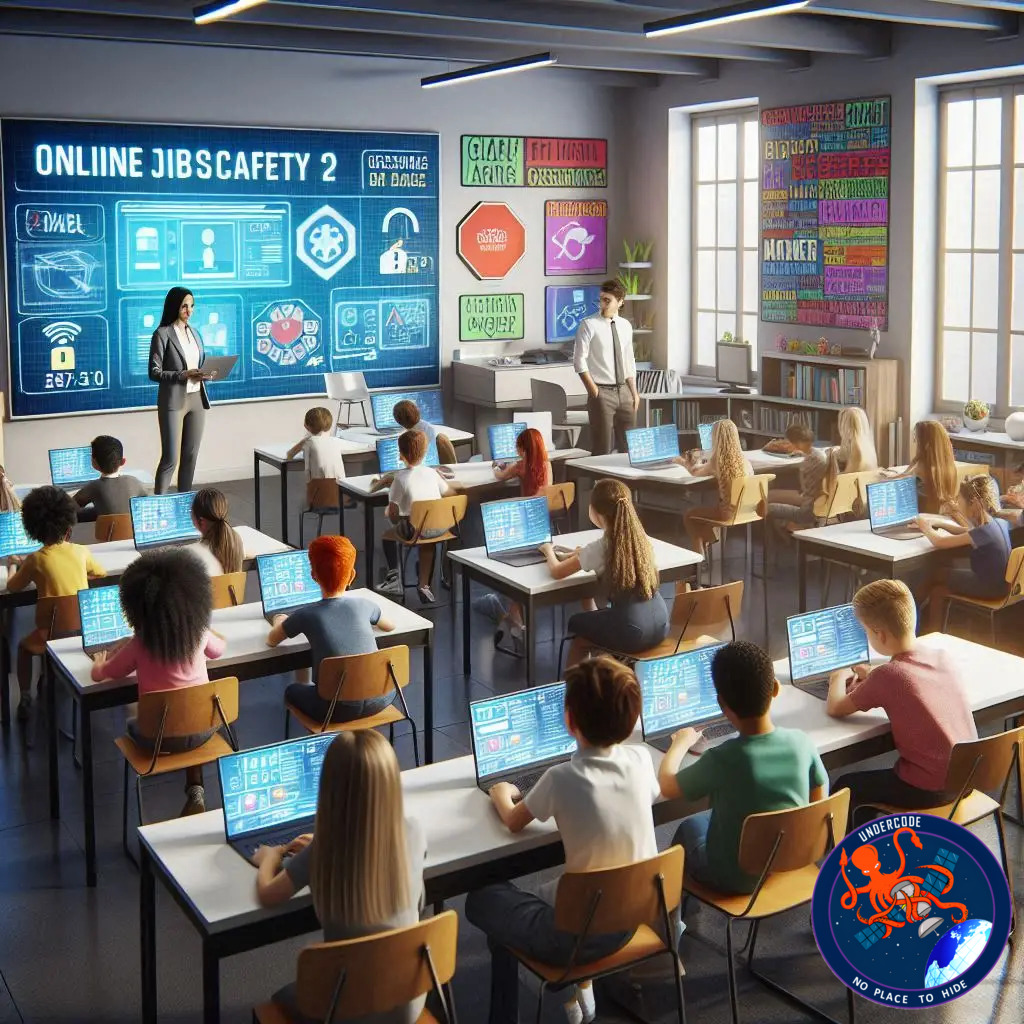
Throughout the year, the author engaged with students ranging from first graders to high school seniors, discussing online safety in an open, non-judgmental way. Almost every child owned a smartphone, actively used social media, and played online games — with Roblox frequently mentioned. Children were surprisingly aware of major controversies, including lawsuits surrounding gaming platforms, even attempting to quiz adults about them.
One alarming story came from a third-grade boy who had been contacted by an adult man on Facebook. The man offered compliments and even suggested a holiday together. What shocked the author most was not the message itself, but that the child found nothing strange about it. Because the boy used social media to promote his music, attention felt normal — even from strangers.
Another disturbing incident involved a fifth-grade girl being photographed by an older man outside a supermarket. While not technically a cybersecurity issue, it highlighted how constant online attention can blur a child’s ability to recognize danger in the real world.
High school students expressed strong confidence in their online skills. They believed they could easily spot scams and avoid threats. However, when deeper topics like account takeovers and social engineering were discussed, their confidence quickly weakened. Their self-assurance was based on familiarity, not real knowledge.
Younger kids openly discussed online bullying, exclusion in WhatsApp groups, and harassment in games. Many viewed this behavior as normal. Tween girls were highly active on platforms like Instagram and Snapchat, increasing their exposure to social pressures.
Another concerning pattern emerged: many younger children believed that if someone claimed to be their age online, it must be true. This false sense of control creates serious risk.
On the positive side, students demonstrated strong awareness of digital footprints. They clearly understood what personal information includes — names, photos, addresses, schools, even voice and video. Together, they created a classroom pact never to share sensitive data online.
Many children showed impressive tech awareness, sometimes more than their parents. They avoided unknown calls, recognized suspicious messages, and understood that “free” online offers often hide traps.
Perhaps the most surprising revelation was how many scams their parents had fallen for. Kids described fake Sephora giveaways and “vote for my child” frauds in detail. They remembered the emotional impact and proudly shared these stories.
When AI and deepfakes were introduced, many students could detect fake images and videos. Not all the time — but often enough to challenge the idea that kids are easily fooled by AI.
The article ends with a clear message to parents: talk to your children about online life. Know what platforms they use, who they talk to, and what games they play. Not through interrogation — but conversation. Tools like Bitdefender’s parental controls can help, but trust and communication remain the foundation of online safety.
What Undercode Say:
The stories from Romanian classrooms reflect a global crisis quietly unfolding: children are growing up inside digital ecosystems built for adults. Platforms were never designed with young minds in mind, yet they have become playgrounds, classrooms, and social hubs for millions of kids.
What stands out most is not ignorance — but misplaced confidence. Teens believe familiarity equals safety. Younger kids trust avatars and usernames as if they were schoolmates. This false sense of security is perhaps the most dangerous trend of all.
The Facebook incident reveals a brutal truth: predators do not look scary. They look friendly. They offer compliments. They blend in. Children trained to seek validation online are naturally vulnerable to this manipulation. This is not a failure of intelligence — it is a failure of digital education.
The supermarket photography case shows how online culture spills into physical life. When attention becomes normalized, warning bells stop ringing. This is where digital habits become real-world risks.
What’s equally striking is how kids observe adult behavior. Parents falling for scams is not just embarrassing — it’s instructional. Children are learning what not to do by watching family members click suspicious links and share personal information.
This flips the narrative. We assume kids are the reckless ones, but adults are often the weakest link. Digital literacy cannot be one-directional. Families must learn together.
The AI section is particularly encouraging. Children are not blindly fooled by deepfakes. Their skepticism shows that critical thinking can be taught early. With the right guidance, they could become the most media-literate generation in history.
However, platforms like Roblox, Snapchat, and Instagram still lack sufficient child-first safety mechanisms. Corporate responsibility must increase. Profit cannot come before protection.
Parental control tools are useful — but dangerous if misused. Surveillance destroys trust. Guidance builds it. Technology should open conversations, not replace them.
The most powerful solution remains simple: talk. Not once. Constantly. About games, friends, messages, and fears. Create a safe space before strangers do.
Cybersecurity education should be mandatory in schools. Not optional workshops — real curriculum. Because online threats are no longer technical problems. They are social, emotional, and psychological dangers.
The children in these classrooms are not lost. They are curious. They are observant. They are ready to learn. Adults just need to catch up.
Fact Checker Results
The described scam patterns align with real-world digital fraud trends.
Social media grooming tactics match documented cybersecurity cases.
Children’s exposure to deepfake content reflects current AI usage growth.
Prediction
By 2027, digital safety education will become a mandatory school subject across Europe.
AI-generated scams will increase, forcing platforms to adopt stricter age verification.
Children will become the leading educators in household cybersecurity awareness.
🕵️📝✔️Let’s dive deep and fact‑check.
References:
Reported By: www.bitdefender.com
Extra Source Hub (Possible Sources for article):
https://stackoverflow.com
Wikipedia
OpenAi & Undercode AI
Image Source:
Unsplash
Undercode AI DI v2
Bing
🔐JOIN OUR CYBER WORLD [ CVE News • HackMonitor • UndercodeNews ]
📢 Follow UndercodeNews & Stay Tuned:
𝕏 formerly Twitter 🐦 | @ Threads | 🔗 Linkedin | 🦋BlueSky | 🐘Mastodon


