
Listen to this Post
Introduction: A Defining Moment for Cybersecurity’s Future
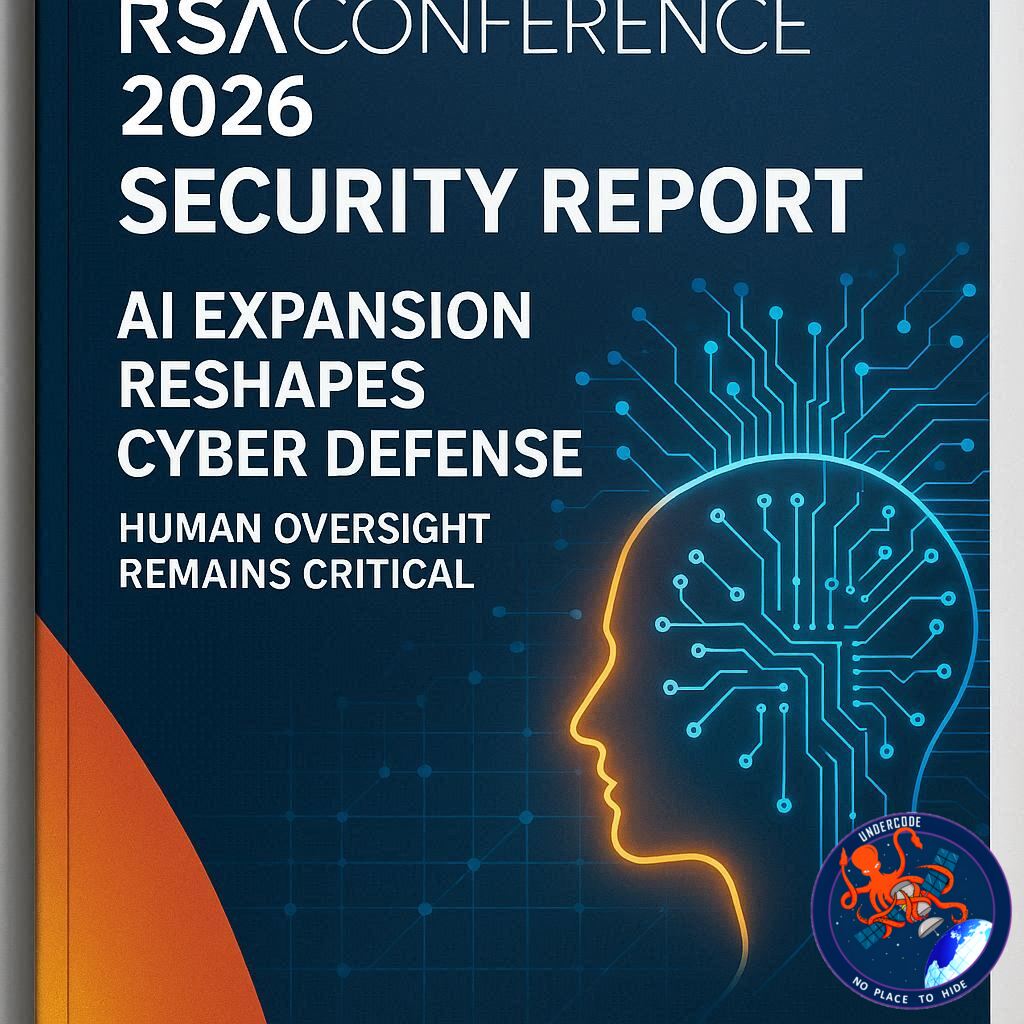
The RSAC 2026 Conference unfolded at a pivotal time when artificial intelligence is no longer an emerging tool but a dominant force actively reshaping cybersecurity. While the official theme, “The Power of Community,” emphasized human collaboration, the reality on the ground told a more complex story. AI was everywhere, embedded in conversations, strategies, and demonstrations. Yet beneath the excitement, a deeper tension emerged: the industry is accelerating toward automation faster than it can fully understand or control it. This contrast between technological ambition and human responsibility defined the tone of the entire event.
Comprehensive Summary: AI Takes Center Stage Amid Strategic Gaps
The RSAC 2026 Conference gathered cybersecurity professionals from across the globe, offering a deep look into the evolving security landscape. Artificial intelligence dominated discussions, appearing in the majority of sessions either as a core focus or a supporting element. From security operations centers to vulnerability management, AI is rapidly becoming integral to how organizations defend against threats.
Despite this technological focus, the conference theme highlighted the importance of human collaboration. Experts repeatedly stressed that AI cannot function effectively without human oversight. Concerns about job displacement and overreliance on automation surfaced frequently, reinforcing the idea that human intelligence remains essential in cybersecurity processes.
One of the most notable developments was the absence of the US federal government. Traditionally a key participant in RSAC discussions, its absence raised concerns about weakening public-private partnerships and a lack of clarity in national cybersecurity strategy. Attendees questioned whether this signals a broader shift in government engagement, especially at a time when coordinated efforts are crucial. Meanwhile, other regions, particularly Europe, stepped forward to share insights, further highlighting the gap left behind.
AI adoption pressure emerged as another dominant theme. Organizations are increasingly rushing to implement AI solutions, often without sufficient safeguards. This “move fast” mentality introduces significant risks, particularly with AI coding assistants that can unintentionally expose sensitive systems. Experts warned that such tools may bypass years of established security protections, effectively reopening vulnerabilities that had been previously mitigated.
At the same time, there were clear examples of AI’s potential. In one case, an AI system deployed in a security operations center autonomously identified a malicious insider within hours of their first login. This demonstrated how AI can significantly reduce the workload on analysts and improve response times.
However, the divide between technical experts and business leaders became increasingly apparent. Researchers emphasized caution, advocating for strict oversight and governance frameworks. In contrast, some executives argued that human involvement slows progress and undermines the efficiency gains AI promises. This tension reflects a broader industry conflict between speed and safety.
Another critical issue discussed was the strain on vulnerability management systems. Programs responsible for cataloging security flaws are now overwhelmed by a surge in AI-generated reports. Many of these submissions are low quality or entirely inaccurate, creating a flood of noise that experts must sift through. This challenge underscores how AI, while helpful, can also amplify existing problems at scale.
Ultimately, RSAC 2026 painted a picture of an industry at a crossroads. AI is undeniably powerful, but its rapid adoption introduces new risks that cannot be ignored. The conference reinforced the need for balance, innovation must be paired with caution, and automation must be guided by human judgment.
What Undercode Say: The Illusion of Control in an AI-Driven Security Era
The cybersecurity industry is entering a phase where speed is being mistaken for progress. RSAC 2026 exposed a critical flaw in current thinking: organizations believe adopting AI automatically strengthens their defenses, when in reality it often expands their attack surface.
The rush toward AI is not purely about security. It is deeply tied to economics. Automation reduces labor costs, improves margins, and satisfies investor expectations. This creates a dangerous incentive structure where companies prioritize deployment over diligence. Security, ironically, becomes secondary in a field built to protect.
The absence of the US government is not just a logistical gap, it signals a deeper strategic uncertainty. Cybersecurity has always relied on collaboration between public and private sectors. Without clear leadership or participation from major governments, the ecosystem becomes fragmented. This fragmentation is particularly dangerous in an AI-driven landscape where threats evolve faster than policies.
Another overlooked issue is the degradation of data quality. AI systems are now generating vast amounts of security data, but much of it lacks accuracy. When AI begins to feed on its own outputs, the risk of “model collapse” becomes real. This is not theoretical, it is already happening in vulnerability reporting systems overwhelmed by low-value submissions. Over time, this could erode trust in the very tools designed to protect infrastructure.
There is also a fundamental misunderstanding of what AI should do in cybersecurity. AI excels at handling repetitive tasks, identifying patterns, and processing large datasets. It is not designed to replace human judgment, especially in high-stakes environments where context and intuition matter. Yet many organizations are pushing toward full automation, ignoring the necessity of human oversight.
The most dangerous trend is the normalization of risk. When companies knowingly deploy insecure AI tools because “everyone else is doing it,” the industry shifts its baseline. What was once considered unacceptable becomes standard practice. This gradual erosion of standards can lead to systemic vulnerabilities across entire sectors.
However, there is still a path forward. The most effective model is not human versus AI, but human plus AI. Security operations should evolve into hybrid systems where AI handles scale and humans provide context. Governance frameworks must be strengthened, not relaxed, to ensure accountability.
RSAC 2026 did not just showcase innovation, it revealed the industry’s growing pains. The challenge now is whether cybersecurity leaders will acknowledge these risks or continue accelerating toward a future they do not fully control.
🔍 Fact Checker Results
✅ AI was the dominant theme across most RSAC 2026 sessions
❌ AI systems are not capable of operating securely without human oversight
✅ The absence of US government participation created noticeable concern among attendees
📊 Prediction
🔮 AI adoption in cybersecurity will continue accelerating, but major security failures will force stricter regulations
⚠️ Organizations that prioritize speed over governance will face increased breach incidents
📉 Over time, hybrid human-AI security models will become the industry standard as full automation proves unreliable
▶️ Related Video (80% Match):
🕵️📝✔️Let’s dive deep and fact‑check.
References:
Reported By: www.darkreading.com
Extra Source Hub (Possible Sources for article):
https://www.quora.com
Wikipedia
OpenAi & Undercode AI
Image Source:
Unsplash
Undercode AI DI v2
Bing
🔐JOIN OUR CYBER WORLD [ CVE News • HackMonitor • UndercodeNews ]
📢 Follow UndercodeNews & Stay Tuned:
𝕏 formerly Twitter 🐦 | @ Threads | 🔗 Linkedin | 🦋BlueSky | 🐘Mastodon


