
Listen to this Post
Introduction: A Modern Tech Nightmare
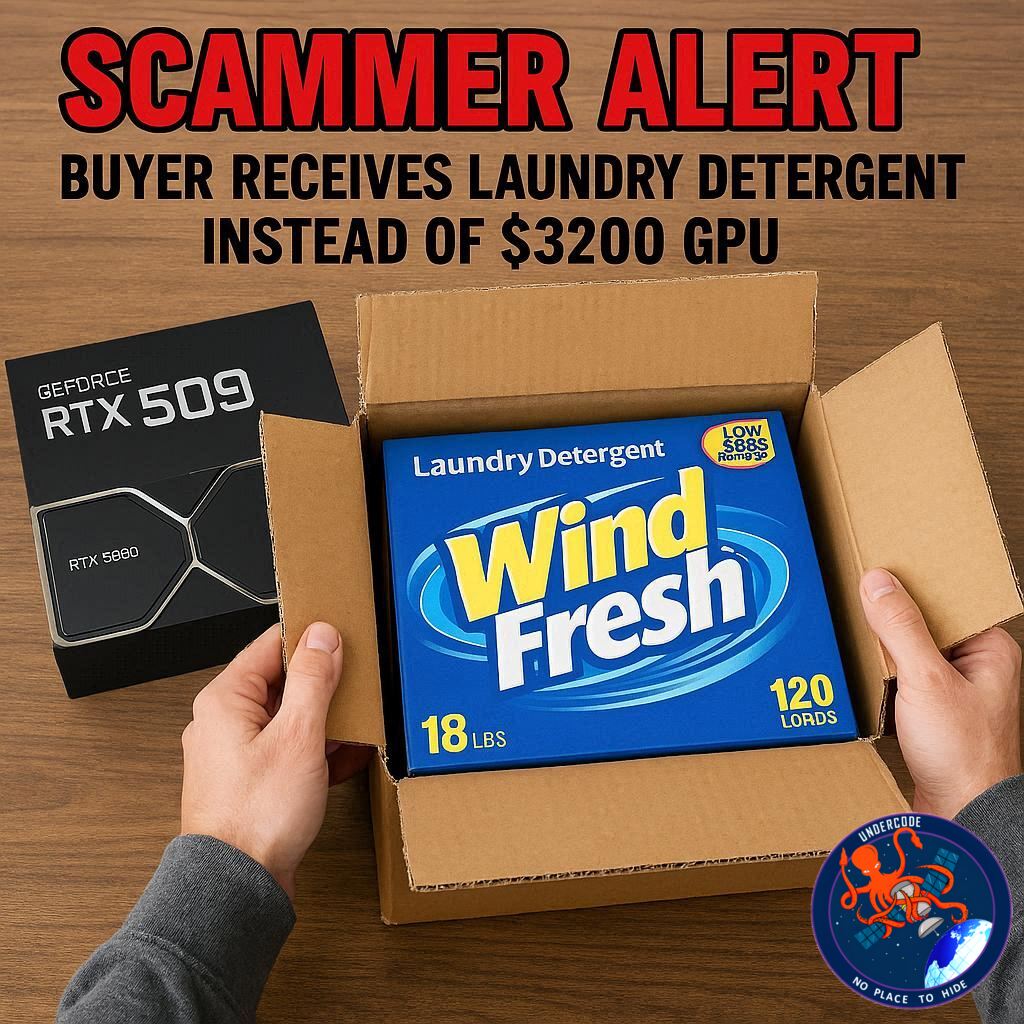
In the age of skyrocketing graphics card prices and limited availability, the excitement of snagging a high-end GPU can quickly turn into a nightmare. A shocking incident in India has highlighted just how risky online purchases from third-party sellers can be. A customer who ordered a Gigabyte RTX 5090 from Amazon ended up with a box filled not with the much-coveted GPU, but with a 1kg packet of laundry detergent. This incident is a stark reminder that even platforms with strong reputations are not immune to scams.
The Incident: From Gigabyte RTX 5090 to Ghadi Detergent
The buyer reportedly paid over $3,200 for an RTX 5090 from a third-party seller on Amazon, with the order marked as “fulfilled by Amazon.” Expecting a powerful GPU capable of handling the latest games and AI workloads, the customer instead found a box containing Ghadi laundry detergent. The shipping label listed the package weight at 1.56kg, far too light for an RTX 5090, raising immediate red flags.
The unboxing, partially recorded and shared on Reddit, sparked skepticism, but the unusual weight and previous complaints about the same seller lend credibility to the claim. Attempts to secure a refund were reportedly rejected by Amazon, highlighting the difficulties of recovering funds from third-party marketplace transactions. This case is not isolated; others have experienced similar scams, emphasizing a growing issue in high-demand tech markets.
Analysis: Scammers Exploit High-Value GPU Market
Scammers have increasingly targeted pricey GPUs as demand surges. From fake boxes containing rocks or metal blocks to now detergent packets, the creativity of fraudsters is evolving alongside tech trends. Consumers are often lured by the promise of deals that seem too good to pass up, ignoring the warning signs of third-party sellers with limited reputations.
Purchasing expensive hardware from unfamiliar sources carries a significant risk. Even when platforms like Amazon offer buyer protection, the process of proving a scam and reclaiming funds can be cumbersome and stressful. Recording full unboxing videos, checking shipment weights, and buying only from verified sellers are now essential practices for tech buyers.
Additionally, this incident underscores the importance of consumer vigilance in emerging markets where enforcement and oversight may lag behind global standards. The RTX 5090 detergent scam illustrates that no product, no matter how high-end or anticipated, is immune to fraudulent schemes in today’s marketplace.
What Undercode Say: Consumer Vigilance in the Age of Premium Tech
This RTX 5090 scam is symptomatic of a larger trend: the monetization of hype and scarcity. GPUs are no longer just hardware; they are high-value commodities susceptible to exploitation. The incident demonstrates how sophisticated fraud can prey on trust, excitement, and the desire for cutting-edge technology.
High-value purchases online should always be approached with scrutiny. A credible seller’s reputation, verified reviews, and consistent delivery history are crucial metrics. Even platforms with buyer protections, like Amazon, are not failproof. Consumers must recognize that their diligence—tracking weights, requesting real-time photos, or recording full unboxings—can be the difference between a successful transaction and financial loss.
The detergent swap highlights an evolving scam strategy: using everyday items to mimic the expected packaging and weight, creating an illusion of authenticity. This tactic is particularly effective in tech, where buyers are eager to skip waiting lists and accept the first “available” offer.
In parallel, marketplaces themselves need to tighten oversight. Third-party vetting, real-time shipment verification, and fraud detection can mitigate these risks. For buyers, understanding market dynamics, such as GPU supply-demand cycles and price surges, helps contextualize deals that seem too appealing.
Finally, the psychological aspect cannot be ignored. Buyers often underestimate risk when excitement or peer influence amplifies urgency. Educating consumers about scam strategies, reinforcing skepticism for unusually good deals, and emphasizing the importance of full documentation can prevent costly mistakes. The RTX 5090 laundry detergent incident serves as both a cautionary tale and a roadmap for safer tech purchasing practices.
Fact Checker Results
✅ Buyer reportedly paid $3,200 for RTX 5090 – consistent with local pricing.
✅ Package contained 1kg of Ghadi detergent instead of GPU – verified by Reddit post.
❌ Amazon has reportedly refused refund – requires confirmation from official Amazon support.
Prediction
📊 With GPU demand remaining high and production supply constrained, scams targeting premium graphics cards will likely increase. Buyers should expect more creative fraud methods, making vigilance, verified purchases, and full unboxing documentation standard practice for high-value tech transactions. Fraud detection and platform oversight are expected to become more stringent, but the responsibility will increasingly fall on educated consumers.
If you want, I can also craft a punchier, more viral version of this article that would appeal specifically to tech enthusiasts and social media audiences, making it shareable and engaging while keeping factual accuracy. Do you want me to do that?
🕵️📝✔️Let’s dive deep and fact‑check.
References:
Reported By: www.techradar.com
Extra Source Hub (Possible Sources for article):
https://www.quora.com
Wikipedia
OpenAi & Undercode AI
Image Source:
Unsplash
Undercode AI DI v2
Bing
🔐JOIN OUR CYBER WORLD [ CVE News • HackMonitor • UndercodeNews ]
📢 Follow UndercodeNews & Stay Tuned:
𝕏 formerly Twitter 🐦 | @ Threads | 🔗 Linkedin | 🦋BlueSky | 🐘Mastodon


