
Listen to this Post
Introduction: A Growing Digital Power Struggle
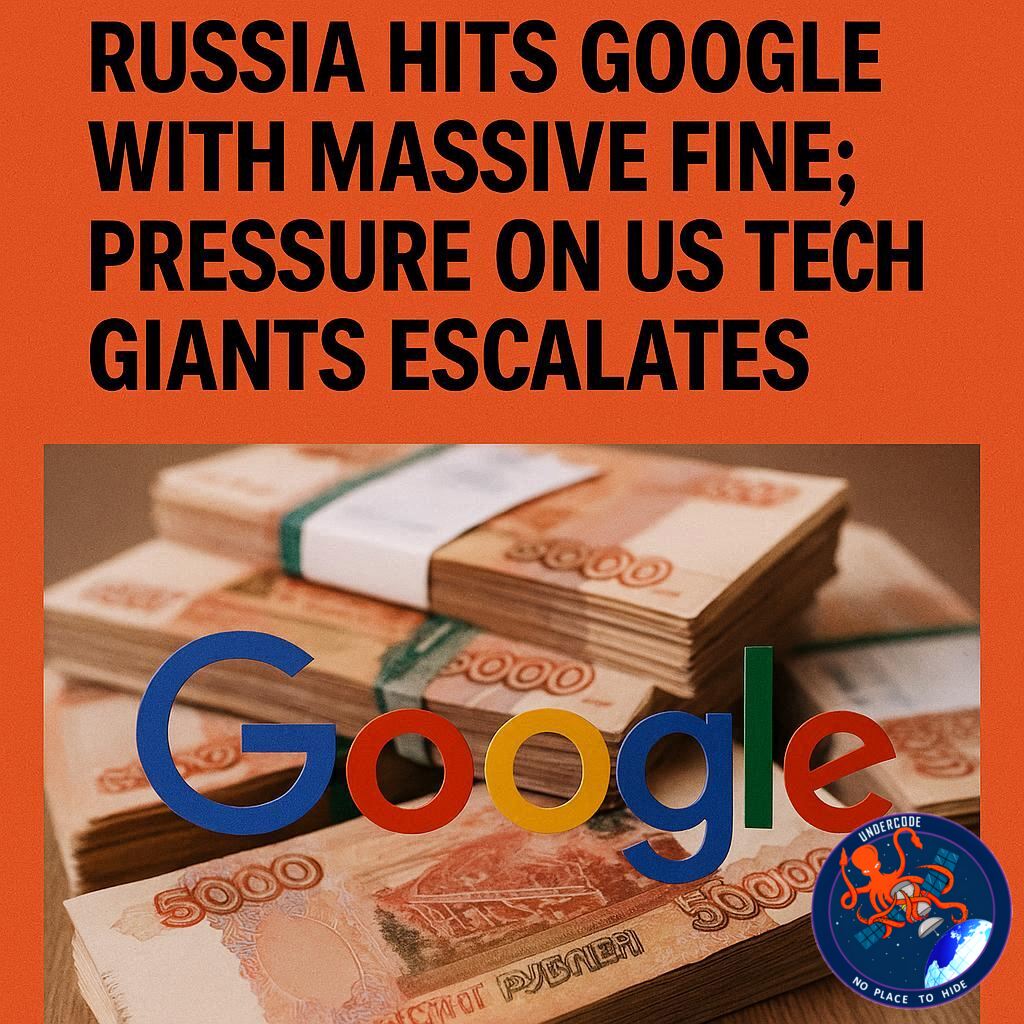
Tensions between global technology companies and national governments are intensifying, and Russia has just taken a bold step. In a move that signals stricter control over online platforms, the government led by Vladimir Putin has imposed a staggering financial penalty on Google. This development is part of a broader campaign targeting foreign tech firms, especially those based in the United States, as Russia pushes to enforce its internet regulations more aggressively.
Summary: Russia’s Crackdown on Big Tech Intensifies
A Moscow court has fined Google over N40.6 billion for failing to remove content deemed illegal under Russian law. Although authorities did not specify the exact nature of the content, the government has consistently demanded that platforms take down materials related to sensitive topics such as drug use and suicide. This fine marks one of the largest penalties imposed on a tech company in Russia and reflects a pattern of escalating enforcement.
The Kremlin has increasingly focused on US-based companies, accusing them of hosting content that interferes with domestic affairs or violates local regulations. Alongside Google, Meta Platforms and Twitter have also faced repeated fines. These penalties have reached millions of dollars and are often tied to claims of non-compliance with content moderation laws.
According to reports, the fine against Google was calculated as a percentage of its annual revenue, indicating a more aggressive approach toward repeat violations. Russian authorities have made it clear that companies failing to comply with their rules will face increasingly severe consequences. Google has responded cautiously, stating that it will review the court’s decision before determining its next steps.
Meanwhile, Meta was scheduled for a court hearing on similar charges, raising the possibility of further significant penalties. Twitter has already been fined multiple times, including a recent penalty of three million rubles. This coordinated pressure highlights Russia’s determination to assert control over digital platforms operating within its borders.
The crackdown is not entirely new. Over the past few years, Russia has justified its actions by citing the need to protect minors and combat extremism. However, critics argue that these measures are part of a broader strategy to regulate online discourse and limit foreign influence. This strategy includes the development of a so-called “sovereign internet,” designed to give the government greater control over the country’s digital infrastructure.
Interestingly, while facing regulatory challenges in Russia, Google continues to expand its influence in other regions. The company has launched initiatives such as “Google for Small Businesses” in Africa, aimed at supporting entrepreneurs and boosting economic recovery following the COVID-19 pandemic. This contrast highlights the complex role global tech companies play in different political and economic environments.
What Undercode Say: The Real Story Behind the Fine
Digital Sovereignty vs Global Platforms
At its core, this situation is less about a single fine and more about control. Russia is actively redefining what digital sovereignty means in a world dominated by global platforms like Google. By imposing revenue-based penalties, the government is sending a message that compliance is no longer optional but mandatory.
Revenue-Based Fines Change the Game
Traditional fines often fail to impact tech giants due to their vast financial resources. However, tying penalties to revenue introduces a scalable punishment model. This means the more successful a company is, the higher the financial risk it faces when violating local laws.
A Warning to Silicon Valley
This move is not isolated. It serves as a warning shot to all major US tech firms. Companies like Meta Platforms and Twitter are likely watching closely, knowing they could be next in line for similar penalties or stricter regulations.
The Rise of the Sovereign Internet
Russia’s push toward a sovereign internet represents a significant shift in how countries approach digital governance. Instead of relying on global infrastructure, nations are beginning to build self-contained systems that allow tighter control over information flow.
Content Moderation as a Political Tool
What qualifies as “illegal content” is often subjective and varies by country. In Russia’s case, these definitions can include politically sensitive material. This raises concerns about whether such regulations are genuinely about safety or about controlling narratives.
Impact on Users and Businesses
For everyday users, these actions could lead to reduced access to global platforms or altered online experiences. For businesses, especially those relying on digital tools, increased regulation could disrupt operations and limit innovation.
Strategic Timing Matters
The timing of these actions is also notable. As global tensions rise and digital influence becomes more critical, controlling online platforms becomes a strategic advantage. Russia appears to be positioning itself for greater autonomy in the digital space.
Google’s Global Dilemma
Google faces a complex challenge: comply with local laws and risk criticism for enabling censorship, or resist and face heavy penalties. This balancing act is becoming increasingly difficult as more countries adopt similar regulatory approaches.
A Broader Global Trend
Russia is not alone. Countries worldwide are exploring stricter regulations for tech companies. This suggests a future where the internet becomes more fragmented, with each region enforcing its own rules.
The Future of Internet Freedom
The long-term impact of these developments could reshape the internet as we know it. The idea of a borderless digital world is being replaced by a patchwork of controlled environments, each governed by national policies.
Fact Checker Results
✅ Russia did fine Google billions as part of content regulation enforcement.
✅ Multiple US tech companies including Meta and Twitter have faced similar penalties.
❌ The exact content leading to Google’s fine was not publicly disclosed.
Prediction
🔮 More countries will adopt revenue-based fines to control tech giants.
🔮 Global platforms may start creating region-specific versions of their services.
🔮 The internet will become increasingly fragmented, reducing its global uniformity.
🕵️📝✔️Let’s dive deep and fact‑check.
References:
Reported By: www.legit.ng
Extra Source Hub (Possible Sources for article):
https://www.quora.com/topic/Technology
Wikipedia
OpenAi & Undercode AI
Image Source:
Unsplash
Undercode AI DI v2
Bing
🔐JOIN OUR CYBER WORLD [ CVE News • HackMonitor • UndercodeNews ]
📢 Follow UndercodeNews & Stay Tuned:
𝕏 formerly Twitter 🐦 | @ Threads | 🔗 Linkedin | 🦋BlueSky | 🐘Mastodon


