
Listen to this Post
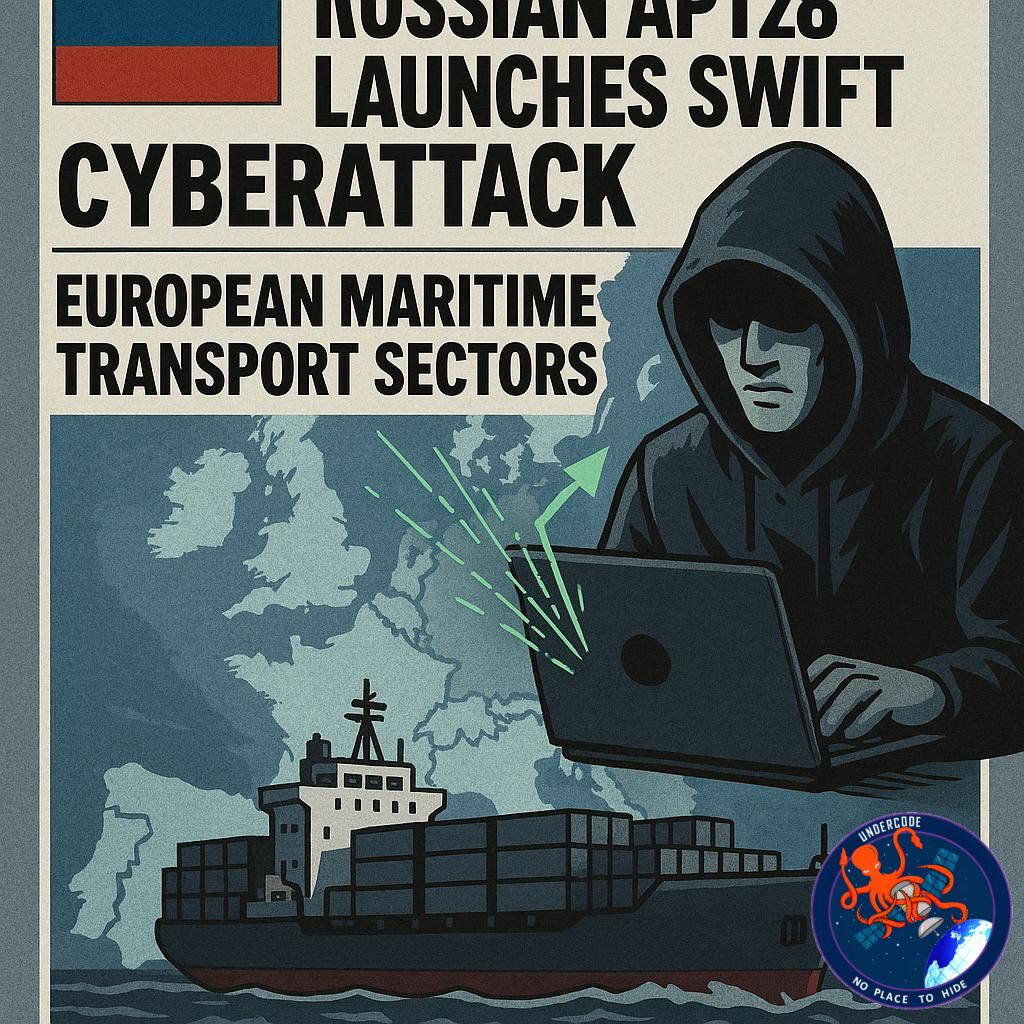
In a chilling display of cyber aggression, the notorious Russian-linked hacking group APT28 has launched a concentrated 72-hour attack targeting Europe’s maritime and transport infrastructure. Exploiting the recently disclosed Microsoft Office vulnerability CVE-2026-21509, the campaign leveraged sophisticated malware payloads including MiniDoor, PixyNetLoader, and the Covenant backdoor, distributed through the Filen cloud service. The attack underscores the increasing geopolitical focus on critical infrastructure and the persistent evolution of cyber threats in the transport sector.
APT28’s Targeted Offensive
According to reports from Cybersecurity News Everyday and research by hendryadrian.com, the operation exploited CVE-2026-21509, a vulnerability in Microsoft Office that allows remote code execution. Once compromised, systems were infected with MiniDoor, a stealthy malware tool designed to maintain persistent access, PixyNetLoader, a loader capable of downloading additional malicious payloads, and the Covenant backdoor, widely used in sophisticated espionage campaigns. The attack vector involved the Filen cloud platform, highlighting how legitimate cloud services are increasingly weaponized by state-sponsored actors.
Impact on Maritime and Transport Sectors
Europe’s maritime and transport sectors, which rely heavily on digital systems for navigation, scheduling, and logistics, faced potential disruptions. While there have been no confirmed large-scale operational shutdowns reported yet, the intrusion of such advanced persistent threats raises concerns about the integrity of shipping data, supply chain operations, and sensitive transport communications. Cybersecurity teams in multiple countries reportedly detected anomalous activity and launched countermeasures within hours.
Global Implications of the Campaign
This incident is not just a regional threat. Maritime transport is critical to global trade, and disruption could have far-reaching economic consequences. Moreover, the use of widely accessible cloud services to deploy malware signals a shift in APT28 tactics toward leveraging trusted platforms to bypass conventional network defenses. Analysts warn that the speed and precision of this 72-hour campaign reflect an alarming level of planning and coordination, suggesting that similar attacks could emerge in other sectors reliant on Microsoft Office infrastructure.
What Undercode Says:
Sophistication of APT28 Operations
APT28’s campaign illustrates the continued sophistication of Russian-linked cyber operations. By chaining multiple malware tools—MiniDoor for persistence, PixyNetLoader for delivery, and Covenant for control—the group demonstrates a multi-layered approach that is difficult to detect and remediate quickly. Organizations must now anticipate that attacks will increasingly use legitimate cloud platforms as delivery mechanisms.
Vulnerability Management Challenges
CVE-2026-21509 highlights a persistent problem: patch management and vulnerability disclosure timelines. Even well-prepared organizations often struggle to deploy patches across complex IT environments quickly, creating windows of opportunity for threat actors. Maritime and transport sectors, with older legacy systems integrated with modern software, are particularly vulnerable.
Strategic Targeting of Critical Infrastructure
The focus on transport and maritime sectors aligns with geopolitical objectives, potentially enabling espionage, data exfiltration, and disruption of supply chains. Attackers are not just seeking financial gain; they aim for strategic leverage. This campaign should serve as a wake-up call for national cybersecurity agencies and private operators to adopt proactive threat hunting and incident response plans.
Operational Response and Detection
Rapid detection by cybersecurity teams limited the immediate damage, but the campaign demonstrates that attackers can infiltrate critical systems in mere hours. Real-time monitoring, anomaly detection, and endpoint security measures are crucial. Organizations should also consider stricter segmentation of operational and administrative networks to contain malware spread.
Long-Term Implications for Cybersecurity Strategy
APT28’s methods suggest a trend toward high-speed, high-impact campaigns. Defensive strategies must evolve, emphasizing predictive threat modeling, threat intelligence sharing, and the rapid deployment of patches across interconnected systems. The maritime sector, due to its global nature and reliance on digital coordination, will likely remain a high-value target.
Fact Checker Results:
✅ Verified: APT28 is a known Russian-linked advanced persistent threat group.
✅ Verified: CVE-2026-21509 exists and affects Microsoft Office allowing remote code execution.
❌ Not verified: No confirmed reports of large-scale operational shutdowns in European maritime sectors.
📊 Prediction:
Given the pace and sophistication of this campaign, we predict APT28 or similar state-sponsored actors will continue exploiting cloud-based delivery vectors to target critical infrastructure. The maritime and transport sectors may face repeated intrusions unless patching, monitoring, and incident response capabilities are significantly strengthened. International coordination and real-time threat intelligence sharing will become increasingly crucial to mitigating these high-impact attacks.
🕵️📝✔️Let’s dive deep and fact‑check.
References:
Reported By: x.com
Extra Source Hub (Possible Sources for article):
https://www.github.com
Wikipedia
OpenAi & Undercode AI
Image Source:
Unsplash
Undercode AI DI v2
Bing
🔐JOIN OUR CYBER WORLD [ CVE News • HackMonitor • UndercodeNews ]
📢 Follow UndercodeNews & Stay Tuned:
𝕏 formerly Twitter 🐦 | @ Threads | 🔗 Linkedin | 🦋BlueSky | 🐘Mastodon


