
Listen to this Post
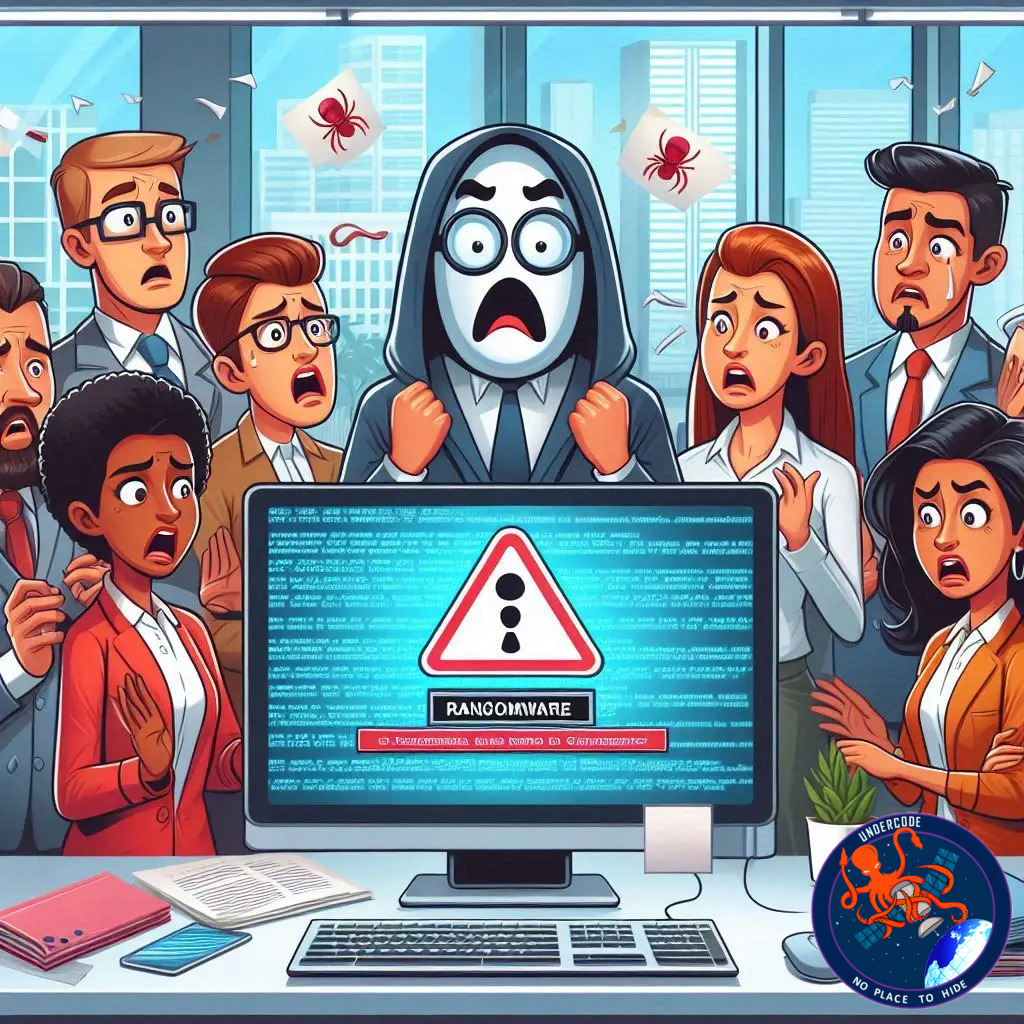
A major cybersecurity incident has hit the German financial sector as the ransomware group Safepay reportedly targeted Steuerberater-Scheerer, a tax consulting firm based in Schweinfurt, Bavaria. The attack, uncovered on December 5, 2025, has disrupted the firm’s operations, raising concerns about the growing threats to small and medium-sized enterprises in Germany’s financial landscape.
According to initial reports, Safepay, a ransomware group known for targeting financial and professional services, gained access to Steuerberater-Scheerer’s internal systems, potentially encrypting critical files and demanding a ransom for their release. While the full scope of the attack remains under investigation, the disruption has affected clients’ access to tax filing and consulting services, potentially delaying crucial financial operations ahead of the year-end reporting period. The incident underscores the vulnerability of smaller, specialized firms, which often lack the robust cybersecurity infrastructure of larger corporations, making them prime targets for financially motivated cybercriminals.
The attack also highlights a persistent trend in the ransomware landscape: targeting professional service providers, especially those handling sensitive client data. These firms are attractive targets because disruption directly impacts clients, increasing the likelihood of paying ransoms. Cybersecurity analysts suggest that attacks like these are rarely isolated incidents; they often indicate a broader campaign in the region or sector.
Steuerberater-Scheerer has reportedly alerted clients and is collaborating with cybersecurity specialists to mitigate damage, restore affected systems, and prevent further intrusion. Meanwhile, German authorities are investigating the attack to assess both the criminal aspect and potential regulatory implications, as firms managing personal financial data are under strict compliance obligations. This incident raises broader questions about the preparedness of SMEs and tax consulting firms in Europe against increasingly sophisticated cyber threats.
The Safepay attack follows a pattern seen across Germany and Europe, where ransomware groups increasingly exploit smaller organizations with limited defensive measures. As these attacks continue, firms are urged to invest in comprehensive cybersecurity strategies, including regular backups, employee training, and rapid incident response protocols. The consequences of delayed action can extend beyond immediate operational disruption, affecting reputational trust and client relationships in the long term.
What Undercode Say:
Safepay’s attack on Steuerberater-Scheerer is emblematic of a shifting ransomware strategy that focuses on niche, high-value targets rather than mass-scale attacks. Tax consulting firms, while small, handle critical financial data, making them lucrative and high-pressure targets. Unlike large corporations, these firms often underestimate the need for advanced security frameworks, relying on basic antivirus and firewall protections that are insufficient against modern ransomware tactics.
The timing of the attack, just as firms approach the peak of year-end financial obligations, suggests strategic planning by Safepay to maximize operational disruption and potential ransom payouts. Cybercriminals are increasingly sophisticated, leveraging social engineering, phishing campaigns, and exploiting outdated software to infiltrate systems. For firms like Steuerberater-Scheerer, even a short-lived breach can compromise client trust and trigger regulatory scrutiny under European data protection laws.
From a macro perspective, the rise of targeted ransomware indicates a maturation in cybercriminal operations. Groups like Safepay now conduct reconnaissance, identify the most critical systems, and tailor their attacks for maximum leverage. The German cybersecurity ecosystem, while robust at the national level, often leaves gaps at the SME scale. Smaller firms typically lack dedicated security operations centers (SOCs), threat intelligence monitoring, or rapid incident response teams, making them vulnerable to sophisticated threats.
The financial implications extend beyond ransom demands. Organizations affected by ransomware face potential lawsuits, regulatory fines, and long-term reputational damage. Clients whose sensitive financial data may have been exposed could initiate claims, and the firm’s inability to process critical filings could lead to penalties from tax authorities. The ripple effects are significant, particularly in highly regulated sectors.
Cybersecurity experts recommend that firms adopt layered defense strategies, combining preventive measures with active monitoring. This includes multi-factor authentication, continuous endpoint monitoring, employee cybersecurity awareness, and robust backup protocols. Rapid isolation of affected systems and forensic investigation are crucial in minimizing the impact of attacks. The Steuerberater-Scheerer incident should serve as a wake-up call across the financial services sector in Germany and Europe, signaling that no firm is too small to be a target.
Ransomware groups are also evolving in their operational tactics. Some now operate like professional service providers themselves, negotiating ransoms, conducting targeted pressure campaigns, and even maintaining technical support lines for victims, highlighting the professionalization of cybercrime. This “business-like” approach to cyber extortion amplifies the urgency for SMEs to build resilience, not only in technology but also in policies, communication plans, and legal preparedness.
The broader pattern suggests that the next wave of attacks will likely focus on clusters of SMEs within specific sectors, including financial consulting, healthcare, and logistics, where sensitive data is abundant and downtime is costly. Collaborative efforts between firms, cybersecurity vendors, and national authorities are increasingly essential to preempt such threats and strengthen sector-wide defenses.
Fact Checker Results:
✅ Safepay has claimed responsibility for the attack.
✅ Steuerberater-Scheerer’s services in Schweinfurt were disrupted.
❌ The full extent of data compromise has not yet been confirmed.
Prediction:
Ransomware attacks targeting specialized SMEs like tax firms will continue to rise in Germany. Expect more strategic, high-pressure campaigns timed to maximize operational disruption. Firms that fail to upgrade security protocols may face not only financial loss but also reputational damage and potential regulatory penalties. 🚨
🕵️📝✔️Let’s dive deep and fact‑check.
References:
Reported By: x.com
Extra Source Hub (Possible Sources for article):
https://www.stackexchange.com
Wikipedia
OpenAi & Undercode AI
Image Source:
Unsplash
Undercode AI DI v2
Bing
🔐JOIN OUR CYBER WORLD [ CVE News • HackMonitor • UndercodeNews ]
📢 Follow UndercodeNews & Stay Tuned:
𝕏 formerly Twitter 🐦 | @ Threads | 🔗 Linkedin | 🦋BlueSky | 🐘Mastodon


