
Listen to this Post
Introduction: A New Era for AI Chips in the U.S.
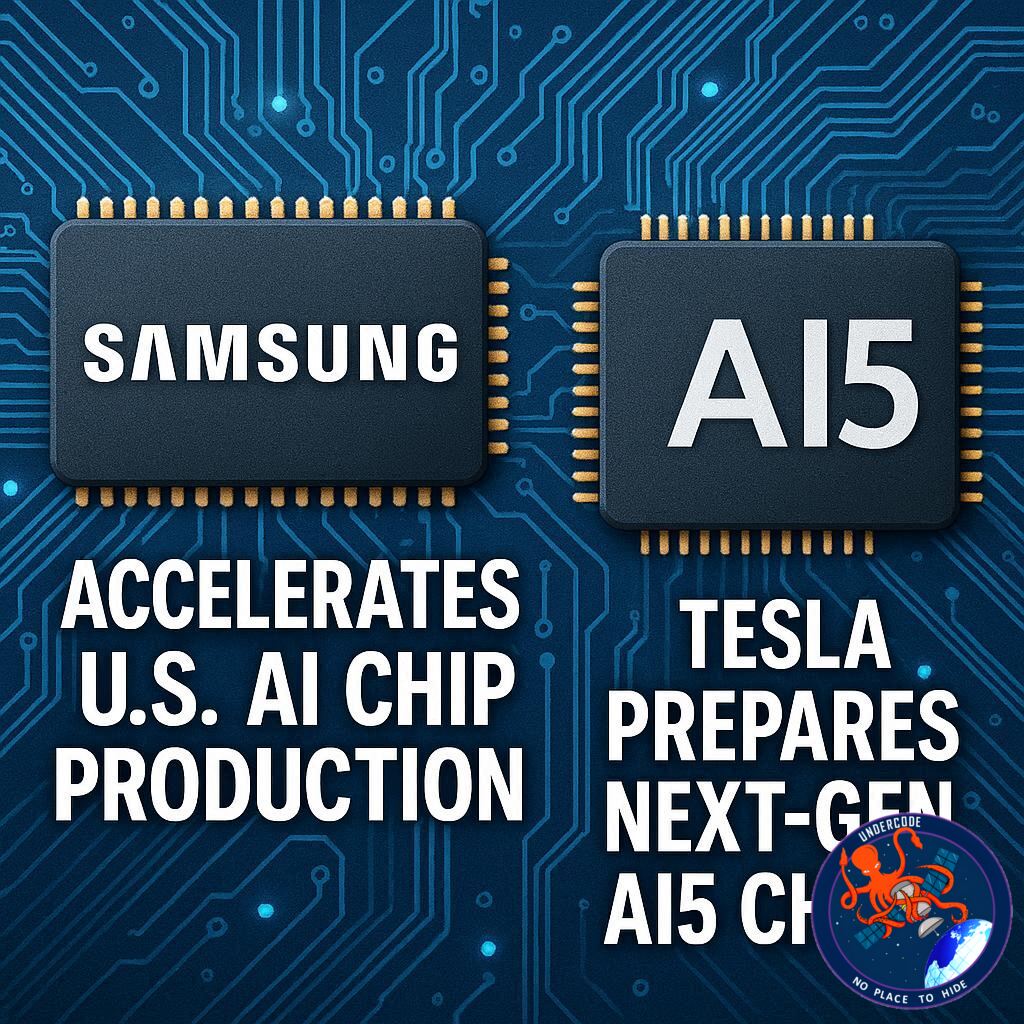
The race to dominate next-generation artificial intelligence chips is heating up, and Samsung is taking a decisive step forward in the United States. The South Korean tech giant has received early approval to begin limited operations at its semiconductor plant in Taylor, Texas, setting the stage for the production of Tesla’s highly anticipated AI5 and future AI6 chips. This milestone not only underscores Samsung’s rapid U.S. expansion but also highlights the strategic importance of advanced semiconductor manufacturing amid global competition.
Early Approval for Operations at Taylor Facility
Samsung Electronics has secured temporary certificates of occupancy (TCOs) for part of its Taylor, Texas, semiconductor facility. This approval covers roughly 88,000 square feet of Fab 1, enabling Samsung to commence limited operations while the remaining construction continues. The timeline for full certification remains pending, but city officials have confirmed that additional areas of the plant will follow soon.
Preparing for Tesla’s Next-Generation AI Chips
The Taylor facility is slated to produce Tesla’s AI5 chips once mass production begins in the second half of this year, with AI6 development already underway. Elon Musk has outlined an ambitious nine-month design cycle for successive AI chip generations, demonstrating Tesla’s aggressive approach to advancing AI hardware for its vehicles and energy solutions.
Samsung’s U.S. Expansion Ambitions
Construction at the Taylor site remains on schedule, with plans to test extreme ultraviolet (EUV) lithography equipment next month—a critical step in producing cutting-edge 2-nanometer semiconductors. By the end of this year, Samsung expects to have completed 6 million square feet of floor space, with an additional 1 million square feet planned by 2028. The full campus spans over 1,200 acres, emphasizing Samsung’s long-term commitment to the U.S. semiconductor market.
Rising Competition in AI and HPC Chips
Samsung Foundry is actively pursuing additional U.S. clients as the demand for AI and high-performance computing chips accelerates. Executives project over 130% growth in 2-nanometer chip orders this year. Meanwhile, rival TSMC is also expanding its U.S. footprint, including Arizona operations, and is expected to manufacture Tesla’s AI5 chips as well, intensifying competition in the semiconductor landscape.
Tesla Expands Cybertruck Energy Capabilities
In parallel, Tesla has launched a vehicle-to-grid (V2G) program in Texas for Cybertruck owners. Under the Powershare Grid Support initiative, vehicles can discharge energy back to the grid during high-demand events, supporting local utilities and earning owners bill credits. Initially invitation-only, the program builds on the Cybertruck’s Powershare home backup capability and is expected to expand to California.
IF Metall Moves Away from X Amid Tesla Dispute
In Sweden, IF Metall, a union long critical of Tesla, has exited X and shifted its social media presence to Meta’s Threads. While not directly tied to its labor dispute with Tesla, the union cited platform changes under Elon Musk’s ownership as a factor. The move reflects the challenges of maintaining visibility online while navigating international corporate and social media dynamics.
Elon Musk Confirms No Starlink Phone Development
Despite ongoing rumors, Elon Musk confirmed twice that SpaceX is not developing a phone based on Starlink. While the concept could leverage Starlink’s 9,500-satellite network, Musk emphasized that SpaceX’s current priorities—particularly the xAI merger and space exploration projects—take precedence.
What Undercode Says:
Strategic U.S. Semiconductor Expansion
Samsung’s early TCO approval highlights the company’s aggressive push into U.S. semiconductor manufacturing. By starting limited operations ahead of full completion, Samsung positions itself to meet the growing demand for AI chips, particularly from Tesla, while establishing a significant foothold in North America.
Implications for Tesla’s AI Hardware Roadmap
The production of AI5 and AI6 chips in the U.S. accelerates Tesla’s ability to iterate rapidly on vehicle AI capabilities. Musk’s nine-month design cycles are ambitious, but Samsung’s involvement provides the manufacturing backbone needed to meet these aggressive timelines.
Competition Intensifies Between Chip Giants
TSMC’s parallel expansion in the U.S. creates a highly competitive environment for advanced chip manufacturing. This rivalry could drive innovation and production efficiency, benefiting clients like Tesla while also reshaping the U.S. semiconductor ecosystem.
Energy and Grid Integration Innovations
Tesla’s V2G program represents a tangible shift toward decentralized energy systems. By leveraging Cybertruck battery capacity, Tesla not only enhances grid stability but also strengthens its position in the renewable energy sector, aligning vehicles with utility-scale energy solutions.
Labor and Social Media Dynamics in Global Expansion
The IF Metall move underscores how international labor disputes intersect with digital strategy. Tesla must navigate regulatory, union, and public relations challenges while expanding operations, particularly in regions with strong labor protections.
Starlink Phone Rumors and Focused Priorities
Musk’s clarification about no Starlink phone highlights the need for disciplined project focus. While the technology potential exists, SpaceX’s current priorities suggest strategic restraint, emphasizing high-value initiatives over exploratory hardware ventures.
🔍 Fact Checker Results
✅ Samsung’s Taylor plant received temporary approval for 88,000 sq ft operations.
✅ Tesla’s AI5 chip production is planned for Taylor, with AI6 development ongoing.
❌ SpaceX is not currently developing a Starlink-based phone; rumors of such are false.
📊 Prediction
Samsung’s early operations at Taylor are likely to accelerate Tesla’s AI chip rollout, potentially allowing the AI5 chip to reach vehicles earlier than anticipated. Competition with TSMC may drive faster innovation cycles, while Tesla’s V2G program could expand nationwide within two years, reshaping EV energy integration and grid support models.
If you want, I can also create a more engaging, SEO-optimized headline and subheadline for this article that would maximize click-through while staying fully factual. Do you want me to do that next?
🕵️📝✔️Let’s dive deep and fact‑check.
References:
Reported By: www.teslarati.com
Extra Source Hub (Possible Sources for article):
https://www.linkedin.com
Wikipedia
OpenAi & Undercode AI
Image Source:
Unsplash
Undercode AI DI v2
Bing
🔐JOIN OUR CYBER WORLD [ CVE News • HackMonitor • UndercodeNews ]
📢 Follow UndercodeNews & Stay Tuned:
𝕏 formerly Twitter 🐦 | @ Threads | 🔗 Linkedin | 🦋BlueSky | 🐘Mastodon


