
Listen to this Post
Introduction
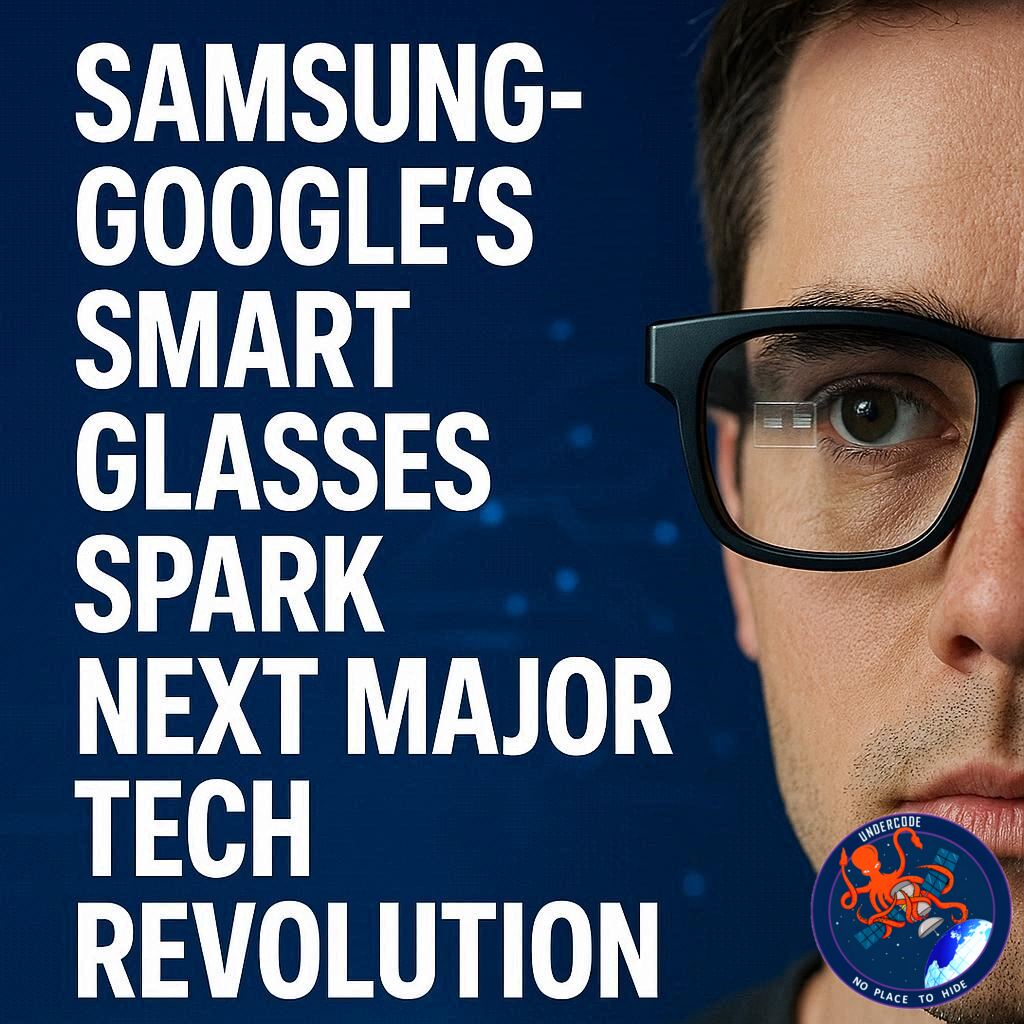
The race to dominate the future of wearable technology is accelerating rapidly, and smart glasses are now emerging as one of the industry’s most important battlegrounds. During Google I/O 2026, Google officially introduced its new intelligent eyewear platform developed in collaboration with Samsung and Qualcomm, alongside fashion-focused eyewear brands Warby Parker and Gentle Monster.
The announcement signals a major shift in how tech giants view wearable computing. For years, smart glasses remained a niche product category with limited mainstream success. However, advances in artificial intelligence, lightweight hardware, voice assistants, augmented reality, and battery optimization are finally pushing the technology closer to mass-market adoption.
Samsung’s involvement is especially important because the company is simultaneously preparing its own Galaxy-branded smart glasses while also partnering with Google on a shared ecosystem. Analysts now believe 2026 could become the breakout year for AI-powered eyewear, with millions of units expected to ship globally.
The growing competition between Meta, Google, Samsung, and other tech companies suggests the smart glasses market may soon become as competitive as the smartphone industry itself. Fashion partnerships, AI integration, and seamless connectivity are expected to determine which companies win over consumers in this next-generation wearable market.
Google and Samsung Enter the Smart Glasses Battle
Google officially unveiled its new intelligent smart glasses during I/O 2026, introducing a product developed with support from Samsung and Qualcomm. The initiative also includes collaborations with popular eyewear brands Warby Parker and Gentle Monster, highlighting a strong focus on combining technology with stylish design.
Unlike earlier generations of smart glasses that often looked bulky or experimental, this new generation aims to blend naturally into everyday fashion. That strategy could become one of the key reasons for broader consumer adoption.
Industry forecasts already suggest strong momentum. Smart Analytics Global predicts the smart glasses sector could grow by 85% year-over-year during 2026, reaching more than 15 million units shipped worldwide. This would represent a major turning point for a category that has spent years stuck in early adoption phases.
Meta currently dominates the market thanks to its Ray-Ban smart glasses partnership, giving the company a significant first-mover advantage. Analysts estimate Meta could finish 2026 holding approximately 64% of the global smart glasses market.
However, Google and Samsung are expected to emerge as the strongest challengers. Their collaborative smart glasses alone may ship around 2 million units this year, potentially securing nearly 18% market share. The combination of Android ecosystem integration, AI-powered features, and premium fashion branding could make the product attractive to mainstream consumers.
Samsung is not stopping there. Reports indicate the company is also preparing to launch its own Galaxy-branded smart glasses later this year. By pursuing both independent hardware development and strategic partnerships with Google, Samsung is positioning itself to become one of the most influential players in the wearable AI ecosystem.
This dual strategy may allow Samsung to expand its reach far beyond smartphones, tablets, and smartwatches. If successful, the company could establish itself as a dominant force in next-generation wearable computing before competitors fully catch up.
What Undercode Says:
Smart Glasses Are Following the Same Path Smartphones Once Took
The smart glasses market today resembles the smartphone market during its early experimental years. Companies are still searching for the perfect balance between functionality, comfort, battery life, privacy, and fashion. The difference is that artificial intelligence now gives these devices a much clearer purpose than earlier wearable attempts ever had.
AI assistants integrated directly into eyewear can fundamentally change how users interact with information. Real-time translations, navigation overlays, contextual notifications, voice-driven search, and live visual recognition could make smartphones less central over time.
Samsung’s partnership with Google is strategically smart because it reduces development risks while accelerating ecosystem maturity. Instead of building an entirely isolated platform, Samsung benefits from Google’s AI infrastructure and Android ecosystem while focusing on hardware optimization and manufacturing scale.
Fashion partnerships may actually become more important than raw technical specifications. One of the biggest reasons earlier smart glasses struggled was social acceptance. Consumers refused to wear devices that looked unnatural or overly futuristic. Working with brands like Warby Parker and Gentle Monster addresses that weakness directly.
Meta’s dominance proves there is already a real consumer market for wearable AI products. However, Meta’s current lead may not be permanent. Samsung and Google possess enormous advantages in software ecosystems, app integration, and global hardware distribution channels.
Another critical factor is ecosystem connectivity. Smart glasses will likely function best when deeply integrated with smartphones, smartwatches, earbuds, cloud AI systems, and productivity tools. Samsung already controls many of these product categories, giving it a potential long-term advantage over standalone competitors.
There is also a broader industry transition occurring behind the scenes. Tech companies increasingly believe future computing interfaces will move beyond handheld devices. Smart glasses represent an early step toward ambient computing, where digital interactions happen naturally within the user’s environment instead of through screens held in the hand.
Battery efficiency and processing power remain major technical challenges. Consumers expect lightweight products that last all day while supporting advanced AI functions. Achieving that balance will determine whether smart glasses remain premium gadgets or become truly mainstream devices.
Privacy concerns could also slow adoption. Always-on cameras and microphones continue to generate consumer anxiety, especially in public environments. Companies entering this market must carefully balance convenience with transparency and user control.
Pricing will be another decisive factor. If Samsung and Google position their products too aggressively in premium pricing tiers, adoption may remain limited to tech enthusiasts. More affordable models could accelerate mainstream acceptance significantly faster.
The market may eventually split into multiple categories: lightweight AI assistant glasses, entertainment-focused AR glasses, professional productivity eyewear, and full augmented reality headsets. Samsung’s broad product strategy could allow it to participate in all of these segments simultaneously.
Developers will play a major role in determining long-term success. Strong application ecosystems transformed smartphones into essential tools, and the same pattern will likely repeat with smart glasses. The companies that attract developers earliest may dominate the market later.
Another advantage for Samsung is its manufacturing scale. Few companies can mass-produce advanced wearable hardware at global levels while maintaining supply chain efficiency. This gives Samsung leverage once demand increases rapidly.
The involvement of Qualcomm is also significant. Efficient wearable chipsets optimized for AI workloads are essential for making smart glasses practical for everyday use. Without major improvements in low-power processing, adoption would likely stagnate.
Ultimately, 2026 may become remembered as the year smart glasses finally evolved from experimental gadgets into a legitimate consumer technology category. The competition between Meta, Google, Apple, and Samsung could define the next decade of wearable computing.
🔍 Fact Checker Results
✅ Google introduced AI-powered smart glasses during I/O 2026 alongside Samsung and Qualcomm partnerships.
✅ Market analysts currently predict strong shipment growth for smart glasses throughout 2026, with Meta still leading the sector.
❌ There is no confirmed evidence yet that smart glasses will replace smartphones entirely in the near future; this remains industry speculation.
📊 Prediction
The smart glasses market is likely to experience explosive growth between 2026 and 2029 as AI becomes more deeply integrated into wearable devices. Samsung could emerge as one of the top two global players if its Galaxy smart glasses successfully combine fashion, battery efficiency, and seamless ecosystem integration.
Meta may maintain leadership in the short term, but Google and Samsung’s combined ecosystem strength could eventually shift market dominance. Within the next five years, smart glasses may become as common as smartwatches are today, especially among younger consumers and professionals seeking hands-free AI assistance.
🕵️📝Let’s dive deep and fact‑check.
References:
Reported By: www.sammobile.com
Extra Source Hub (Possible Sources for article):
https://www.facebook.com
Wikipedia
OpenAi & Undercode AI
Image Source:
Unsplash
Undercode AI DI v2
Bing
🔐JOIN OUR CYBER WORLD [ CVE News • HackMonitor • UndercodeNews ]
📢 Follow UndercodeNews & Stay Tuned:
𝕏 formerly Twitter 🐦 | @ Threads | 🔗 Linkedin | 🦋BlueSky | 🐘Mastodon | 📺Youtube


