
Listen to this Post
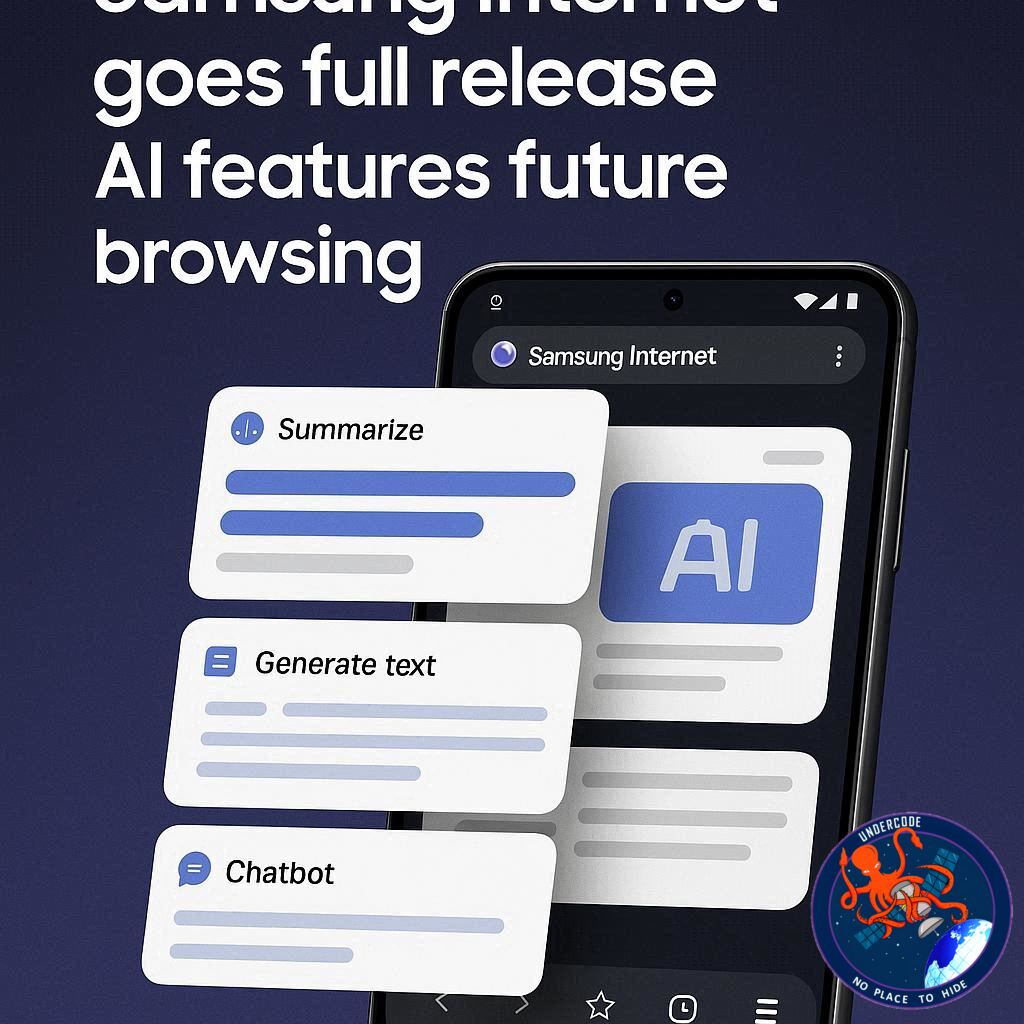
Samsung has officially taken its Windows browser out of beta, marking a major step in unifying its ecosystem across devices. The newly stable Samsung Browser for Windows now brings advanced AI features, cross-device continuity, and enhanced productivity tools to PCs worldwide. With this release, Samsung aims to make browsing smarter, more connected, and far more intuitive than ever before.
Samsung Browser Exits Beta: Key Updates
Samsung has renamed its web browser on Windows from “Samsung Internet” to Samsung Browser, following the branding change on Galaxy phones and tablets. The stable version, 30.0.0.95, is now available globally for computers running Windows 10 (version 1809 or later) and Windows 11. Previously limited to select regions, the browser’s worldwide availability signals Samsung’s commitment to offering a unified cross-platform experience.
Cross-Device Continuity and Seamless Integration
One of the standout features of Samsung Browser is its cross-device continuity. Users can start browsing on a Galaxy phone and seamlessly continue on their Windows PC without losing their place. This functionality requires a Samsung account to sync bookmarks, browsing history, and active tabs. By making transitions between devices effortless, Samsung is stepping up the convenience factor for users entrenched in its ecosystem.
Agentic AI Capabilities Powered by Perplexity
The browser integrates agentic AI features, including natural language understanding and multi-tab information synthesis. Users can ask the browser to create travel plans, summarize web pages, or translate content without leaving the current session. A split-view interface provides instant AI assistance, helping users manage tasks more efficiently. This AI functionality also extends to video content, allowing Samsung Browser to locate specific segments based on queries, saving time otherwise spent scrubbing through content manually.
Enhanced Productivity Tools
Samsung Browser’s integration with Samsung Notes allows for quick note-taking, while Samsung Pass ensures seamless autofill for logins and payment information. By combining productivity tools with AI assistance, the browser positions itself as more than just a web navigator—it becomes a personal digital assistant embedded directly into your browsing experience.
What Undercode Says:
AI-Driven Browsing is a Game-Changer
Samsung Browser’s agentic AI integration represents a shift in how browsers interact with users. Unlike conventional browsers, this approach allows users to delegate tasks, summarize data, and even extract insights across multiple tabs, essentially turning browsing into an intelligent, context-aware activity.
Cross-Device Ecosystem Advantage
Samsung’s cross-device syncing is a significant advantage for users who own multiple Samsung devices. While Apple has Continuity and Microsoft offers Edge syncing, Samsung’s AI-assisted workflow makes transitions smoother by actively assisting users rather than passively syncing content.
Productivity Boost for Professionals
For professionals, this browser offers measurable productivity gains. The combination of note-taking, automated summarization, and video segment search reduces the cognitive load of multitasking. Samsung is clearly targeting knowledge workers and frequent web researchers who need faster, AI-driven assistance.
Potential Privacy Concerns
While AI capabilities are impressive, they come with privacy trade-offs. Natural language querying and multi-tab analysis mean the browser processes extensive user data. Samsung must ensure end-to-end encryption and transparency to gain user trust.
Global Expansion Signals Ambition
Making Samsung Browser available globally shows the company’s intent to compete seriously with Chrome, Edge, and Firefox. AI integration differentiates it from competitors, potentially attracting users who prioritize smart functionality over sheer speed.
Future Implications for Web Browsing
If Samsung continues to enhance its AI capabilities, we may see a new class of browsers that act less like tools and more like digital assistants. Browsing could evolve from passive content consumption to interactive, task-oriented workflows.
Integration with Existing Samsung Ecosystem
Samsung Browser is designed to leverage the company’s existing services like Samsung Notes and Samsung Pass. This ecosystem-centric strategy could increase brand loyalty by offering users value beyond basic browsing.
AI in Multimedia Interaction
The ability to search videos using natural language could transform video learning, content creation, and entertainment consumption. Users no longer need to manually locate content, saving time and improving accessibility.
Competitive Analysis
Compared with Chrome and Edge, Samsung Browser’s AI features are unique. While competitors are experimenting with AI plugins, Samsung has fully integrated agentic AI directly into the core browser experience. This could set a precedent for the next generation of intelligent browsers.
User Experience Considerations
The UI remains familiar to Windows users, but the AI split-view and integrated tools may require a learning curve. Samsung must balance sophistication with simplicity to appeal to mainstream audiences.
Monetization and Affiliate Opportunities
With AI-driven recommendations and autofill capabilities, Samsung Browser could become a powerful platform for e-commerce, travel planning, and content monetization. This creates potential revenue streams beyond traditional advertising.
Future Device Expansion
The browser’s AI capabilities could extend to future Samsung devices, including tablets and laptops, making it a core part of Samsung’s hardware ecosystem. This aligns with the company’s long-term vision for device interconnectivity.
Overall Strategic Outlook
Samsung Browser for Windows is not just another browser; it’s a strategic move to cement Samsung as a major player in AI-driven productivity. By leveraging cross-device sync, integrated tools, and agentic AI, Samsung is redefining the browsing experience for 2026 and beyond.
🔍 Fact Checker Results
✅ Samsung Browser version 30.0.0.95 is now stable for Windows 10 and 11 globally.
✅ Cross-device sync and AI features are officially supported by Samsung.
❌ Some claims of “full video context understanding” may be exaggerated; AI assistance is still limited by current algorithms.
📊 Prediction
Samsung Browser’s AI-driven capabilities could redefine browsing in the next 2–3 years. Users may increasingly expect browsers to act as intelligent assistants rather than passive tools. The integration of productivity features, cross-device continuity, and natural language AI may encourage adoption among professionals and tech enthusiasts, potentially challenging Edge and Chrome in niche markets. Samsung’s ecosystem advantage, coupled with AI, positions it to capture a growing segment of users looking for smarter, more connected browsing experiences.
🕵️📝✔️Let’s dive deep and fact‑check.
References:
Reported By: www.sammobile.com
Extra Source Hub (Possible Sources for article):
https://www.github.com
Wikipedia
OpenAi & Undercode AI
Image Source:
Unsplash
Undercode AI DI v2
Bing
🔐JOIN OUR CYBER WORLD [ CVE News • HackMonitor • UndercodeNews ]
📢 Follow UndercodeNews & Stay Tuned:
𝕏 formerly Twitter 🐦 | @ Threads | 🔗 Linkedin | 🦋BlueSky | 🐘Mastodon


